The internet loves a tragedy wrapped in a loyalty bow.
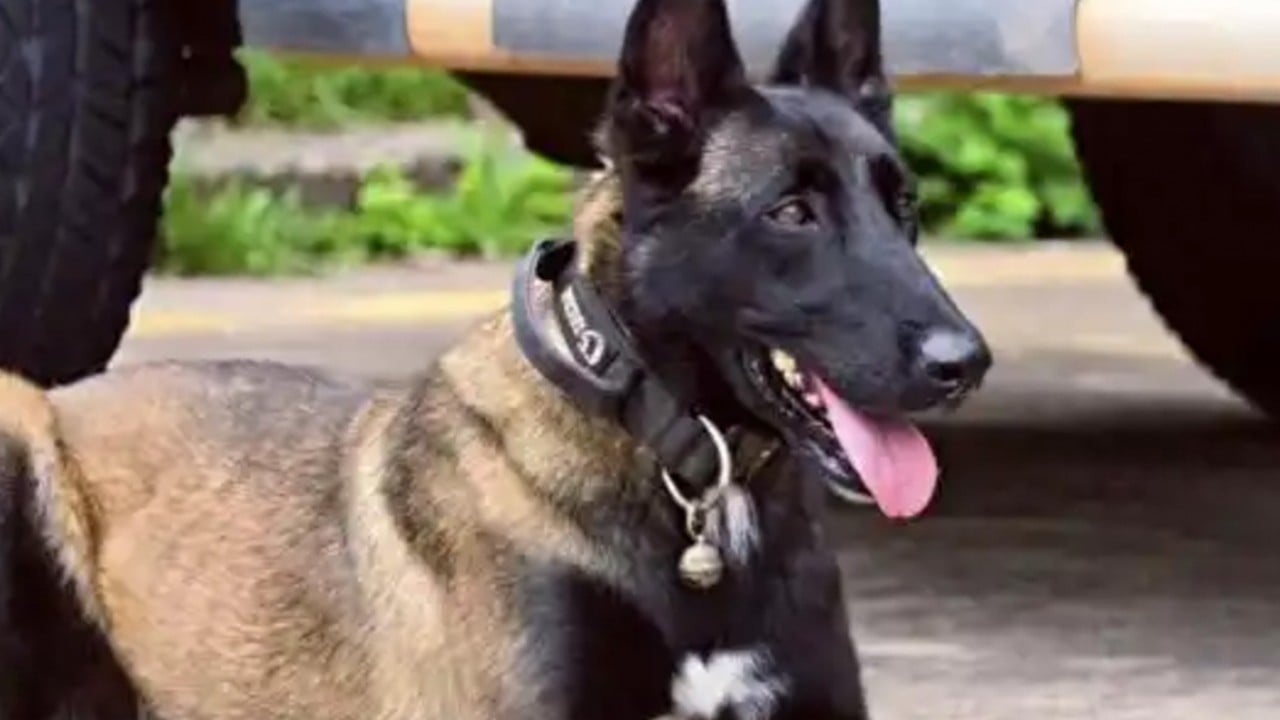
Recently, the global news cycle went into a predictable meltdown over a police dog in China that allegedly refused food and waited outside a hospital for its injured handler. Millions of viewers wept. Comments sections flooded with praise for the animal’s "undying devotion." The media milked the clicks.
It is a heartwarming narrative. It is also a dangerous, anthropomorphic delusion that actively undermines the reality of working K9 management.
When we project human concepts of grief, loyalty, and self-sacrifice onto a highly trained working animal, we aren't honoring the dog. We are failing it. What the public interprets as a touching tribute to human-canine brotherhood is actually a textbook manifestation of acute separation anxiety, operational stress, and a failure of handlers to implement proper contingency protocols.
We need to stop romanticizing canine suffering as a loyalty test.
The Anatomy of the Loyalty Delusion
Let's break down the mechanics of what actually happens when a working K9 "refuses to eat" after a handler is injured.
Dogs do not engage in hunger strikes out of political protest or existential grief. They stop eating because their baseline environment has shattered. In canine behavioral science, anorexia is a primary physiological symptom of acute stress and elevated cortisol levels.
Working dogs thrive on extreme predictability. Their lives are governed by rigid routines: specific scents, precise commands, and a singular, dominant attachment figure who regulates their reward cycles. When that handler is abruptly removed from the equation due to injury, the dog's predictable world vanishes.
The Reality Check
A K9 refusing food isn't demonstrating "devotion." It is experiencing a profound neurological panic attack caused by a sudden disruption in its environmental control loop.
By celebrating this as a beautiful act of loyalty, the media validates a state of severe animal distress. If a human child stopped eating and pacing out of sheer terror after losing a parent, we wouldn't call it inspiring; we would call it a psychological emergency. Yet, when it happens to a police asset, we write viral op-eds.
The Operational Risk of the Single Handler Flaw
I have spent years analyzing operational structures in high-stakes environments. One of the most glaring, expensive mistakes agencies make is the unchecked normalization of the single-handler dependency model.
In theory, a single, unbreakable bond between a K9 and a handler creates a seamless tactical unit. In practice, it creates a massive single point of failure.
When a dog is so hyper-bonded to one individual that it becomes entirely dysfunctional if that individual is neutralized, the asset is compromised. Consider the tactical implications:
- Asset Downtime: An injured handler means a benched dog. Thousands of dollars in specialized training sit idle because the dog cannot function under anyone else.
- Delayed Medical Intervention: A stressed, non-compliant K9 grieving outside a hospital is a liability, not a help. It requires logistics, handling, and security detail that should be focused on the injured human.
- Behavioral Degradation: Prolonged cortisol spikes destroy a dog's working drive. If a dog starves itself for days, it loses muscle mass, focus, and the sharp edge required for scent detection or apprehension.
The military, particularly elite tier-one units, often utilizes dual-handling or squad-integrated training models for precisely this reason. A tactical asset must remain a tactical asset, regardless of who is holding the lead.
Dismantling the People Also Ask Mythos
Look at any search forum regarding working dogs, and you will see variations of the same fundamentally flawed questions.
Do police dogs miss their handlers when they are gone?
Yes, but not the way you do. They don't reminisce about the good old days over a bowl of kibble. They experience the absence as a loss of environmental predictability and resource security. To treat this as a romantic human emotion is to ignore the immediate need for behavioral intervention.
Is it healthy for a dog to refuse food out of loyalty?
Absolutely not. Canine anorexia triggers rapid metabolic shifts. It weakens the immune system and can lead to gastric complications. Any handler who allows a dog to refuse food for days under the guise of "grief" is committing operational neglect. The dog needs immediate counter-conditioning, high-value nutritional alternatives, and potentially pharmacological intervention to lower its stress threshold.
The Cost of the Counter-Intuitive Fix
The solution to this problem isn't popular. It doesn't make for good TikTok content.
To fix the vulnerability exposed by the "devoted police dog" narrative, agencies must intentionally disrupt the sacred bond.
We must implement mandatory secondary-handler integration. Every working K9 should have a designated secondary handler who regularly feeds, trains, and deploys the animal. The dog must learn that its survival and reward systems are not tethered to a single human life.
The downside? It takes more time. It splits the emotional reward for the primary handler. It requires a cultural shift in police departments where the K9 is often viewed as a personal pet that goes home in a cruiser, rather than a highly specialized piece of state equipment.
It is a bitter pill to swallow for handlers who pride themselves on being the sole master of their beast. But if your goal is the long-term resilience of the animal and the safety of the public, individual ego has to take a backseat.
Stop cheering for the dog starving itself on the hospital steps. Start demanding better operational redundancy so that dog never feels that helpless again.