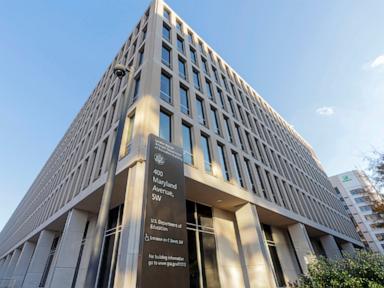
The U.S. Department of Education just pulled the rug out from under six decades of civil rights enforcement in American schools.
On July 23, 2026, federal officials officially wiped out longstanding "disparate impact" provisions under Title VI of the Civil Rights Act of 1964. By removing these rules from Title 34, Part 100 of the Code of Federal Regulations, the government effectively changed the rules of engagement for school discrimination.
For more than 50 years, federal oversight didn't require proof of open racism or explicit malice to intervene in a school district. If a school policy was neutral on paper but disproportionately hurt students of color in practice without a solid educational reason, civil rights investigators could step in.
That safety net is officially gone.
Now, federal investigators will only act if you can prove direct, intentional discrimination. The shift radically alters how discipline policies, advanced placement enrollment, and funding allocations are monitored across thousands of public school districts nationwide.
What Disparate Impact Actually Means on the Ground
To understand why this regulatory shift is triggering massive pushback, you have to look at how civil rights enforcement worked in real classrooms.
Disparate impact was never about alleging that every school administrator was secretly racist. It was about outcome data.
Under the old rules, if a district suspended Black or Latino students at three times the rate of white students for vague infractions like "defiance" or "disruption," civil rights groups could trigger an Office for Civil Rights (OCR) investigation. The school district then had to demonstrate two things:
- The discipline policy served a legitimate educational objective.
- There was no alternative policy available that achieved the same safety goals with less disproportionate harm.
If the district couldn't prove that, they had to modify the policy.
The system operated on a simple legal logic. Unjustified barriers that exclude specific demographic groups create the exact same damage whether they were crafted with bad intentions or sheer carelessness. Removing disparate impact liability means that if a policy isn't explicitly racist on its face, the federal government won't force a district to fix it.
The Legal Maneuver Behind the Sudden Regulatory Wipeout
This wasn't a standard policy tweak that spent months winding through open town halls and public comment periods.
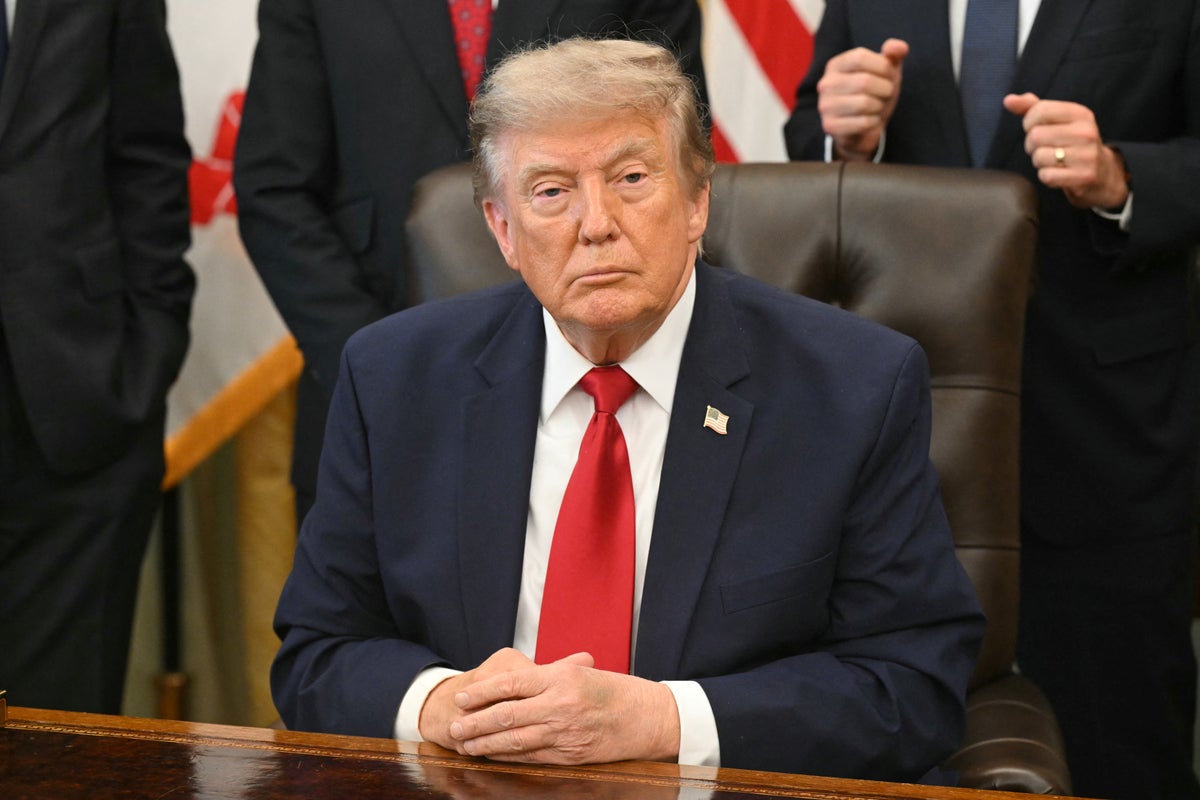
The Education Department pushed the rescission through without public comment, allowing it to take effect immediately upon publication in the Federal Register. The move flows directly from Executive Order 14281, signed by President Trump in April 2025, which mandated the elimination of disparate-impact analysis across all federal agencies.
The Department of Justice had already laid the groundwork in late 2025 by stripping disparate impact from its own Title VI framework. Following suit, Assistant Secretary for Civil Rights Kimberly Richey framed the Education Department's action as a necessary course correction.
The administration argues that federal civil rights enforcement had morphed into an aggressive quota system. Department officials claimed that school administrators were being forced into "racial balancing" and altering discipline numbers purely to dodge federal lawsuits, rather than keeping classrooms safe.
By restricting Title VI enforcement to explicit discriminatory intent, federal officials argue they're returning to the original statutory text passed by Congress in 1964. In their view, teachers and principals should be free to manage classroom misconduct without fearing that statistical variances will trigger federal civil rights probes.
Why Intentional Discrimination Is Almost Impossible to Prove
Civil rights lawyers and policy experts are deeply worried, and for good reason.
Proving intentional discrimination in a courtroom or federal administrative hearing is famously difficult. School officials rarely write down or verbally admit that they are treating a student differently because of their race.
Catherine E. Lhamon, who led the Office for Civil Rights under two previous presidential administrations, pointed out the core flaw with this new standard. Without disparate impact, systemic inequities become almost invisible under federal law.
Consider a common scenario:
- A school district implements a policy requiring a teacher recommendation to enter gifted and talented programs.
- Statistical data over five years shows that qualified minority students are recommended at a fraction of the rate of their white peers.
- Under the new enforcement standard, unless an affected family can produce smoking-gun evidence—like text messages or emails demonstrating conscious racial bias by educators—the federal government will not intervene.
Michael Pillera, director of the Educational Opportunities Project at the Lawyers' Committee for Civil Rights Under Law, noted that removing this oversight gives districts a green light to ignore systemic red flags. If school boards know that severe disparities won't trigger federal scrutiny, there's little incentive to spend time and resources auditing their internal practices.
The Broad Impact Beyond School Discipline
While media coverage often focuses on suspensions and expulsions, the elimination of disparate impact reaches far into other areas of education.
Career and technical education (CTE) programs, specialized STEM academies, and magnet school admissions processes routinely used disparate impact analysis to evaluate fairness.
For instance, standardized testing cutoffs or prerequisite course requirements that screened out disproportionate numbers of minority applicants without measuring actual potential were regularly reviewed under disparate impact standards. The Education Department's rule change explicitly removed these protections across vocational and technical training frameworks as well.
Here is how key educational areas are affected by the regulatory change:
Advanced Academics and Gifted Track Access
Districts frequently used disparate impact evaluations to reform identification procedures for advanced courses. Without federal pressure to review screening methods, existing racial gaps in advanced placement enrollment will likely widen and persist unchecked.
Special Education Placements
Historically, Black male students have been overidentified for emotional disturbance categories at disproportionately high rates, often leading to segregated learning environments. Disparate impact allowed federal oversight without needing to prove malicious intent by diagnostic teams.
School Resource Officers and Policing
Policies that automatically direct minor classroom misconduct to campus police officers create distinct pipelines into the juvenile justice system. Federal investigations previously forced districts to reconsider zero-tolerance policies that disproportionately affected specific demographic groups. Now, those referral patterns are largely exempt from Title VI reviews.
What Happens Next for School Districts and Parents
Federal enforcement has shifted dramatically, but the legal fight is nowhere near over.
Over 60 civil rights organizations signed a joint letter condemning the Education Department's sudden regulatory shift, calling it a complete abandonment of civil rights protections. Lawsuits challenging the administrative procedure and the legal validity of the rule change are already hitting federal court dockets.
If you're an educator, school board member, or parent trying to figure out what this policy change actually means for your local district, keep these immediate realities in mind:
State Laws Still Apply
The federal rule change alters Title VI enforcement at the U.S. Department of Education, but it does not invalidate state-level civil rights laws. Several states have explicit statutory prohibitions against policies that create discriminatory outcomes, meaning local school districts in those jurisdictions remain legally accountable under state court jurisdiction.
State Departments of Education May Step Up
State education agencies hold independent authority over district governance and funding conditions. Expect progressive state attorneys general and state boards of education to issue localized guidance reinforcing outcome-based anti-discrimination standards within their borders.
Private Rights of Action Remain Complex
While the Supreme Court restricted private lawsuits under Title VI disparate impact regulations in the 2001 Alexander v. Sandoval decision, advocacy groups continue to explore alternative litigation strategies under state constitutions and local equal protection provisions.
Local Data Collection Matters More Than Ever
Even if federal officials refuse to investigate policies based purely on statistical disparities, community members and advocacy groups can still collect and publish that data. Public exposure remains one of the most effective tools for driving policy changes at local school board meetings.
If you suspect a school policy in your community creates unfair barriers, don't wait on federal intervention. Document the specific patterns, gather relevant student outcome data, and present the findings directly to your local school board or state civil rights commission, where local regulations may still offer meaningful protection.