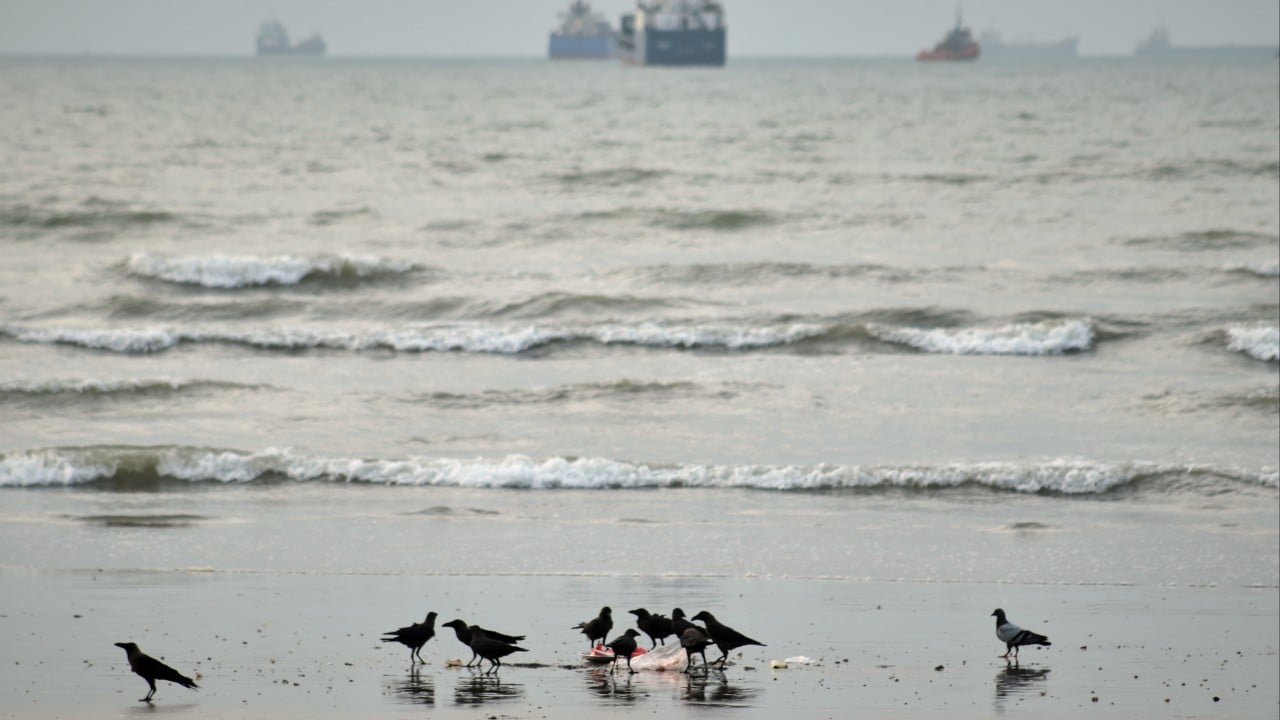
The sea has its own rhythm, indifferent to the borders drawn by men in air-conditioned rooms thousands of miles away. Out on the water, the horizon is a clean, sharp line where blue meets blue, and the only sounds are the steady thrum of the engine and the hiss of salt spray against steel. For thousands of mariners who leave the Philippine islands every year, this vast expanse is not just a workplace. It is an engine of survival, a way to build a house back home, to pay for a child’s tuition, to secure a future measured in remittances sent through wire transfers and phone calls home on scratchy connections.
Then, the sky lights up.
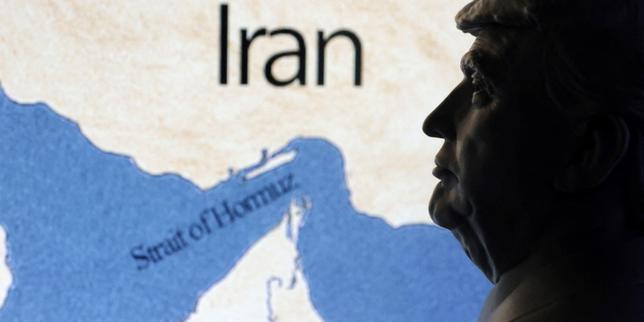
War does not care about the neutral flag a ship flies, nor does it pause to check the passports of the crew sleeping in the forecastle. When an Iranian attack struck a commercial vessel near the waters of the Middle East, the geopolitical abstract suddenly became violently physical. Two Filipino sailors did not survive. Their names, hometowns, and the quiet grief unfolding in provinces thousands of miles away transformed a sterile news ticker into an intimate tragedy.
Saudi Arabia confirmed the strike. The world absorbed the bulletin for a brief moment, scrolled past it, and moved on to the next algorithmic distraction. But in small towns across the Philippines, the world stopped entirely.
Consider what happens when a telegram or a phone call arrives at dawn.
The distance between the Persian Gulf and a coastal barangay in Iloilo or Cavite is measured in thousands of miles, yet it vanishes in the space of a single heartbeat. For families accustomed to the nervous anxiety of deployment, every maritime transit is a silent prayer. You track the vessel on a tracking app on your phone. You look for updates. You wait for the three-word message: I am safe.
When that message never comes, the silence grows heavy.
Shipping lanes are the circulatory system of modern civilization. Everything we touch, from the coffee in our mugs to the electronics in our pockets, has spent time swaying in a metal box on the ocean. Behind every hull are human beings who trade their youth and their safety to keep that global supply chain moving. They are engineers, cooks, able-bodied seamen, and officers. They miss birthdays, anniversaries, and holidays, anchoring their hopes to a contract that promises a better life upon their return.
Yet, the geopolitical friction of the Middle East has increasingly turned these commercial arteries into danger zones. Escalating tensions between regional powers and international shipping routes have created a volatile mix where civilian mariners find themselves on the front lines of conflicts they did not start and cannot influence.
It is easy to view maritime security through the lens of defense budgets, missile trajectories, and diplomatic communiques. Analysts speak of shipping lanes, choke points, and deterrence. They use clean, bloodless language to describe the messy reality of armed conflict spilling over into international waters.
But language like that hides the human cost.
(Note: The following scenario illustrates the typical reality of modern maritime deployment, based on patterns documented by labor groups and maritime agencies.)
Imagine a young sailor standing watch on the bridge at midnight. The air is warm and thick with humidity. The glow of the radar screen illuminates his face. He is thinking about his daughter's upcoming seventh birthday, calculating whether he can afford to send home extra money this month for the party. He is thousands of miles away from home, working a shift that feels endless. He is not a combatant. He carries no weapon. His only armor is the flag painted on the side of the hull, signaling neutrality under international law.
In modern warfare, neutrality is a fragile shield.
The attack comes without warning. A streak in the dark, a flash of concussive force, and the quiet rhythm of the sea is shattered by fire and smoke. In seconds, routines built over months are erased.
When the smoke clears, the diplomatic fallout begins. Statements are drafted. Condolences are offered. Governments issue press releases expressing deep concern over the freedom of navigation and the safety of international waters. Officials meet behind closed doors to discuss maritime security protocols and regional stability.
None of those statements bring anyone back.
The families left behind must navigate a different kind of bureaucracy. Repatriation paperwork, insurance claims, consular assistance, and the slow, agonizing process of bringing a loved one's body back across the ocean. The economic lifeline that once sustained them is suddenly cut, replaced by a vacuum of grief and uncertainty.
This is the hidden tax of global trade. We consume the products of a connected world while remaining largely blind to the hands that carry them across the water. We treat shipping as a utility, like electricity or running water, expecting it to be constant, cheap, and invisible.
It is never invisible to those who pay for it with their lives.
As the geopolitical landscape grows more fractured, the risks facing civilian mariners will only escalate. Protecting these workers requires more than temporary diplomatic posturing or temporary rerouting of vessels. It demands a fundamental reckoning with the human toll of regional conflicts spilling into international commons. If the global economy relies on the courage of those who sail into troubled waters, then protecting them must become more than an afterthought.
The sea remains as vast and indifferent as it has always been. It rolls beneath the container ships and tankers, carrying cargo and crew across the globe. But back on shore, the empty chairs at dinner tables remain a permanent monument to a war fought far from home, reminding us of the heavy price paid by those who simply went to work.