Ink dries fast in federal courts.
Sometimes, it dries so quickly that it swallows years of investigations, billions in market value, and the collective anxiety of an economic empire in a single stroke.
Picture a courtroom in Brooklyn. The fluorescent lights hum with a dull, institutional fatigue. Monitors glow with rows of numbers that dictate the price of light, the cost of steel, the pulse of thousands of megawatts powering a subcontinent. Across the aisle, lawyers shuffle heavy briefs. Their expressions are carefully neutral, trained over decades to mask the sheer volatility of what a stroke of a pen can mean for a man whose name is synonymous with the modern industrial skeleton of India.
Then, the decision drops.
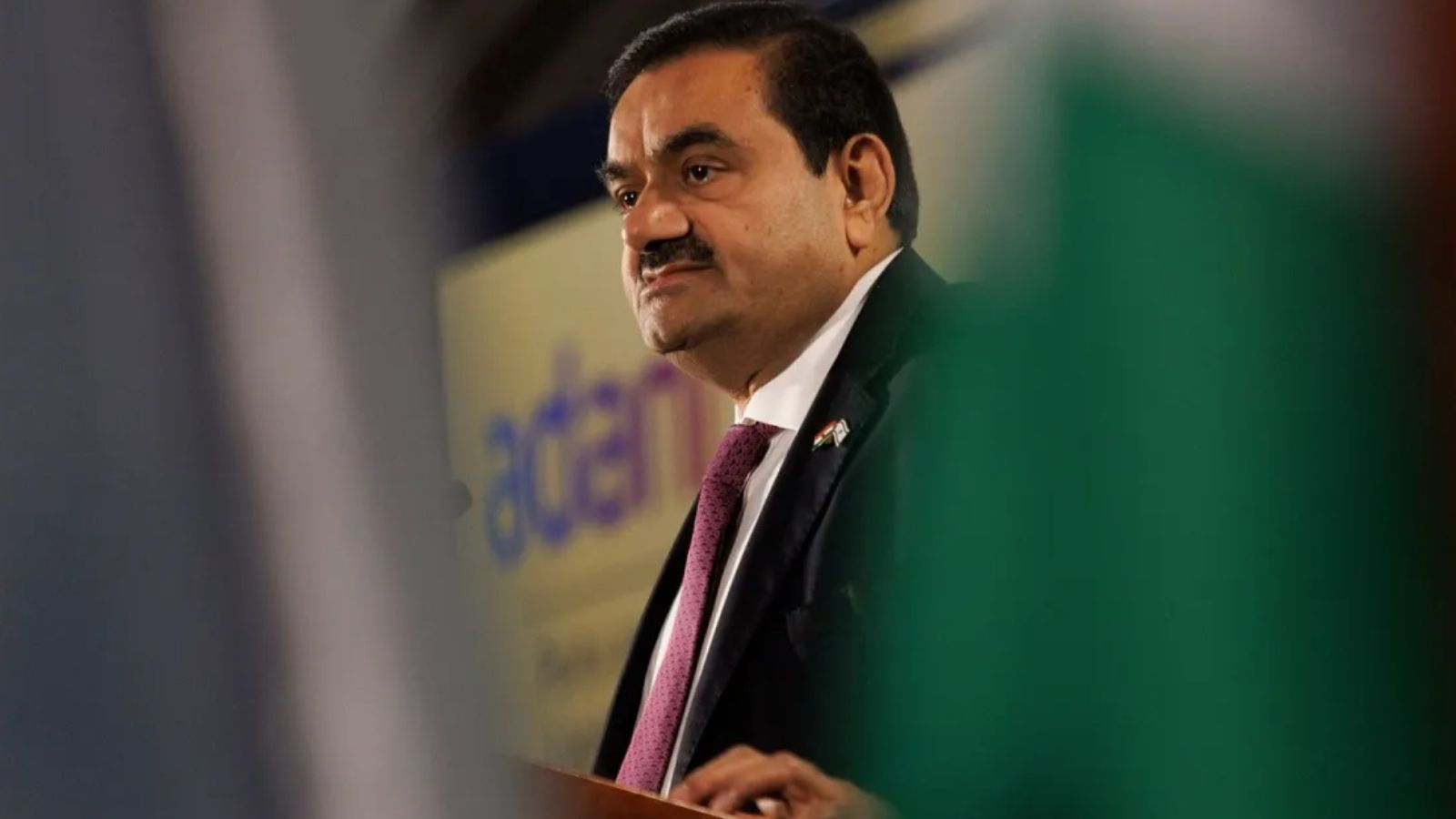
A United States judge steps back from the bench. The criminal charges against billionaire Gautam Adani are dismissed.
Just like that.
To understand why this moment matters, you have to step away from the ticker tapes and the frantic terminal updates on Wall Street. You have to look at the machinery of global trust. For months, the markets had digested a suffocating narrative: allegations of bribery, obscured disclosures, a web of contracts designed to bypass scrutiny. Investors panicked. Billions vanished from valuations in hours. Pension funds re-evaluated risk. Regular people, thousands of miles away from the dust of construction sites and port terminals, wondered if the foundation they built their retirements on was built on sand.
Trust is fragile. It is invisible, yet it weighs more than concrete.
When the indictments hit, they weren't just legal documents. They were seismic tremors. They challenged the assumption that massive cross-border conglomerates could operate with impunity across legal jurisdictions. They turned corporate boardrooms into bunkers.
And then came the quiet.
Dismissal.
Why? The gears of international prosecution are notoriously grinding and constrained. Jurisdiction is a strict mistress. Crossing borders to prove intent requires a mountain of cooperation, procedural perfection, and evidence that survives the harsh light of adversarial cross-examination. When those legal thresholds stumble, the case unravels. Not because the questions vanish, but because the court runs out of legal room to answer them.
Consider what happens next in the quiet spaces of global trade.
The immediate crisis is over. The legal shadow lifts. Shares rebound, breathing a collective sigh of relief into the portfolios tied to the conglomerate's infrastructure projects. Ports will expand. Power grids will hum. Solar panels will stretch across scorching plains.
Yet, the questions linger in the air like smoke after a fire.
We live in an era where corporate titans cast shadows larger than many sovereign states. Their decisions dictate whether a city keeps the lights on or whether a supply chain chokes. When a legal system steps in and says, this particular threshold of criminality has not been met, it does not mean the ecosystem is pure. It means the law has spoken on a specific set of charges.
There is a distinct vertigo that comes with watching multi-billion-dollar fortunes swing wildly based on a legal technicality thousands of miles away from the assets themselves. You realize how abstract wealth has become. It is no longer about gold in a vault or grain in a silo. It is about confidence, compliance, and the perpetual negotiation between state power and private capital.
Adani walks away from this specific legal precipice with his empire intact and his legal ledger wiped clean of these charges. The machinery resumes its rhythm. The cargo ships dock on schedule.
But the memory of the drop remains.
Markets have long memories, even when they pretend to forget. Every investor who watched their holdings dip into the red during the height of the investigation now knows the exact shape of the abyss. Every regulator around the world is watching closer, sharpening tools, looking for the next fault line where local enterprise meets global oversight.
The gavel falls. The court empties out. The lawyers pack their leather bags and head back out into the cold urban afternoon. The headlines shift to tomorrow's panic. But the underlying architecture of power remains unchanged, towering over us all, waiting for the next tremor.