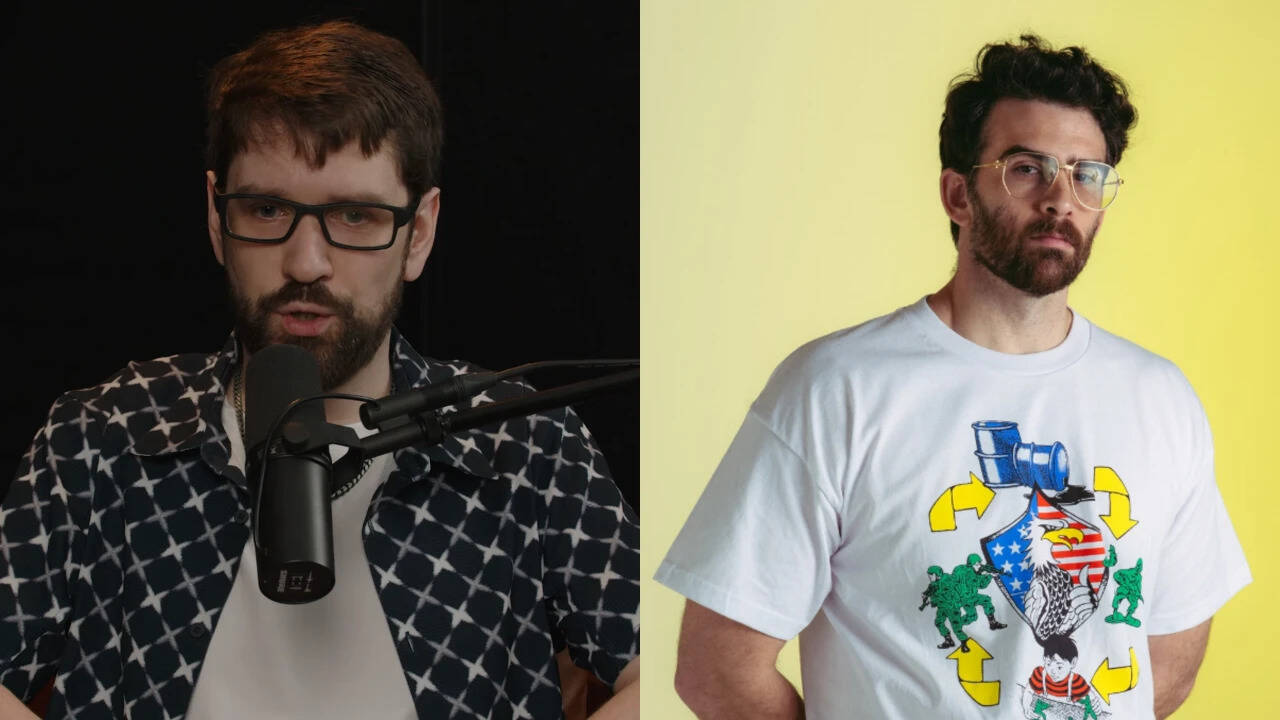
Hasan "HasanAbi" Piker recently signaled during a Twitch stream that he is actively considering a legal restraining order against Steven "Destiny" Bonnell following a fresh wave of aggressive livestream commentary. The ongoing feud between the two political creators has crossed from mere online beef into potential court battles. This friction represents a broader structural crisis within the creator economy. Platforms profit off sustained personal animosity while lacking the infrastructure to manage real-world harassment, forcing creators to rely on legal remedies for digital conflicts.
The Toxic Engine of Creator Economy Feuds
Political livestreaming runs on friction. When two former allies turned bitter rivals trade barbs across Twitch and Kick, viewers do not just watch; they mobilize.
For years, Piker and Bonnell shared an ecosystem. Piker operated primarily on Twitch, leaning into left-wing commentary and mainstream cultural commentary. Bonnell carved out a space on alternative platforms like Kick and YouTube, building an audience around combative debates and aggressive rhetorical exposure.
The mechanics of audience retention actively reward this conflict.
Consider how the algorithm processes outrage. A creator reacts to a clip. The subject of that clip responds on their own stream hours later. Clip channels re-upload the exchange to YouTube Shorts and TikTok, generating millions of combined impressions. Each cycle brings fresh revenue, subscriber conversions, and heightened personal risk.
[ Creator A Stream ] ---> [ Clip Extraction ] ---> [ Algorithmic Surge ]
        ^                                                   |
        |                                                   v
[ Retaliatory Escalation ] <--- [ Retaliatory Stream ] <--- [ Audience Mobilization ]
This feedback loop creates an environment where de-escalation is financially disincentivized. When Piker publicly mentioned exploring legal protection, it marked a breaking point. The transition from digital posturing to legal filings illustrates that the current framework for content moderation is failing the creators who power these platforms.
Why Platform Moderation Fails to Stop Target Campaigning
Twitch and Kick handle moderation through distinct philosophies, yet both fall short when dealing with long-term targeted hostility.
Twitch relies on strict, often ambiguous terms of service regarding harassment and hateful conduct. Kick markets itself as a sanctuary for unfiltered speech, offering higher revenue splits while taking a hands-off approach to interpersonal creator conflicts.
This divergence creates a critical blind spot.
When harassment spans across platforms, moderation teams become effectively blind. A stream originating on Kick can drive a harassment campaign aimed at a creator broadcasting on Twitch. Because neither platform shares moderation data or coordinates safety protocols, the targeted individual is left isolated.
The Limits of TOS Enforcement
- Cross-platform immunity: Moderation actions taken on platform A rarely influence creator behavior on platform B.
- Audience proxy harassment: A creator can stay barely within platform guidelines while signaling to their audience to target another individual off-platform.
- Delayed reaction times: Safety teams typically respond hours or days after a viral harassment event has already peaked.
The law struggles to keep pace with these dynamics. Standard civil harassment statutes and restraining orders were crafted for physical stalkers or direct neighbors. They were not built for decentralized networks of thousands of anonymous viewers acting on the subtle cues of an influencer.
The Legal Reality of Securing a Restraining Order Against a Streamer
Filing a restraining order against a fellow public figure over online speech presents severe legal hurdles. Courts are historically hesitant to restrict speech between public entities, especially when political commentary and public debate are involved.
To secure an injunction or restraining order, a petitioner generally must demonstrate a credible threat of violence, sustained stalking, or direct harassment that serves no legitimate purpose.
| Legal Requirement | Application to Livestreaming | Primary Challenge |
|---|---|---|
| Credible Threat | Must prove statements exceed hyperbole | Distinguishing political rhetoric from actionable threats |
| Sustained Stalking | Documenting persistent unwanted contact | Proving direct influence over third-party audience actions |
| Severe Distress | Demonstrating concrete economic or psychological harm | Overcoming the argument that conflict is commercially self-inflicted |
If a streamer argues that their commentary constitutes protected speech or public commentary on an opposing public figure, courts often default to First Amendment protections.
However, when commentary includes persistent calls to disrupt an individual's private life, off-stream location tracking, or relentless personal targeting, the legal boundary shifts. Piker’s potential filing signals that the line between content creation and actionable harassment has grown dangerously thin.
The Financialization of Personal Hostility
Conflict sells better than civil debate. Modern streaming networks are built on the monetization of identity and grievance.
Streamers are not merely broadcasting thoughts; they are running live-action soap operas where the narrative beats are fueled by real human conflict. The economic engine underlying this ecosystem relies on three core pillars:
- Donation Incentives: Viewers pay money through Super Chats or subscriptions specifically to highlight provocative statements that provoke a reaction from the host.
- Algorithmic Priming: Platforms push high-engagement, high-sentiment streams to the top of discovery feeds, directly linking conflict to viewer acquisition.
- Third-Party Re-upload Ecosystems: An entire industry of clip channels monetizes drama, creating external financial pressure that keeps the core subjects locked in battle.
When conflict is directly tied to platform monetization, creators face a structural trap. Disengaging means giving up airtime, audience share, and revenue. Continuing the feud risks personal safety, legal costs, and mental exhaustion.
The legal system was never intended to serve as an arbitration panel for high-stakes Twitch beefs, yet platform indifference leaves creators with few alternative avenues. As long as streaming sites prioritize user engagement over safety infrastructure, the courtroom will increasingly become the final arena for livestreaming's ongoing wars.