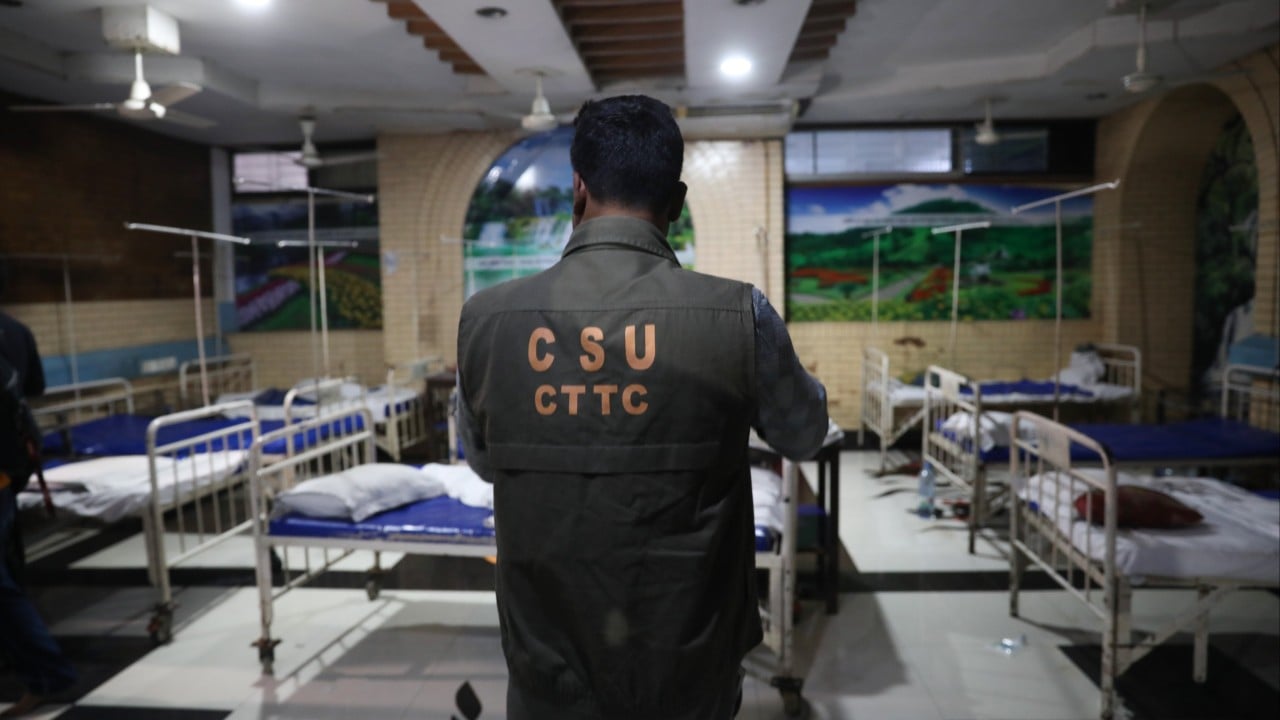
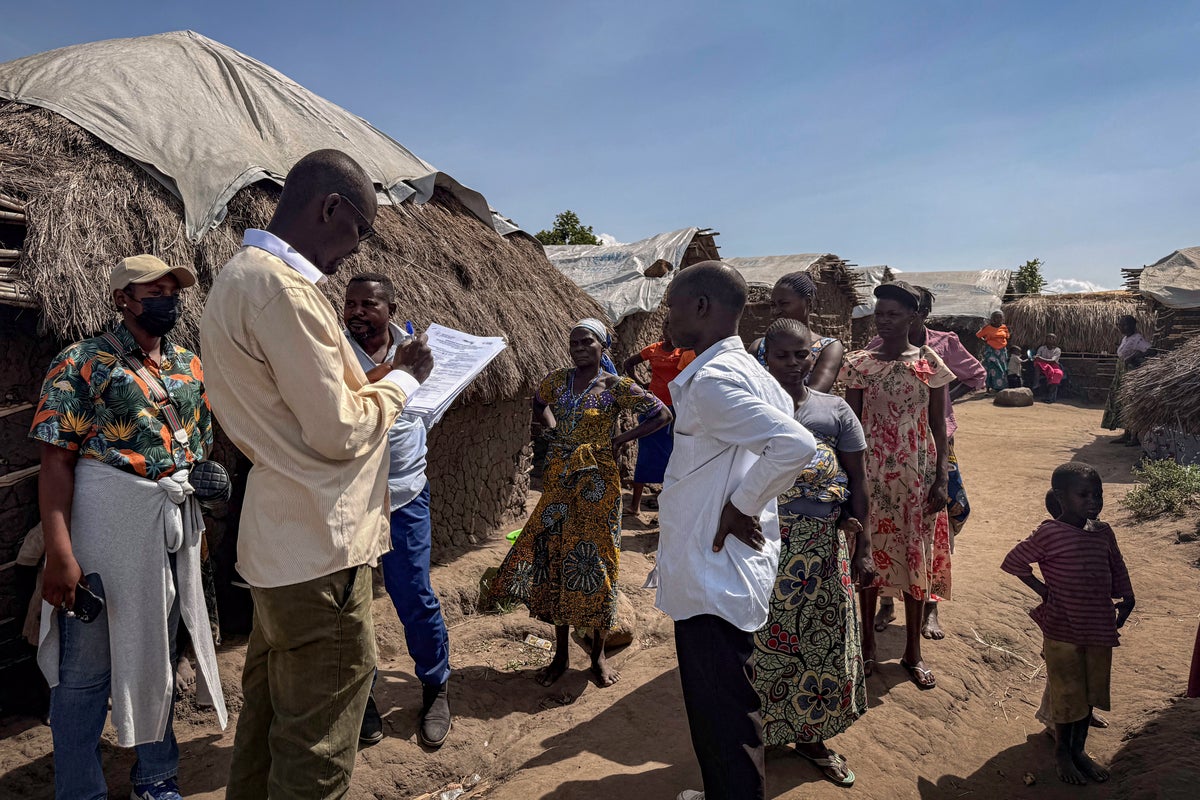
You probably remember the headlines when a virus broke out on a cruise ship. Usually, it's norovirus. Everyone gets stomach cramps, the ship turns around, and crew members scrub down handrails with bleach.
But what just happened on the MV Hondius is completely different.
The World Health Organization just confirmed that the hantavirus cases linked to this Dutch-flagged luxury vessel have climbed to 13 after a new positive test emerged in Spain. A passenger who was already under quarantine tested positive and was quickly moved to a high-level isolation unit at the Gómez Ulla Military Hospital in Madrid.
Three people have died since the outbreak began in April. The ship has already docked in Rotterdam, the remaining passengers have been scattered across the globe for isolation, and deep cleaning is underway.
Health officials keep telling us the risk to the general public is very low. They are right. You aren't going to catch this walking down the street. But if you think this is just another random tropical disease headline to ignore, you are missing the real story.
The Reality of the Cruise Outbreak
This isn't your typical old-world hantavirus. Europe sees sporadic cases of mild hantaviruses every year, usually causing kidney issues. This specific outbreak involves the Andes hantavirus.
That distinction matters.
Andes virus causes Hantavirus Pulmonary Syndrome. It fills the lungs with fluid and causes severe respiratory distress. The case fatality rate can hover around 35% to 40%. In this specific cluster, three deaths out of 13 total cases puts the mortality rate right in that dangerous zone.
The MV Hondius isn't a massive, multi-story mega-ship with thousands of people eating at buffets. It's an expedition vessel designed for remote, high-end travel. Passengers paid anywhere from €14,000 to €22,000 for a voyage that started on April 1 in Ushuaia, Argentina, before moving through South Georgia, Tristan da Cunha, and up toward Cape Verde and the Canary Islands.
The big question that investigators are scrambling to pinpoint is exactly where the exposure happened. Early rumors pointed to the starting port in Argentina, but local health data shows no history of the virus in that specific southern region. The long-tailed mouse subspecies that carries the Andes virus lives much further north.
What Makes This Specific Virus Different
Most hantaviruses require direct contact with rodents or their waste. You breathe in dust contaminated with dried mouse urine or droppings, and you get sick.
The Andes virus behaves differently. It's the only hantavirus known to spread directly between humans.
That fact changes the entire containment playbook. It explains why the UK Health Security Agency rushed a mobile laboratory to the remote island of St Helena, and why countries like France, Germany, Canada, and the United States are tracking down every single passenger who shared that deck space.
The long incubation period of the virus—anywhere from one to six weeks—means health agencies are playing a slow waiting game. The new case in Spain didn't show up overnight. The patient was already isolated, which prevented a wider spread, but it proves that someone can look perfectly healthy for weeks while the virus replicates inside them.
The Problem With Standard Cruise Sanitation
If you look at how cruise ships handle disease, the focus is almost entirely on surface sanitization and handwashing. That works fine for bacteria and stomach bugs. It fails against airborne threats or close-contact transmission of rare pathogens.
When a ship spends weeks at sea moving between isolated islands, the onboard medical bay becomes the front line. On the MV Hondius, the presence of two medical officers helped identify the respiratory cluster early, but a small ship simply isn't equipped to handle multiple patients requiring intensive care or advanced respiratory support.
By the time the ship reached Cape Verde and then Tenerife, international evacuation teams had to step in. Patients were flown out on specialized medical flights to intensive care units in Johannesburg, Zurich, and the Netherlands.
How to Protect Yourself on Remote Expeditions
Adventure cruising to remote areas is growing fast. If you are planning to book an expedition to places where medical evacuation takes days, you need to change how you prepare.
Stop assuming the ship's medical team can fix everything. They are there for stabilization, not long-term critical care.
Check the evacuation insurance policy before booking. A standard travel insurance policy won't cover a private, high-level isolation flight from a remote island in the South Atlantic to a specialized European hospital. You need a dedicated medical evacuation membership that explicitly covers infectious diseases and high-consequence pathogens.
Pay attention to your environment during shore excursions. If you are visiting remote research stations, rustic cabins, or rural ports, avoid enclosed spaces that show signs of rodent activity. Dust in old buildings can harbor viruses for days.
Monitor your health for a full month after returning from any rural or remote destination. The symptoms of this virus start out looking like a standard flu—fever, muscle aches, and fatigue. If you develop those symptoms after a trip, don't just sit at home and hope it passes. Go to a hospital, tell the doctor exactly where you traveled, and demand they look into travel-related pathogens immediately. Early supportive care is the only thing that changes the outcome when dealing with aggressive viral infections.