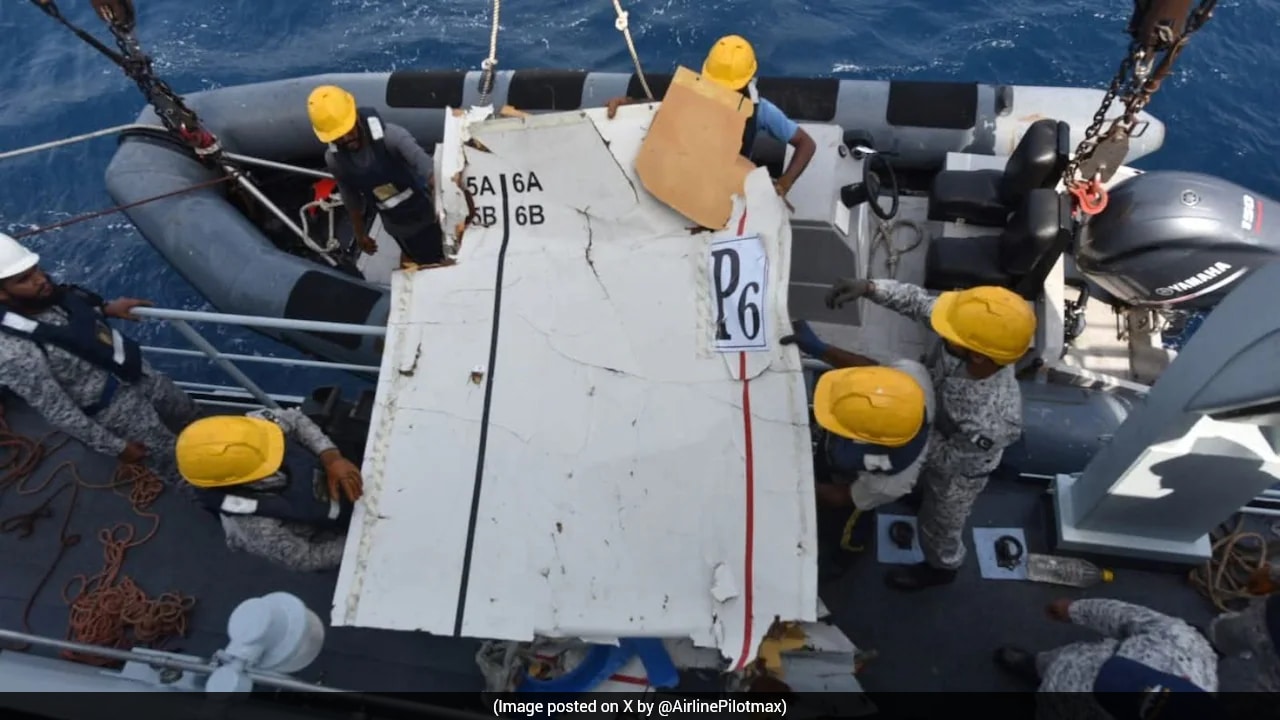
Pakistani search and rescue teams have located the wreckage of a missing cargo plane in the Arabian Sea, shifting the operation from a frantic tracking mission to a recovery effort for the missing crew. While local authorities focus on pulling debris from the water, the incident points to a much deeper crisis within the region's air freight sector. The crash is not an isolated piece of bad luck. It is the predictable result of aging fleets, weak regulatory oversight, and intense economic pressure on cargo operators to keep planes in the air at all costs.
Locating the physical debris answers where the plane went down, but it raises immediate questions about why it was flying in that condition.
The Illusion of Routine Maintenance
Air cargo operations in developing aviation markets often run on razor-thin margins. Unlike commercial passenger airlines, which face intense public scrutiny and strict international boarding metrics, cargo carriers frequently operate in the shadows. They fly older airframes. They utilize older engines that require more frequent, and more expensive, overhauls.
When a cargo plane disappears from radar, the initial official statements usually point toward sudden weather anomalies or unexpected mechanical failure. Experienced accident investigators know better. Airplanes rarely drop from the sky due to a single isolated fault. Instead, a chain of events leads to a catastrophic failure. This chain often begins months before takeoff in a maintenance hangar where inspectors overlooked a hairline fracture or signed off on a faulty valve to meet a tight shipping deadline.
The pressure to deliver goods on time creates a culture of compromise. If a plane sits on the tarmac for three days waiting for a certified part from Europe or America, the operator loses tens of thousands of dollars. The temptation to patch the problem with a temporary fix is immense. In many cases, these temporary fixes become permanent solutions until the metal finally gives way over open water.
Regulatory Blind Spots in Regional Skies
Pakistan's Civil Aviation Authority has faced international scrutiny before. Past audits by global aviation bodies highlighted systemic issues in licensing procedures and safety oversight. While the country made strides to correct passenger airline deficiencies to avoid international bans, the domestic and regional cargo sector did not receive the same level of rigorous reform.
Cargo charters frequently operate at night. They fly less crowded routes and use secondary airports where oversight is less stringent. This operational reality allows non-compliance to hide in plain sight.
Consider how a typical cargo operation functions under these conditions. A regional carrier agrees to transport heavy industrial equipment or perishable goods across the coast. The aircraft is loaded close to its maximum takeoff weight. If the ground crew miscalculates the center of gravity, or if the cargo shifts during a sudden patch of turbulence, an older airframe lacks the advanced automated flight controls to compensate for the pilot's manual struggle. When you combine an imbalanced load with a sudden engine stall, a catastrophe becomes inevitable.
The Dangerous Lifecycle of Retired Passenger Jets
Many cargo aircraft flying regional routes started their lives decades ago carrying passengers for major international airlines. When those airlines retire a jet after 20 years of service because it becomes too expensive to maintain to passenger standards, specialized firms buy the airframe and convert it for freight.
This conversion process strips out seats, overhead bins, and passenger amenities to maximize volume. They cut a large cargo door into the fuselage. While engineering firms certify these conversions, they cannot reverse the fundamental aging of the aluminum hull. The aircraft still carries the fatigue of thousands of pressurization cycles.
Flying these converted workhorses requires flawless maintenance and cautious piloting. Instead, they often end up in the hands of secondary operators who push the machinery to its absolute limits. The pilots flying these routes are frequently young officers looking to build flight hours or older captains working past their prime passenger-fleet years. They fly through monsoons, handle poorly secured hazardous materials, and cope with minimal ground support.
Surviving the Water Impact
When an aircraft hits the ocean, the physics of the impact are brutal. Unless a pilot achieves a controlled ditching at a perfect angle and low speed, the water acts like a concrete wall. The fuselage breaks apart instantly, exposing the interior to immediate flooding and sinking heavy components like engines and landing gear within minutes.
Finding the wreckage in the sea is a complex technical challenge, but it is only the first step. To truly understand the final moments of the flight, recovery teams must retrieve the flight data recorder and the cockpit voice recorder. These devices, built to withstand extreme pressure and deep-sea environments, hold the definitive record of engine performance, pilot inputs, and structural alerts.
Without these boxes, the investigation relies entirely on floating debris and radar telemetry, both of which offer an incomplete picture. Debris can drift miles from the actual impact site due to strong ocean currents, complicating the mapping of the wreckage field.
Moving Beyond the Official Narrative
We can expect the upcoming official preliminary reports to focus heavily on weather conditions at the time of the crash or potential pilot error. Blaming the dead crew is a time-honored tradition in aviation management because dead pilots cannot defend themselves, and it diverts attention from structural corporate failures.
The real investigation must look at the logbooks. Investigators need to examine the financial health of the operator, the origin of the spare parts used during the last three major checks, and the exact duty hours of the crew leading up to the flight. Fatigue kills just as surely as a cracked turbine blade.
The international community must also reckon with its role. Global supply chains rely on these low-cost regional feeders to move components to major shipping hubs. When Western consumers demand cheap overnight shipping or rapid delivery of goods, they inadvertently subsidize an industry that cuts corners on safety to keep costs down. The loss of life in the Arabian Sea is a stark reminder that the true cost of cheap logistics is often paid in human lives.
Fixing this systemic issue requires more than just issuing condolences or updating a website with a statement about safety priorities. It requires grounding operators who fail basic maintenance audits, impounding aircraft that exceed safe structural lifetimes, and treating air cargo safety with the exact same urgency as passenger flight safety. Until regulators enforce identical standards for boxes as they do for people, the ocean will continue to collect the remnants of broken airplanes and their forgotten crews.