For twenty-one years, the morning ritual across millions of Australian living rooms was anchored by a specific, predictable comfort. The coffee machine buzzed, the toaster clicked, and Karl Stefanovic laughed. He was the golden boy of breakfast television, a master of the high-wire act that requires a host to pivot from a devastating natural disaster to a giant pumpkin competition without missing a beat. He was a larrikin in a sharp suit, pulling down a rumored seven-figure salary to tell the nation how to feel about the world before they had even brushed their teeth.
Then, the screen went blank.
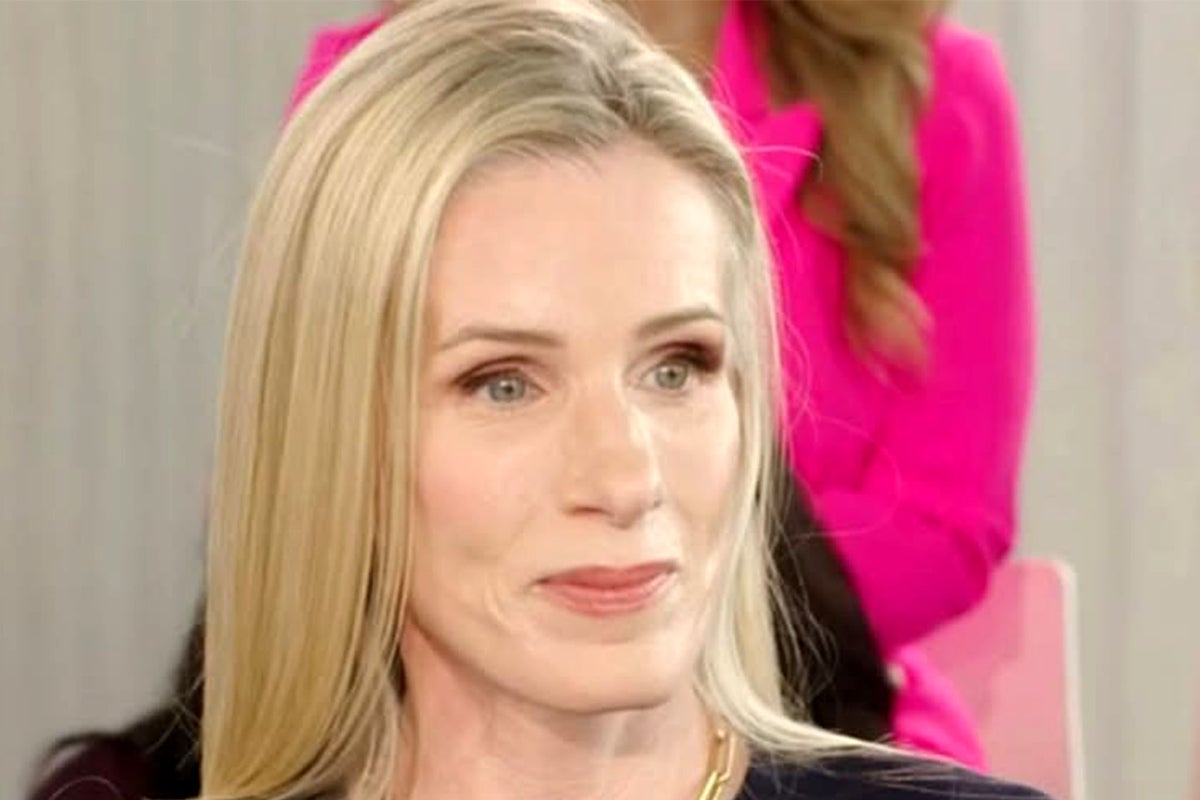
On a chilly Friday morning in June 2026, the familiar geometry of the Today show desk shattered. Sarah Abo sat under the studio lights, her voice cracking, tears visible. She didn’t introduce a lighthearted segment or throw to a weather presenter. Instead, she delivered a eulogy for a career. Karl was gone. Not at the end of the year, as had been quietly negotiated behind closed doors, but effective immediately.
No farewell montage. No final, tearful wave to the camera. Just an empty chair and a corporate press release.
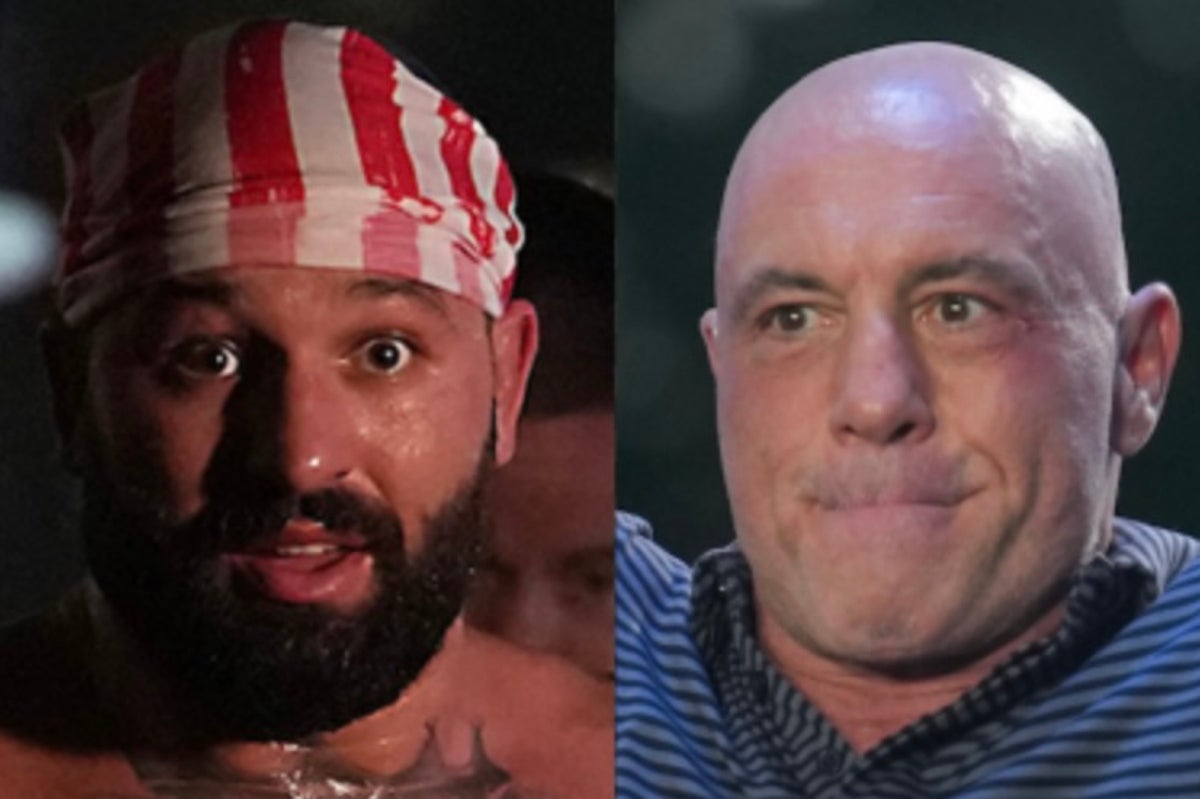
The collapse of Australia’s most enduring television relationship didn’t happen because of a studio dispute or a ratings slide. It happened because of a microphone in an independent studio and an hour-long conversation that crossed an invisible line. Stefanovic had launched a side project, a self-titled digital podcast, seeking the raw, unfiltered frontier of the internet. He wanted to play the role of the ultimate disruptor, an Australian Joe Rogan who could peer into the cultural underground.
Instead, he stared directly into a sun that blinded his employers.
The catalyst was an interview with Stephen Yaxley-Lennon, known globally by the pseudonym Tommy Robinson—a British anti-immigration activist, a flashpoint for street protests, and a figure banned across major social platforms for hateful conduct. In a promotional clip, the two men walked side-by-side. Robinson wore a "Unite the Kingdom" shirt; Stefanovic leaned in, loose and casual, tossing out vulgarities about the British political establishment and telling Robinson, "I'm surprised you're not dead yet."
During the conversation, Stefanovic looked at a man who has spent a decade polarizing a hemisphere and offered praise. He admired his tenacity. He praised his courage.
Within hours of the episode going live on a Tuesday evening, the corporate machinery at Nine Entertainment began to hum with panic. Phone lines melted. Executive crisis talks dragged through the night. The podcast was independent, yes, but branding is an unforgiving mirror. You cannot build a billion-dollar media empire on mainstream morning trust while your main anchor is playing sympathetic host to the far-right on his days off.
By Wednesday morning, the episode was scrubbed from Spotify, Apple, and YouTube. But the internet is forever. The video was resurrected online by political figures, and the narrative spun entirely out of the network’s control.
Imagine the view from the executive suite. Mainstream media exists on a delicate social contract with advertisers and suburban families. It requires safety. It requires balance. Stefanovic’s defense, issued from a park bench in Europe via a defiant video message after his firing, was a classic appeal to the modern digital ethos. He spoke of freedom of speech. He argued that the public deserves to hear different perspectives, to listen to voices that "wind some people up" and make up their own minds. "So I’m free," he declared into his smartphone camera, a stark contrast to the studio lights he had inhabited for two decades. "Truly independent."
But independence has a price tag. For Karl, it meant leaving the remaining balance of a lucrative contract on the table and exiting the building through the digital back door.
The tragicomedy of the modern media landscape is that the walls separating the mainstream from the alternative are no longer just porous; they are completely imaginary. A television host can no longer leave the controversy at the studio gates. The microphone on a podcast desk is just as loud, and carries far greater risk, than the one attached to a network lapel.
The era of the untouchable television king is over. In the end, the network decided that the brand was bigger than the boy from Queensland. The morning show will roll on, the theme song will play, and the news will be read. But the living rooms of Australia will feel just a little quieter, stripped of the illusion that the man smiling through the glass was entirely safe.