The fluorescent lights of a visa processing center have a specific, humming frequency. It is the sound of suspense. In a cramped waiting room in a city halfway across the globe, a woman named Elena sits with a folder pressed against her knees. The folder contains her life: birth certificates, bank statements, and a passport that feels heavier than it should.
She is here because the United States is changing the rules of the game while the players are already on the field.
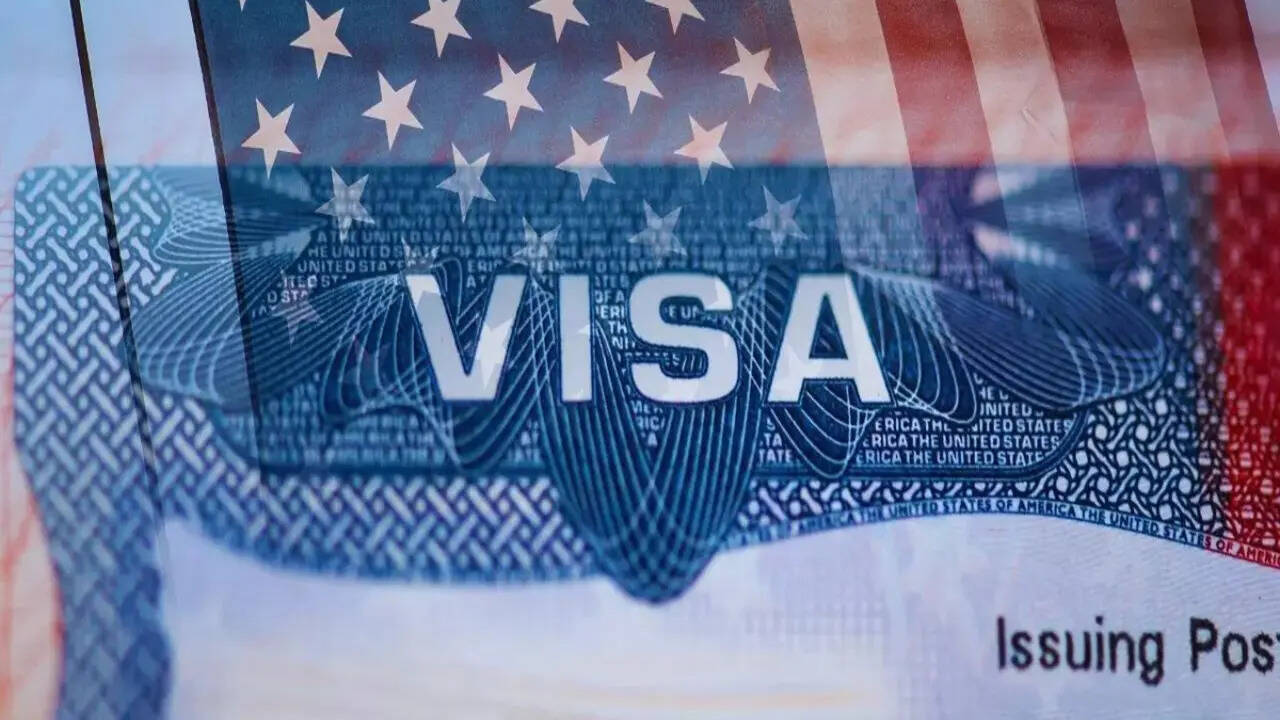
The U.S. State Department has recently tightened the screws on the visa application process. It sounds like a bureaucratic footnote, a minor adjustment in a sea of policy updates. But for Elena, and thousands like her, it is a psychological fork in the road. The new mandate requires applicants to explicitly declare that they have no "persecution concerns" in their home country.
It is a simple checkbox. A binary choice. Yes or no. Yet, that single mark on a digital form carries the weight of an entire future.
The Weight of the Checkbox
To understand why this matters, you have to look past the ink and the legal jargon. When the U.S. government asks an applicant to swear they aren't afraid of their own government, they aren't just collecting data. They are closing doors.
Under the previous framework, the line between a tourist and a refugee was often blurred during the initial interview. A person might arrive on a B-1 or B-2 visa, intended for business or pleasure, and only later—after experiencing the safety of American soil—reveal that they cannot go back. They would then apply for asylum. This "dual intent" has long been a point of friction for immigration hardliners.
Now, the door is being bolted from the outside. By requiring a formal declaration of "no persecution concerns" at the point of entry or during the application, the government is creating a legal record. If Elena checks that box today to get her vacation visa, and six months from now she tries to claim asylum, that checkbox becomes a weapon. It is a "gotcha" moment etched in federal records.
The message is clear: pick a side before you board the plane.
A Tale of Two Folders
Consider two hypothetical paths for a man we’ll call Mateo.
Mateo lives in a country where the political winds have turned jagged. He isn't a high-profile activist, but he’s seen enough of his friends disappear into "questioning" to know that his time is coming. He wants out. He has a sister in Chicago.
Under the old rules, Mateo might apply for a tourist visa to visit his sister’s new baby. He would tell the truth about the baby, but he might stay quiet about the fear. Once in Chicago, he would seek legal counsel and file for protection.
Under the new rules, Mateo faces a trap. If he admits to persecution concerns on his visa application, the visa is almost certainly denied. Why? Because a tourist visa is for someone who intends to leave. If you are afraid to go home, you are, by definition, not a tourist. You are an intending immigrant.
But if Mateo checks "no concerns" just to get the visa, he has committed what the government calls "material misrepresentation." He has lied to a federal officer. When he finally reaches Chicago and tries to tell the truth about the soldiers at his door back home, the judge will pull up his initial application.
"You swore you weren't afraid," the judge might say. "Were you lying then, or are you lying now?"
The system is designed to force a confession of safety. It creates a paper trail of "all is well" that can be used to debunk future claims of "I am in danger."
The Invisible Stakes of a Cold Policy
Bureaucracy thrives on distance. It is easy to draft a memo about "streamlining the vetting process" or "ensuring applicant integrity" when you don't have to look at the sweat on an applicant's palms.
The tightened rules are part of a broader trend toward "extreme vetting," a term that has become a staple of the American security apparatus. The goal is to filter out those who might "burden" the asylum system before they ever reach the border. By moving the gate further back—to the consulates in Istanbul, Bogota, and Manila—the U.S. reduces the number of people who can physically stand on American soil and ask for help.
Statistics tell a story of efficiency. The government points to a reduction in "frivolous" claims and a more orderly process. They argue that those who truly need asylum should apply through the proper refugee channels, not through the back door of a tourist visa.
Logic, however, suggests a different reality. The "proper channels" for refugees are often clogged, backlogged for years, or entirely inaccessible to someone who is currently being watched by local police. A tourist visa is often the only escape hatch that opens fast enough.
By tightening these rules, the U.S. is essentially asking the most vulnerable people in the world to be perfectly honest with a system that is looking for any reason to say no. It is a demand for transparency in a situation where transparency is a death sentence.
The Ghost of the Interview Room
The interview room is small. There is a pane of bulletproof glass between the applicant and the consular officer. The officer is tired. They have seen three hundred Elenas today. They are looking for a reason to move to the next file.
"Do you have any concerns about returning to your home country?"
The question is asked with the same inflection as "Are you carrying more than ten thousand dollars in cash?"
If the applicant hesitates, the officer notes it. If the applicant says yes, the interview is over, and the visa is denied. If the applicant says no, they have just signed away their right to a different story later.
This isn't just about security. It’s about the soul of a nation that once carved "Send these, the homeless, tempest-tost to me" into a pedestal of green copper. The new rules suggest a different inscription: "Declare your safety before you seek our shadow."
The emotional toll is a slow erosion of hope. It turns the process of seeking a better life into a minefield of legal traps. It assumes that the world is a stable place where a person’s status—tourist or refugee—is fixed and unchanging.
But the world is not stable. A person can leave their home as a tourist and become a refugee before their return flight is scheduled. A coup can happen in a weekend. A law can change overnight. A neighbor can turn into an informant between the time a visa is granted and the time the plane lands at JFK.
The Legal Architecture of Exclusion
Lawyers are already scrambling to advise their clients on how to navigate this new terrain. The advice is often grim: if you have even a shadow of a doubt about your safety, do not sign that form without understanding that you are likely forfeiting your future ability to ask for asylum.
The U.S. government’s stance is that this promotes "integrity." If an applicant is honest from the start, the system works better. But integrity is a luxury of the safe. For the person fleeing a regime that monitors their emails and disappears their cousins, "integrity" to a foreign bureaucracy is a distant second to survival.
We are witnessing the construction of a digital wall. It isn't made of concrete or steel. It is made of data points, checkboxes, and historical records that follow a human being across every border they cross.
Elena finally gets to the window. The officer asks her the questions. She answers them. She thinks about the apartment she left behind, the one where the locks don't feel strong enough anymore. She thinks about her children. She looks at the checkbox on the screen.
She knows that if she tells the truth, she stays. If she tells the lie, she might get to leave, but she might never be able to tell the truth again.
She picks up the pen.
The hum of the fluorescent lights continues, indifferent to the fact that a life has just been bifurcated. The paper is filed. The database is updated. The bureaucracy has been served, and the world has grown just a little bit smaller, a little bit colder, and a lot more certain for those who have never had to run for their lives.
Somewhere, a door clicks shut. You can’t hear it, but if you look closely at the eyes of the people in that waiting room, you can see the light going out.