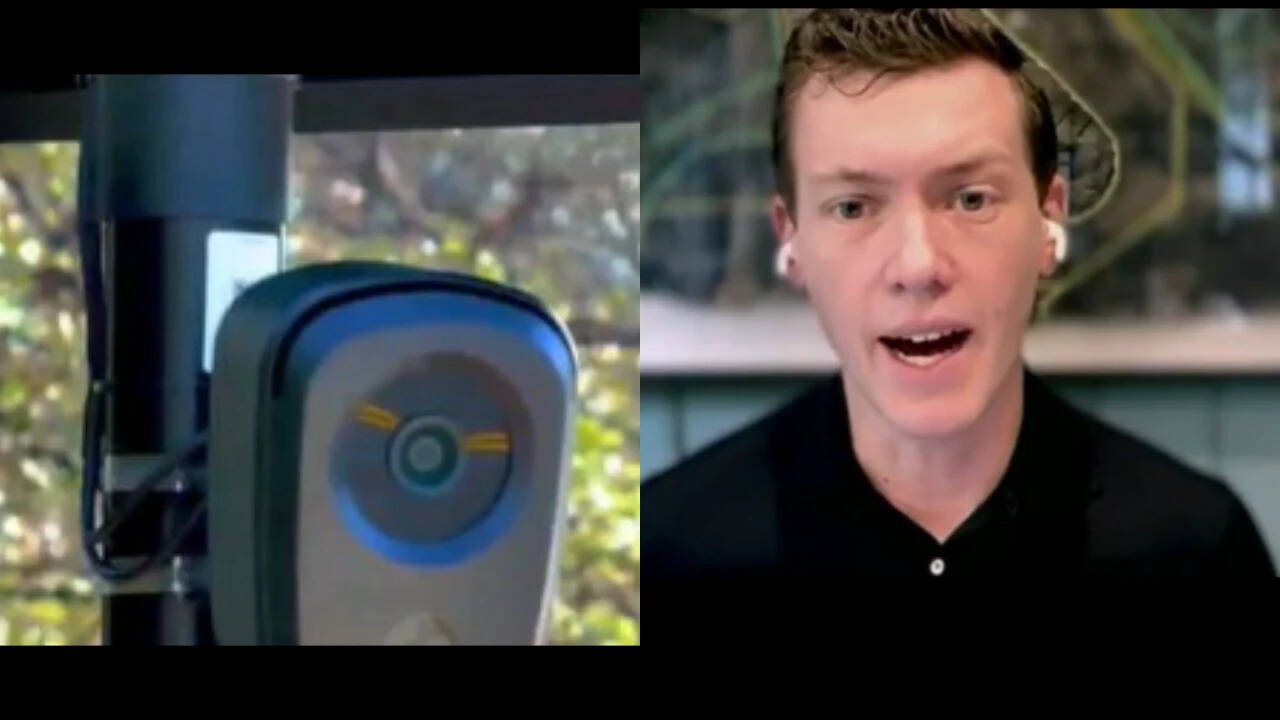
People are taking power tools to traffic cameras. That is not a plot twist from a dystopian science fiction novel; it is happening right now on American streets.
Automated license plate readers and artificial intelligence surveillance tools have quietly saturated thousands of neighborhoods. They log billions of vehicle details every month. They track where you drive, when you drop your kids off at school, and how often you visit specific medical clinics.
When citizens push back, executives push harder. Flock Safety CEO Garrett Langley recently defended his company's massive footprint by arguing that privacy cannot be the only priority. According to him, the conversation must center on safety. But citizens living under constant observation see things differently.
The Reality of Mass Street Surveillance
Walk down almost any main intersection today and you will spot them. Sleek, solar-powered cameras mounted neatly on utility poles. Companies like Flock Safety market these systems to police departments and homeowner associations as infallible crime-fighting shields. They capture vehicle makes, models, colors, and license plates in real time.
The problem is the scale. More than 120,000 automated license plate readers operate across the United States. They do not just catch car thieves. They build a searchable historical profile of everyday citizens moving through public spaces.
Think about what that data means. If a law enforcement agency shares data across state lines, your daily commute becomes an open book. Critics and civil liberties groups point out that this level of tracking bypasses traditional constitutional checks. It turns every public road into a checkpoint.
When Pushback Turns Physical
Frustrated by the lack of local responsiveness, some citizens are taking matters into their own hands. In multiple states, individuals have been caught on video using roof rakes, poles, or power tools to disable or destroy traffic surveillance hardware. Grassroots mapping initiatives like DeFlock help local residents identify and track camera installations. At least 56 municipalities have cancelled or rejected their contracts with surveillance vendors over community pressure.
Police chiefs and city councils find themselves caught in the middle. Some local leaders appreciate the data when investigating violent crimes or carjackings. Others feel blindsided by aggressive vendor outreach and intense public blowback. When a private corporation starts dictating how a community polices its streets, democracy gets messy.
The Executive Defense
Langley compares the pushback against surveillance technology to early resistance to automobiles. He argues that society did not ban cars because of accidents; instead, we introduced seatbelts and drunk driving laws. The logic sounds reasonable in a boardroom.
Yet cars are not harvesting your personal location data 24 hours a day and storing it in a database accessible to external agencies. The comparison falls flat because a vehicle is a tool for personal mobility, whereas an unblinking camera network is an institutional tool for population monitoring.
Internal misuse has also broken public trust. Documented cases of law enforcement officers abusing database access to stalk former partners or colleagues have made headlines. Even when companies roll out tighter auditing rules and mandatory case codes for searches, skeptics note that policy changes rarely fix architectural flaws in mass surveillance systems.
What You Can Do Right Now
If you want to understand how your local government handles traffic data, you do not need to vandalize public property. You can take concrete steps to make your voice heard legally and effectively.
- Check your local public records: File a Freedom of Information Act request or state equivalent to see if your city council has an active contract with automated plate reader vendors.
- Attend municipal meetings: City councils often approve these camera contracts on consent agendas without public debate. Demand an open vote and a public hearing.
- Support local privacy ordinances: Push your representatives to ban warrantless data sharing and mandate strict data sunset clauses so footage is deleted rather than hoarded.
Security matters. But trading away civil liberties for the illusion of total safety rarely ends well. The growing resistance on American streets proves that people want a voice in how far digital observation goes.

.png?width=1200&auto=webp&trim=0%2C0%2C0%2C0)