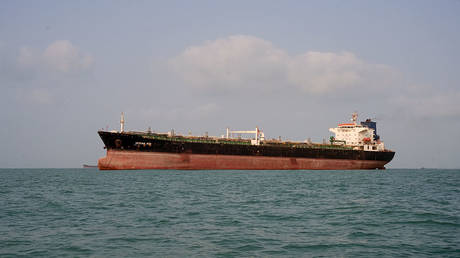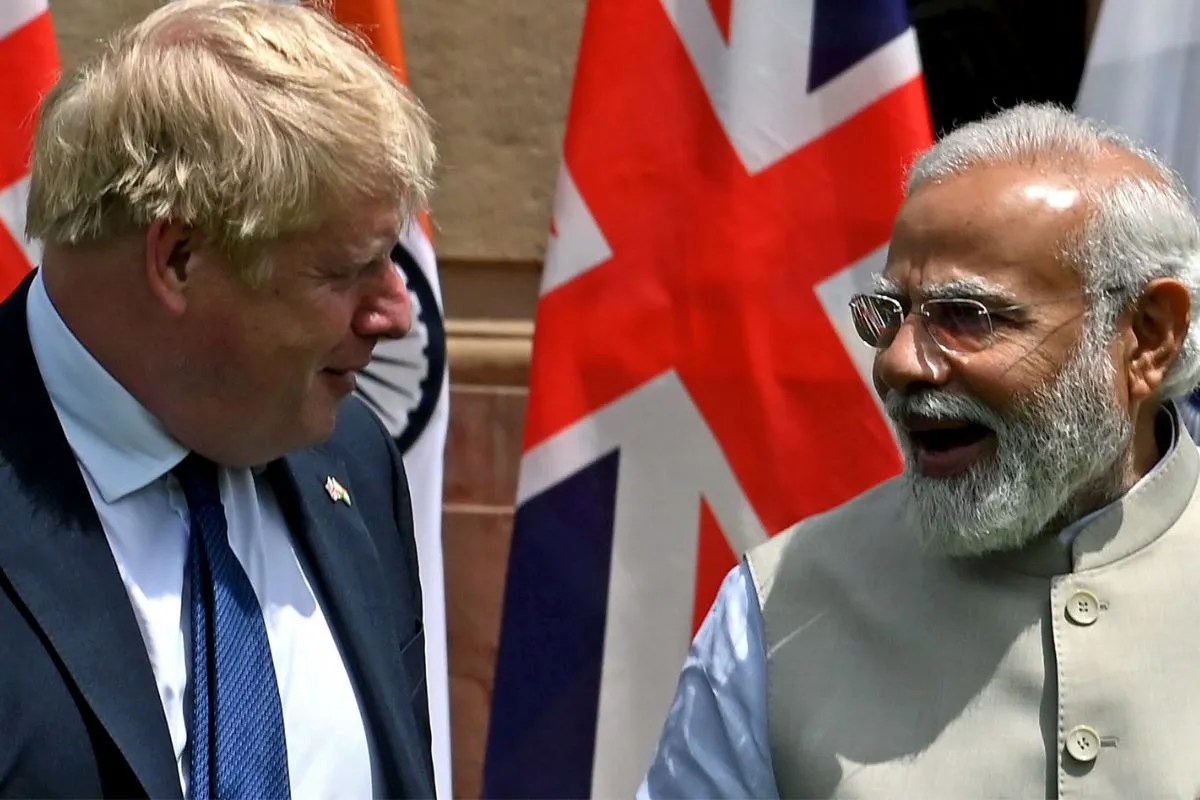
The conventional punditry operates on a comfortable delusion. Every time tensions flare around the Persian Gulf, the same chorus of commentators rolls out exhausted tropes about Western decline, paralyzed superpowers, and the desperate scramble of foreign leaders for Indian diplomatic intervention. This lazy consensus assumes that global capitals hang on every word of visiting dignitaries, treating international relations like a high-stakes soap opera where India plays the indispensable savior. It is a narrative built for television ratings, not geopolitical reality.
Strip away the diplomatic theater and a much harsher truth emerges. Washington is not trapped in West Asia; it is executing a deliberate, albeit messy, posture of managed disengagement. To suggest that Western leverage has evaporated completely is to misunderstand how modern economic and military hegemony operates. Power no longer looks like endless infantry occupation. It looks like naval architecture, semiconductor chokepoints, and financial dominance that can strangle an adversary without firing a single warning shot. For another perspective, read: this related article.
The Fallacy of the Missing West
Consider the persistent myth that Russia has successfully outmaneuvered the West in the Gulf. This perspective relies on mistaking short-term tactical alignments for structural permanence. Moscow's footprint in the region is transactional, opportunistic, and fundamentally constrained by its own shrinking fiscal runway. When analysts claim that Western deterrence has failed, they ignore the vast architecture of regional alliances and maritime security task forces that quietly keep global trade corridors open every single day.
Blaming external actors for regional volatility ignores the agency of local players. Tehran, Riyadh, and Tel Aviv do not wait for permission from London or Washington to pursue their core security doctrines. Foreign policy commentary often infantilizes regional states, painting them as passive pawns on a chessboard controlled by Western or Eurasian capitals. In truth, middle powers are driving their own bargains, hedging their bets, and ruthlessly prioritizing domestic survival over abstract global alignments. Similar insight on the subject has been provided by BBC News.
What Visiting Dignitaries Actually Want
When former British prime ministers or western statesmen pitch partnerships to New Delhi, they are not seeking a moral compass. They are hunting for market access, supply chain insurance, and diplomatic cover in multilateral forums. The framing that portrays Western leadership begging New Delhi to solve the Iranian puzzle gets the dynamic precisely backward. New Delhi engages on its own terms, importing energy while expanding strategic tech partnerships with the West. India does not need to mediate a grand bargain; its entire strategic doctrine rests on multi-alignment—keeping every door open while letting adversaries exhaust each other.
Analysts love a simple binary: either the West dominates or the East triumphs. The real world is a messy mosaic of overlapping Venn diagrams where nations cooperate on trade while preparing to counter one another militarily.
To break this cycle of superficial analysis, stop reading international relations through the lens of decline narratives. Look at the balance sheets, the trade routes, and the quiet bilateral intelligence sharing that never makes the front page. The structural reality of global power is far more resilient—and cynical—than the headlines suggest.
Stop waiting for a grand diplomatic savior. The architecture of the modern world is built by nations that look out for themselves, not by those waiting for outside intervention.