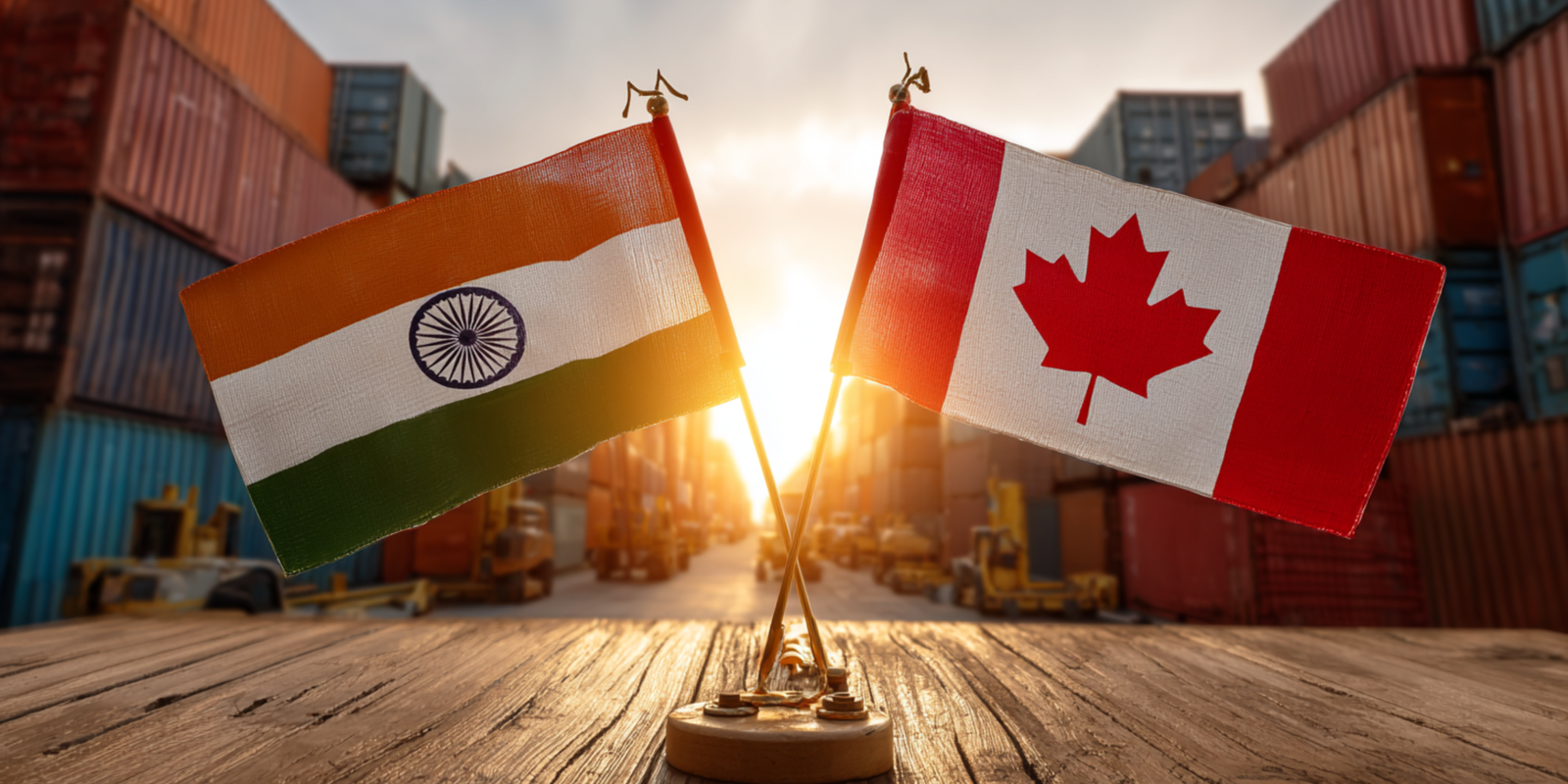
The air in a courtroom doesn’t smell like politics. It smells like old paper, floor wax, and the heavy silence of waiting. When the judges of the U.S. Court of International Trade sat down to weigh the legality of a 10% global tariff, they weren’t just looking at stacks of trade statutes or the ink-wet signatures of an administration. They were looking at the invisible threads that connect a vineyard in France to a dinner table in Ohio, and a microchip factory in Taiwan to a teenager’s backpack in Seattle.
The ruling came down like a sudden frost. The court declared the broad, sweeping tariffs unlawful. On paper, it was a victory for procedural limits. In reality, it was a massive exhale for millions of people who have never stepped foot in a courthouse but feel every tremor of the global economy in their checking accounts.
Consider Sarah. She doesn't exist in the legal briefs, but she exists in every zip code in America. Sarah runs a small boutique construction firm. For months, she has been staring at spreadsheets that refuse to make sense. If the price of imported aluminum goes up by 10%, her margins vanish. If she raises her prices, her clients—families trying to build their first homes—walk away. She represents the human collateral of trade wars. When we talk about "unlawful tariffs," we aren't just debating the finer points of Section 232 or Executive Order nuances. We are talking about whether Sarah can keep her three-man crew employed through the winter.
The court’s decision centered on a fundamental question of power. Does a president have the right to bypass the specific constraints laid out by Congress to impose a blanket tax on the world? The judges said no. They found that the administration overstepped, attempting to use national security justifications as a skeleton key to unlock every door in the global marketplace.
Trade is often treated as a game of Risk, played on a map with primary colors and plastic pieces. But the actual machinery is infinitely more delicate. It is a watch with ten thousand gears. When you drop a 10% tariff into those gears, you aren't just taxing a "foreign entity." You are taxing the American consumer. You are adding a dollar to the gallon of milk, fifty cents to the box of nails, and a hundred dollars to the laptop needed for remote school.
The administration’s argument was built on a foundation of strength. They claimed that a universal tariff would force manufacturing back to American soil, creating a fortress economy that owed nothing to no one. It is a seductive vision. Who doesn't want a thriving local factory? But the court reminded us that the law isn't a vision board. It is a set of rails. And the administration jumped the tracks.
The legal reality is that trade laws are designed to be surgical. If a specific country is dumping steel at a price meant to destroy American competitors, the law allows for a scalpel. You cut there, and only there. A 10% global tariff is not a scalpel. It is a sledgehammer swung in a dark room. You might hit the target, but you’ll definitely break the windows, the furniture, and the person standing behind you.
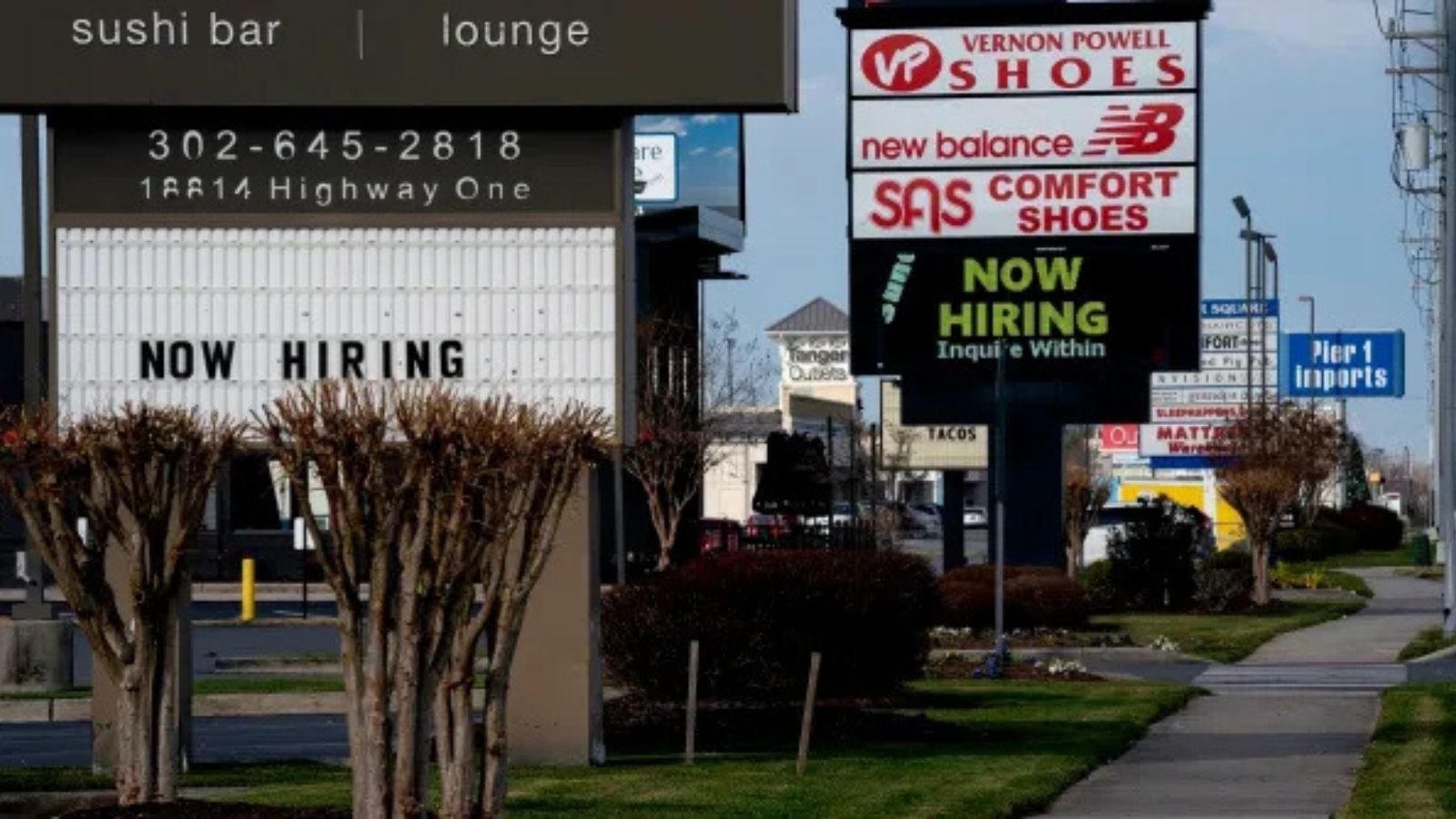
This ruling matters because it restores a sense of predictability. Business hates a vacuum, but it fears chaos even more. When a CEO or a small shop owner wakes up and doesn't know if the cost of their raw materials will jump by double digits based on a midnight post or a sudden memo, they stop investing. They stop hiring. They crouch.
The "human element" here is the restoration of the horizon.
Economists often use dry terms like "deadweight loss" or "price elasticity." These words are designed to scrub the blood and sweat off the data. Let’s use better words. Let’s talk about "anxiety." Let’s talk about the "buffer." Every family has a buffer—that small amount of money left over after the bills are paid. Tariffs eat the buffer first. They are a regressive tax that hurts the person with the least the most. A 10% increase on a luxury car is a rounding error for the wealthy. A 10% increase on the components of a heater is a crisis for a grandmother in Maine.
But the story doesn't end with a court order. The legal battle is a symptom of a much deeper identity crisis in the American psyche. We are caught between the nostalgic pull of self-reliance and the undeniable reality of our interconnected lives. We want the world to be simple again. We want to believe that we can pull up the drawbridge and still enjoy the fruits of the global garden.
The court’s ruling serves as a cold splash of water. It reminds us that we are a nation of laws, not of whims. It asserts that the complexity of our trade relationships cannot be hand-waved away by executive decree.
There is a specific kind of silence that follows a major court ruling. It’s the sound of lobbyists scrambling, of port authorities checking their manifests, and of retailers deciding whether or not to change the price tags on their shelves. For now, those tags will stay where they are.
The invisible stakes were always about more than just percentages. They were about the integrity of the system itself. If one person can unilaterally change the price of everything for everyone, then the "market" is no longer a place of exchange; it is a theatre of command. By striking down these tariffs, the court protected the market's role as a democratic space where value is determined by the people, not by the throne.
The path forward is messy. It involves actual diplomacy, grueling negotiations, and the slow, unglamorous work of building trade policy through the legislative branch. It is not as fast as a signature. It doesn't make for as good a headline. But it is the way a republic is supposed to function.
Sarah, our builder, can look at her spreadsheets tomorrow with a little more clarity. The storm hasn't passed—the global economy is still a fickle beast—but at least the rules of the game haven't been rewritten overnight. She can tell her crew that there’s work for another month. She can tell her clients that the estimate still holds.
Wealth isn't just a number in a bank account. It is the ability to plan for Tuesday on a Monday. It is the confidence that the ground won't shift beneath your feet because of a legal overreach.
The gavel has fallen. The paper is filed. The wax is dry. And out in the world, the ships keep moving, carrying the things we need, held together by a fragile, beautiful, and now legally protected web of commerce that no one person has the right to tear apart.