Pakistan is currently attempting to pull off the ultimate diplomatic heist. Under the direction of Army Chief General Asim Munir, Islamabad has shifted from a policy of passive survival to an aggressive, high-stakes brokering project between two of the world's most volatile antagonists: the United States and Iran. This "Munir Doctrine" is not born of a sudden desire for global peace. It is a desperate, calculated move to secure Pakistan’s financial future while the country sits on the edge of a total economic collapse. By positioning itself as the indispensable backchannel, the Pakistani military aims to trade its geopolitical relevance for cold, hard cash and sovereign immunity from Western sanctions.
The strategy rests on a single, precarious bridge. On one side, Pakistan needs the IMF and Washington to keep its economy from flatlining. On the other, it cannot afford a hot border with Iran or the loss of potential energy projects that could solve its chronic power shortages. Munir’s gamble is that he can make Pakistan too useful to ignore, acting as the primary friction-reducer in a region that is currently a tinderbox.
The Mechanics of the Backchannel
The traditional view of Pakistani foreign policy involves a binary choice between China and the United States. That view is dead. The new reality is a three-dimensional shell game where the military establishment uses its unique relationship with Tehran to gain leverage in Washington.
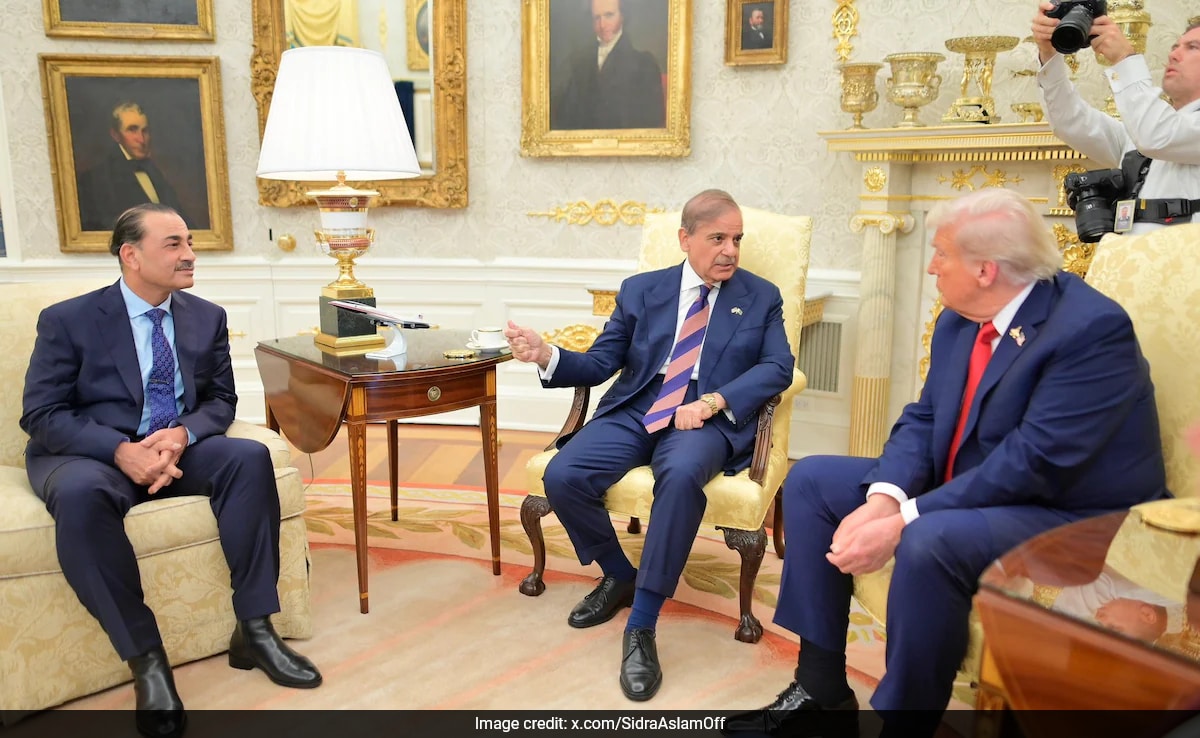
When General Munir visited Washington in late 2023, the public statements were filled with the usual platitudes about regional security. Behind closed doors, the conversation was far more transactional. Pakistan is selling its ability to "manage" Iran. This management involves cooling down border tensions when they threaten to spiral and providing a discreet line of communication that the State Department cannot officially acknowledge.
This brokering is not a mere diplomatic courtesy. It is an industry. The Pakistani military knows that the U.S. is increasingly distracted by Eastern Europe and the South China Sea. By keeping the Iran-Israel-U.S. triangle from exploding into a full-scale regional war, Pakistan positions itself as a low-cost security subcontractor. The "payment" for these services comes in the form of expedited IMF tranches, military hardware upgrades, and a quiet turning of the head regarding Pakistan’s internal political crackdowns.
The Energy Pipe Dream
The most visible manifestation of this brokering project is the Iran-Pakistan (IP) gas pipeline. For decades, this project has been the "white whale" of regional energy. Iran has completed its side; Pakistan has stalled for fear of U.S. sanctions.
Under the Munir Doctrine, the pipeline has been transformed from a liability into a bargaining chip. Islamabad is now telling Washington that if the U.S. does not provide massive energy subsidies or alternative investments, Pakistan will be forced to finish the pipeline to save its own industry. It is a classic "help me or I'll go to the other guy" maneuver.
The risk here is massive. If the U.S. Treasury Department decides to play hardball, the sanctions could bankrupt the few Pakistani banks still capable of international trade. Yet, the military believes they have found a "sanction-proof" middle ground. They are exploring barter systems and local-currency settlements that bypass the dollar-clearing system, essentially daring the U.S. to punish a "partner" that is simultaneously helping them manage the Iranian threat.
The Border Calculus and the Proxy War
Security is the primary currency of the Pakistani state. The recent exchange of missile strikes between Iran and Pakistan in early 2024 was seen by many as a breakdown of relations. In reality, it was a calibration.
Both sides were testing the limits of the other’s patience regarding militant groups like Jaish al-Adl and various Baloch separatist outfits. General Munir used the aftermath of these strikes not to beat the drums of war, but to reset the terms of engagement. By showing that Pakistan will strike back, he established a baseline of strength that makes his subsequent "brokering" more credible. You cannot be a mediator if you are seen as a doormat.
The internal logic is simple. Iran wants a stable eastern border so it can focus its resources on the "Axis of Resistance" in the Middle East. Pakistan wants a quiet western border so it can focus on its existential rivalry with India and its internal insurgency. Munir is pitching a "live and let live" pact to Tehran, sweetened with the promise of acting as Iran's unofficial lobbyist in the West.
The Economic Survival Mandate
Everything comes back to the balance sheet. Pakistan’s foreign exchange reserves have spent the last two years hovering at levels that would barely cover a month of imports. The military’s hand in the economy is no longer a "state within a state"—it is the state.
The Special Investment Facilitation Council (SIFC) is the vehicle through which this doctrine is monetized. By creating a military-led "one-window" shop for foreign investors, Munir is trying to bypass the legendary incompetence of Pakistan’s civilian bureaucracy. He is pitching to the Gulf monarchies—Saudi Arabia and the UAE—that Pakistan is the only stable pillar in a region of chaos.
The Iran brokering project is a crucial part of this pitch. If Pakistan can prove it can manage Tehran, it becomes a much more attractive partner for Riyadh. The Saudis want to de-risk their environment. If Munir can guarantee that Pakistani soil won't be used for Iranian proxy operations and that Islamabad can help mediate tensions, the "brotherly" investments will flow.
The High Cost of Neutrality
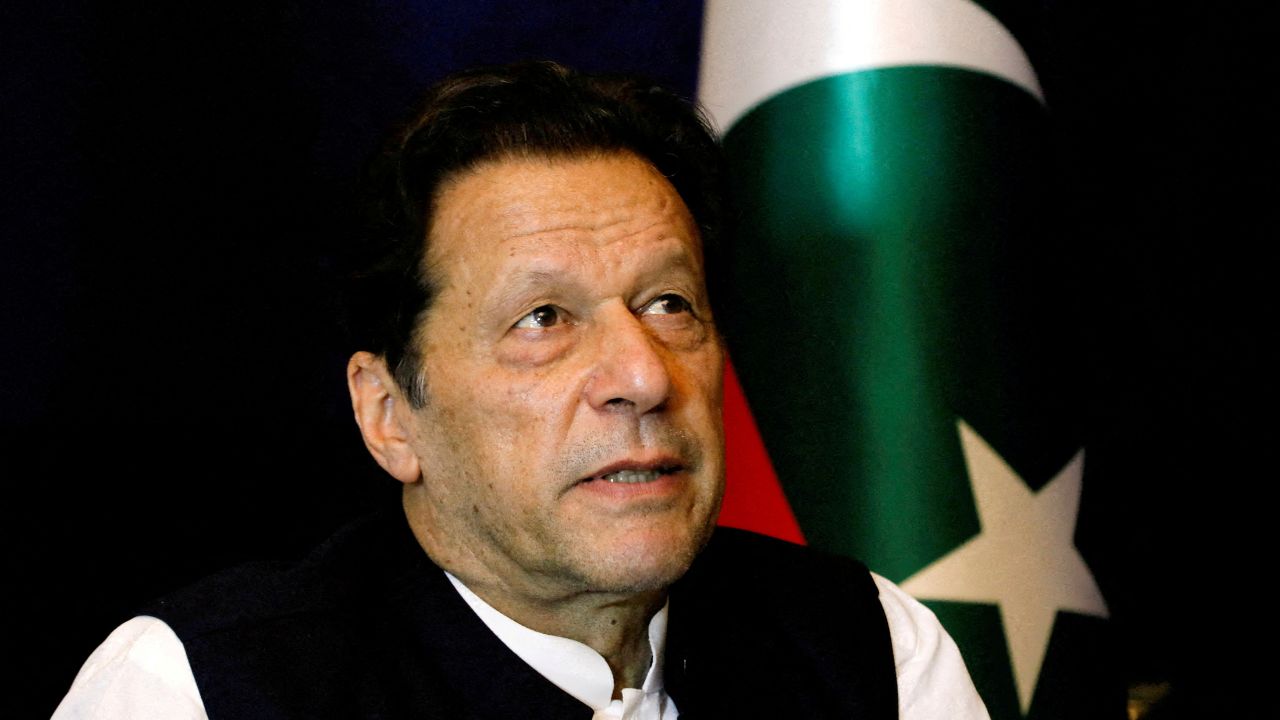
True neutrality is expensive. It requires a level of internal stability that Pakistan currently lacks. The civilian political landscape is fractured, with the most popular political figure in the country, Imran Khan, behind bars. This creates a legitimacy vacuum that the military is trying to fill with "geoeconomics."
The danger is that the Munir Doctrine relies on all external players acting rationally. If a hardline administration takes over in Washington, the "useful middleman" act might be viewed as "collusion with the enemy." If the hardliners in Tehran decide that Pakistan is too close to the Pentagon, they can activate proxy networks within Pakistan to destabilize the Sindh and Balochistan provinces.
Pakistan is walking a tightrope that is currently on fire. The military believes that its intelligence assets and its nuclear status make it "too big to fail." This is a dangerous assumption. The Soviet Union was too big to fail until it wasn't.
The Internal Pivot
To make the doctrine work, Munir has had to consolidate power more aggressively than any general since Musharraf. This involves a total crackdown on dissent and a restructuring of the media to ensure a unified "Pakistan First" narrative. The goal is to present a monolithic front to the world.
This internal tightening is the "hidden cost" of the brokering project. To be a reliable backchannel, the military must ensure there are no wildcards in the domestic political arena. This has led to an unprecedented level of censorship and judicial interference. The world is being asked to ignore the death of Pakistani democracy in exchange for a slightly more predictable Middle East.
The strategy also requires a fundamental shift in how the Pakistani public views its neighbors. For years, Iran was the "shia neighbor" to be viewed with suspicion. Now, the state-run narrative emphasizes "regional connectivity" and "common heritage." It is a PR blitz designed to provide domestic cover for the pivot.
The Fragility of the Win
If Munir succeeds, Pakistan becomes the Singapore of South Asia—a neutral hub where enemies come to talk and trade. If he fails, Pakistan becomes the Lebanon of South Asia—a playground for foreign proxies and a victim of terminal economic rot.
The current signs are mixed. The IMF remains hesitant. The U.S. remains skeptical. Iran remains opportunistic. Pakistan’s debt-to-GDP ratio continues to climb, and the interest payments alone are eating the country alive. The "brokering fee" Munir is trying to collect needs to be massive and it needs to arrive soon.
There is no "Plan B." The military has staked its reputation and the country’s solvency on this specific geopolitical play. They are betting that the world’s need for a middleman in the Middle East is greater than its desire to see a stable, democratic Pakistan. It is a cynical, cold-blooded calculation.
The problem with being a middleman is that you are often the first person both sides blame when things go wrong. Pakistan is positioning itself in the center of a crossfire, hoping that its presence alone will force both sides to lower their weapons. It is a role that requires perfect timing and zero mistakes. In the world of high-stakes intelligence and global diplomacy, "zero mistakes" is a standard that almost no one meets.
The Munir Doctrine is a masterclass in leveraging weakness. By highlighting how much damage a collapsed Pakistan could do to the region, the military is forcing the world to pay for its survival. This isn't diplomacy; it's a hostage situation where the hostage is also the negotiator. The only question that remains is how long the captors—the U.S., Iran, and the IMF—are willing to keep paying the ransom.
Every diplomatic win Munir scores is temporary. Every dollar injected is a stop-gap. The fundamental structural flaws of the Pakistani state—tax evasion, a bloated public sector, and a lack of export-oriented industry—cannot be solved by brokering deals between Washington and Tehran. You can't navigate a sinking ship forever, no matter how well you talk to the other captains in the harbor.
The clock is ticking on the Iranian pipeline, the IMF's patience is wearing thin, and the Pakistani public’s tolerance for "guided democracy" is at an all-time low. General Munir has placed his bets. The cards are on the table. The result will determine whether Pakistan emerges as a regional powerbroker or a cautionary tale of overextended ambition.
Islamabad is currently trying to sell a product—stability—that it does not actually possess. The buyer's remorse could be catastrophic.