The air in Caracas always smells faintly of exhaust, unburned gasoline, and the sweet, decaying crush of mangoes rotting on the sidewalk. When the electricity cuts out—which it does with the casual, rhythmic finality of a heartbeat stopping—the city plunges into a velvet-thick blackness that feels less like night and more like an eviction. In that dark, millions of people listen to the hum of the small, sputtering generators owned by the lucky few, wondering if today is the day the terminal collapse finally reaches their kitchen table.
Far away, in the quiet, climate-controlled corridors of Washington, D.C., maps are being unrolled across heavy mahogany tables. White House aides trace thick black markers over lines that represent ancient, rusted arteries of steel buried deep beneath the Orinoco mud. Days after the official announcement flickered across global ticker tapes—news that a suspended economic freeze was thawing, that Venezuelan crude was officially authorized to crawl back across the ocean toward American refineries—the real work began. The devil, as always, wears a hard hat and carries a ledger.
To understand what happens next, you have to look past the stock market reactions and the partisan shouting matches on cable news. You have to look at a rust-streaked tanker sitting idle in Lake Maracaibo, its decks covered in a fine layer of salt and neglect.
Carlos knows that tanker. He is a hypothetical amalgamation of three decades of institutional memory inside Venezuela’s state-owned oil enterprise, a man whose hands have known the permanent, stubborn stain of sweet crude since he was twenty-two years old. He remembers when those pipelines screamed with pressure, pushing millions of barrels a day toward the Gulf Coast of Texas, fueling SUVs and heating suburban homes through harsh winter storms.
Today, Carlos stands on a corroded catwalk, staring down at a valve that hasn't been turned since the sanctions slammed shut years ago. It is seized solid. Locked by rust, neglect, and a decade of institutional brain drain that saw the smartest engineers flee to Colombia, Chile, or Spain.
When the White House finally filled in the details of the new oil arrangement—clarifying percentages, treasury waivers, and strict compliance monitoring—they spoke in the crisp, antiseptic language of regulatory compliance. They talked about OFAC licenses, Chevron’s special exemptions, and targeted debt repayments. But regulations do not turn valves. Bureaucracy does not clear out the thick, viscous sludge that has hardened inside abandoned pipelines like cholesterol in a neglected artery.
The reality on the ground is a study in friction.
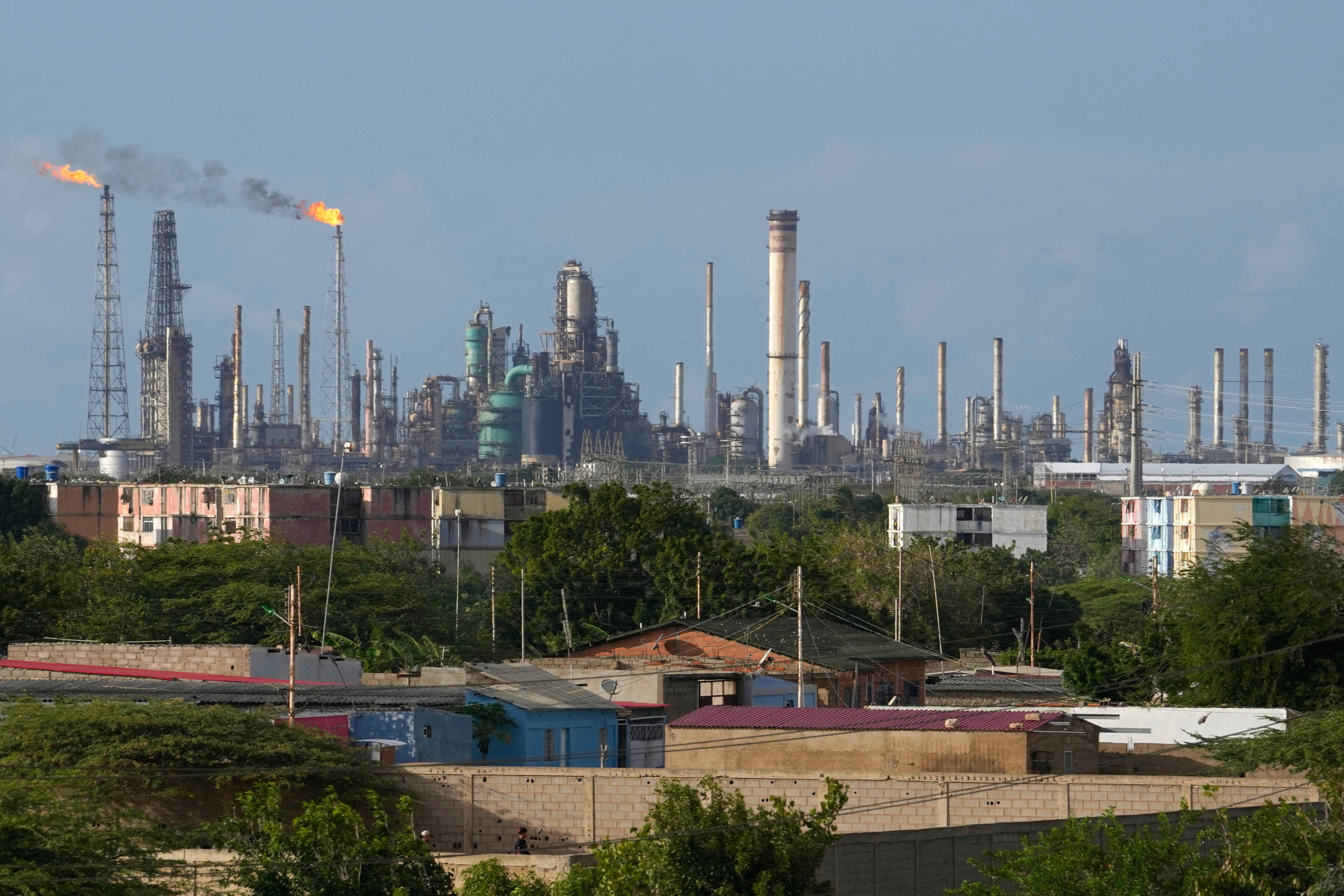
For years, the machinery of extraction was left to the elements. Without replacement parts, chemical inhibitors, or proper maintenance, the infrastructure began to eat itself. A pipeline is not a static straw; it is a living, breathing mechanical system that requires constant, obsessive attention. When you abandon it, it fights back.
This is where the grand strategies of geopolitics collide with the stubborn laws of physics. The White House wants stability. Washington needs to cool down runaway fuel prices at home, desperate to keep inflation from biting deeper into consumer confidence before an election cycle. They look south and see an ocean of black gold sitting right on America's doorstep, geographically closer and cheaper to ship than Middle Eastern alternatives. It is an irresistible temptation.
Yet, bridging the gap between a signed executive waiver and a steady stream of gasoline at a Florida pump is an engineering nightmare.
Consider the money. The new framework dictates that revenues from these oil sales cannot flow freely back into the coffers of a government accused of democratic backsliding. Instead, the cash is funneled into humanitarian funds, or used to pay down old debts owed to international service companies. It is a cage built of dollar bills, designed to allow the oil to flow while keeping the political risk tightly leashed.
But Carlos and his remaining crew do not care about the geopolitical architecture. They care about whether the replacement gaskets shipped from Houston will clear customs, or if the local substation will provide enough steady voltage to run the primary extraction pumps without blowing a transformer.
Every single barrel of oil that moves through this renewed pipeline carries a hidden weight. It is weighted with the hopes of families in Caracas who haven't seen a reliable paycheck in years, people who watch the price of a dozen eggs double every month while their currency dissolves into a cruel joke. They hear that the Americans are coming back, that the oil is flowing, and they ask a simple question in the bodegas and the bus stops: Where does the money go?
The answer is painfully complex. It trickles through a labyrinth of international escrow accounts, monitored by watchful eyes in foreign capitals, filtered through layers of bureaucracy designed to ensure that nobody with blood on their hands can pocket the windfall. It is money wrapped in straitjackets.
And yet, the pumps are starting to turn.
In the quiet predawn hours, long before the sun burns through the smog over the Caracas valley, a low, metallic vibration is beginning to echo through the soil. It is the sound of crude oil moving again. It is a slow, hesitant pulse, like a patient coming out of a medically induced coma, unsure if their limbs will obey commands.
The White House briefing papers are neatly filed away in briefcases. The ink on the new policy details is dry. But out there, in the heat and the humidity, the real story is just beginning to write itself in grease, sweat, and steel.
The ghost pipeline is awake. Whether it can save a nation, or merely feed an insatiable global hunger, remains to be seen in the dark.