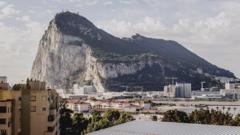
The mainstream media is throwing a party for the end of the Gibraltar border. They call it a historic triumph. They call it the dawn of shared prosperity. They are dead wrong.
For 118 years, the hard border between Gibraltar and Spain stood as a physical manifestation of sovereignty, a friction point that, while inconvenient, forced the Rock to build a fiercely independent, highly adaptable economic engine. Now, the cheerleaders of European integration are celebrating the removal of passport checks and the assimilation of Gibraltar into the Schengen zone.
They think freedom of movement is a victory. In reality, Gibraltar just traded its hard-won operational autonomy for a permanent seat at a table where Spain holds all the cards.
Removing those border controls does not solve a century-old geopolitical standoff. It merely shifts the battlefield from a physical checkpoint to a regulatory stranglehold.
The Lazy Consensus of Free Movement
The standard narrative from Brussels, Madrid, and naive local merchants goes like this: frictionless borders mean more tourists, an expanded labor pool from the Campo de Gibraltar, and a massive boost for local retail. It sounds great on a PowerPoint slide.
It collapses under the weight of basic economic reality.
Gibraltar thrives because it is different, not because it is integrated. Its corporate tax structures, financial services regulations, and gaming frameworks are designed to compete against the bloated, high-tax frameworks of continental Europe. When you dissolve a border, you don’t just let people walk across freely; you inevitably harmonize the regulatory environment that governs those people.
Spain has spent decades eyeing Gibraltar’s economic model with open hostility, frequently labeling it an unfair tax haven. By dismantling the border and pulling Gibraltar into the Schengen security perimeter, the UK and Gibraltar have handed Madrid the ultimate leverage. If Gibraltar refuses to align its tax policies or transparency standards with Spanish demands in the future, Madrid doesn’t need to close the gates anymore. They can simply clog the digital customs networks, implement aggressive bureaucratic audits at the port, or slow-roll Schengen database approvals.
The physical gate is gone, replaced by a digital chokehold.
The Illusion of the Expanded Labor Market
Let’s dismantle the argument that a fluid border fixes the Rock’s labor challenges.
Proponents point out that over 15,000 workers cross from Spain into Gibraltar every day to keep the hospitality, construction, and healthcare sectors running. They argue that eliminating the frontier queue creates a more reliable workforce.
Having spent years analyzing cross-border corporate structures, I can tell you exactly what happens when you remove friction from an economic disparity zone: the lower-cost jurisdiction cannibalizes the higher-cost one.
- Capital Flight: Gibraltar's retail and hospitality sectors operate on razor-thin margins due to high real estate costs on the Rock. With zero friction at the border, consumers will increasingly spend their cash in Spain, where dining, shopping, and services are significantly cheaper.
- Wage Suppression: A completely open border incentivizes businesses to rely permanently on commuting laborers who live in lower-cost Spanish towns like La Línea. This completely disincentivizes the development of local Gibraltarian talent and kills any momentum to build affordable housing infrastructure on the Rock itself.
- The Brain Drain Reverse: Why would a tech or gaming executive pay premium rent to live inside Gibraltar when they can live in a villa in Sotogrande and commute with zero hassle? The Rock risks turning into a sterile business park—empty at 6:00 PM—while its tax base slowly bleeds across the frontier.
Sovereignty Isn't Lost in a Treaty; It's Lost in the Details
The joint treaty frameworks suggest that Frontex—the European Border and Coast Guard Agency—will manage the entry points at Gibraltar’s port and airport. This is a transparent diplomatic fig leaf.
Frontex answers to the European Union. Spain is the relevant EU member state in this geographic zone. To believe that Spain will not exert operational control over who enters Gibraltar via Frontex data streams is a masterclass in geopolitical naivety.
Consider the mechanics of the Schengen Information System (SIS II). If Spain flags an individual or an enterprise as a security or financial risk, that data dictates whether they can enter the Schengen zone. Because Gibraltar is now inside that perimeter, Spain effectively gains a veto over who can visit, do business with, or access the Rock from international waters or airspace.
Imagine a scenario where a high-net-worth investor from a non-EU country wants to establish a fintech hub in Gibraltar. Under the old system, Gibraltar decided their entry. Under the new regime, if Madrid's digital systems flag that individual for any arbitrary regulatory reason, the Rock is locked out from hosting them.
The High Cost of Convenience
Is the old border annoying? Absolutely. Sitting in a hot car for two hours while a Spanish customs official meticulously inspects grocery bags is a miserable experience. But that friction served a vital macroeconomic purpose: it kept Gibraltar’s economy insulated and elite.
When doing business on the Rock requires navigating a hurdle, only high-value, highly resilient industries survive. That is why Gibraltar became a global titan in online gaming and insurance captive management. It wasn't because it was easy; it was because the difficulty forced the jurisdiction to be leaner, faster, and more innovative than its continental rivals.
By chasing the comfort of a frictionless border, Gibraltar is opening the door to mediocrity. It is trading its status as a fierce, independent economic fortress to become an administrative appendage of Andalucia.
Stop measuring geopolitical success by how fast a tourist can walk through a gate. Start measuring it by who controls the digital infrastructure behind that gate. Spain didn't lose the battle for the Rock; they just convinced Gibraltar to tear down its own walls.