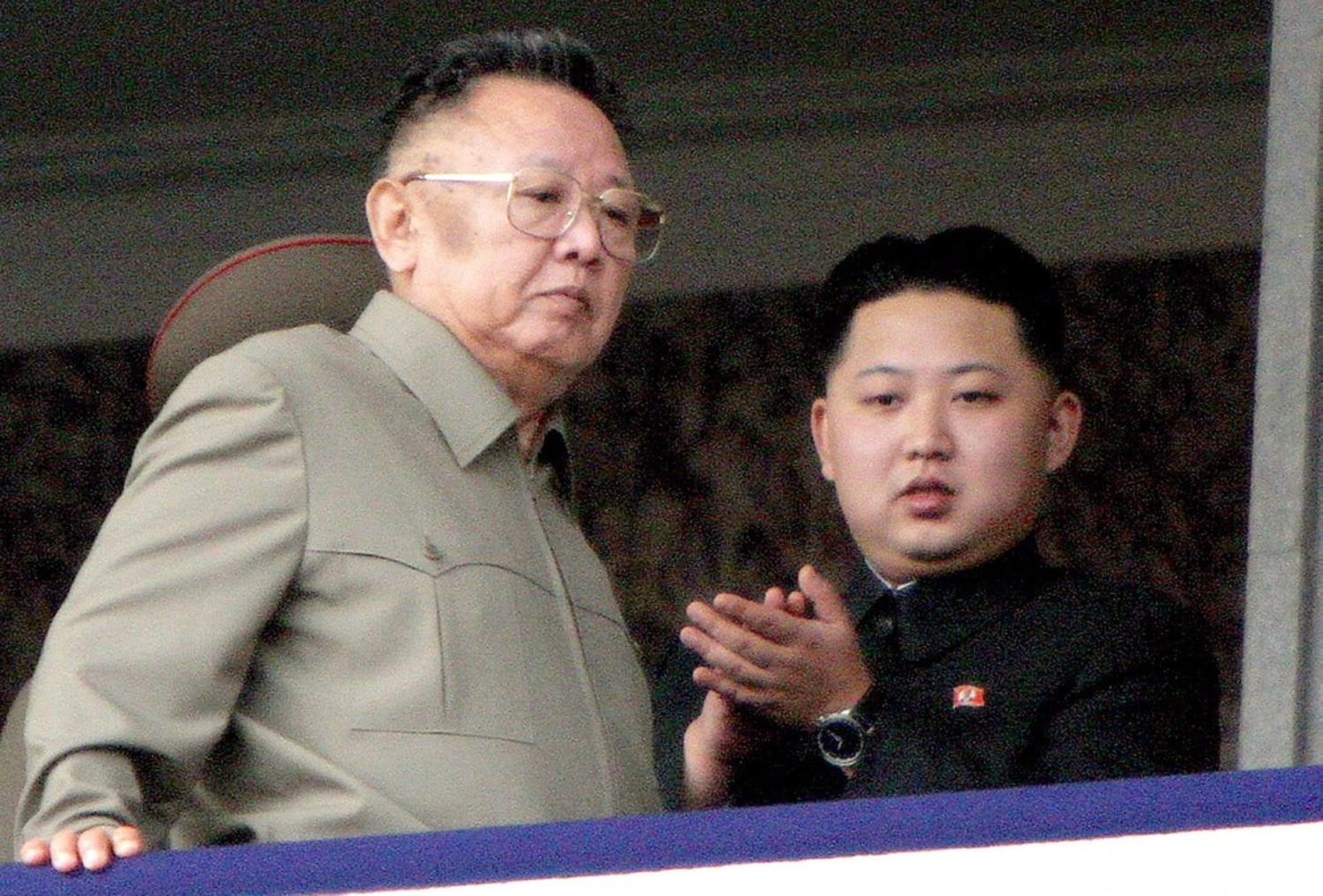
When the United States and Israel launched Operation Epic Fury on February 28, 2026, the initial shockwave looked like a decisive blow. A massive wave of 900 airstrikes in the first 12 hours decapitated Iran's leadership, killing Supreme Leader Ali Khamenei.
But decapitation didn't bring capitulation.
Instead, it triggered a multi-month regional wildfire. Iran shut down the Strait of Hormuz, choked global shipping, and launched massive missile retaliations across the Middle East. If Washington and Tel Aviv expected the world to fall in line behind their campaign for regime change, they miscalculated.
The global reaction hasn't been a unified chorus. It's a fragmented, self-interested scramble. Most countries aren't picking a team. They're trying to survive the economic fallout while quietly reshaping their own strategic chessboards.
The Arab Gulf States are Playing a Dangerous Double Game
No one has more skin in the game than the Gulf Cooperation Council (GCC) states. For years, countries like Saudi Arabia and the United Arab Emirates pushed for a harder line against Tehran's regional influence. Yet, when the bombs started falling, reality hit hard.
Iran's immediate counter-strategy was to make its neighbors bleed. Missiles and drones rained down on military bases and civilian infrastructure across Bahrain, Kuwait, Qatar, Saudi Arabia, and the UAE.
The UAE took the brunt of these attacks. In response, Abu Dhabi took a aggressive stance, launching its own retaliatory strikes into Iran and openly accepting direct Israeli air defense assistance.
Saudi Arabia, under Crown Prince Mohammed bin Salman, chose a different path. The Saudis refused to let the US use their airspace for offensive strikes against Iran before the war. They saw the writing on the wall: their massive economic diversification plans depend entirely on regional stability. You can't build futuristic mega-cities if ballistic missiles are buzzing overhead.
Riyadh has positioned itself as a cautious mediator, backing Pakistan-brokered ceasefire talks while maintaining a strict right to self-defense. They want Iran's wings clipped, but they don't want their own multi-trillion-dollar economic dreams turned to ash.
Europe Condemns the Outbreak of War but Refuses the Air Campaign
Europe's response highlights the growing divide between transatlantic rhetoric and actual military commitment.
When the conflict erupted, the UK, France, and Germany quickly issued a joint statement. They condemned Iranian counter-strikes and demanded an end to Tehran's nuclear program. But British Prime Minister Keir Starmer openly broke with Washington's political fantasy, stating flatly that he does "not believe in regime change from the skies."
The UK completely sat out the offensive strikes. Instead, the Royal Air Force confined its role to purely defensive operations, intercepting incoming missiles from bases in Cyprus and Qatar. While London allowed the US to use British bases for "specific and limited defensive purposes" to destroy missiles at their source, European capitals are deeply uncomfortable with the open-ended nature of the war.
Europeans face immediate domestic pain from this conflict. The closure of the Strait of Hormuz triggered a massive global energy crisis. Even with the International Energy Agency releasing 400 million barrels of oil to stabilize the market, energy volatility is hammering European voters.
China and Russia are Weaponizing the Strategic Stalemate
For Beijing and Moscow, the 2026 Iran war is a golden opportunity to tie Washington down in another Middle Eastern quagmire.
Neither country came out to fight for Iran, but their diplomatic maneuvering speaks volumes. When the UN Security Council passed a resolution demanding an end to Iranian attacks on Gulf shipping, both China and Russia abstained. They refused to give the US-led coalition a blank check or legal cover for a total naval blockade.
China's reliance on Middle Eastern crude means it needs the Strait of Hormuz open, but it prefers to let Washington pay the price for security. It was a last-minute push from Beijing that finally nudged Iranian leadership to accept the temporary ceasefire in April.
By positioning themselves as the adults in the room, China and Russia are winning points across the Global South. They are successfully framing the US and Israel as reckless actors breaking the international order.
The Economic Realities Driving the Global Push for Peace
The true driver of global neutrality isn't pacifism. It's absolute panic over the global economy.
The dual blockade in the Persian Gulf—where Iran blocks commercial transit and the US Navy blockades Iranian ports—has created the largest supply disruption in the history of the global oil market. The conflict has crippled the fertilizer, aviation, and tourism industries worldwide.
Look at the financial reality facing the United States. By mid-May, the Pentagon had already burned through $29 billion on this war, with the military requesting an additional $200 billion to maintain operations.
With US consumers already rethinking their spending due to inflation, the rest of the world sees a superpower spending itself into a corner for a war that has devolved into a bloody stalemate. Israel hasn't secured Iran's enriched uranium, the Islamic Republic hasn't collapsed, and the global supply chain is fractured.
If you are managing corporate supply chains or international investments, stop waiting for a clean victory from the US-Israeli coalition. The global consensus has shifted entirely toward containment and forced diplomacy. Diversify your logistics routes away from the Gulf immediately, hedge against prolonged energy volatility, and expect the Islamabad peace talks to drag on for months as Iran uses its remaining leverage in Lebanon to stall for economic concessions.