The coffee in the glass-fronted conference room overlooking the Fourth Ring Road of Beijing has gone cold. Across the polished oak table, two worlds sit in tense, immaculate silence. On one side, trade officials from Brussels adjust their ties, clutching leather folios stuffed with charts of diverging deficits. On the other, their Chinese counterparts lean back, the weight of a manufacturing titan sitting quietly on their shoulders.
Outside, the city hums with an electric urgency, millions of scooters buzzing past under a grey winter haze, carrying packages manufactured in sprawling industrial parks that stretch toward the horizon. Inside, the arithmetic is stark. The trade imbalance between the European Union and China has crossed a threshold where polite diplomacy curdles into quiet panic.
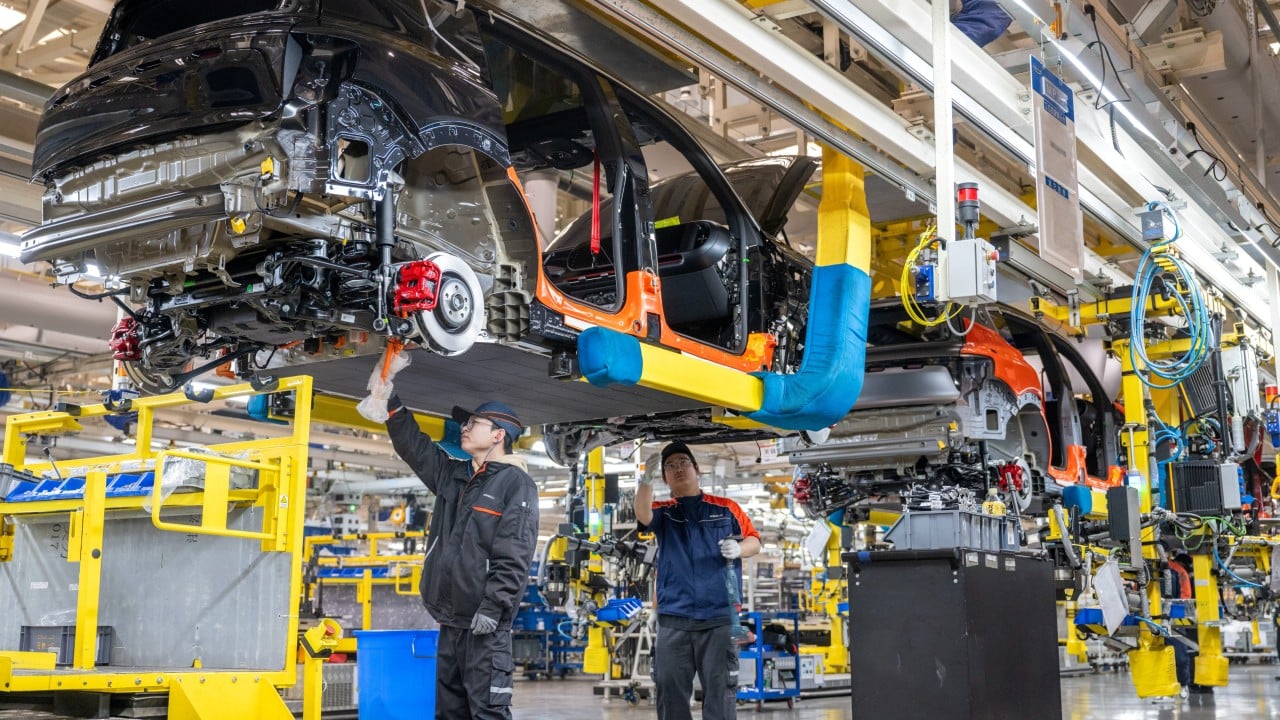
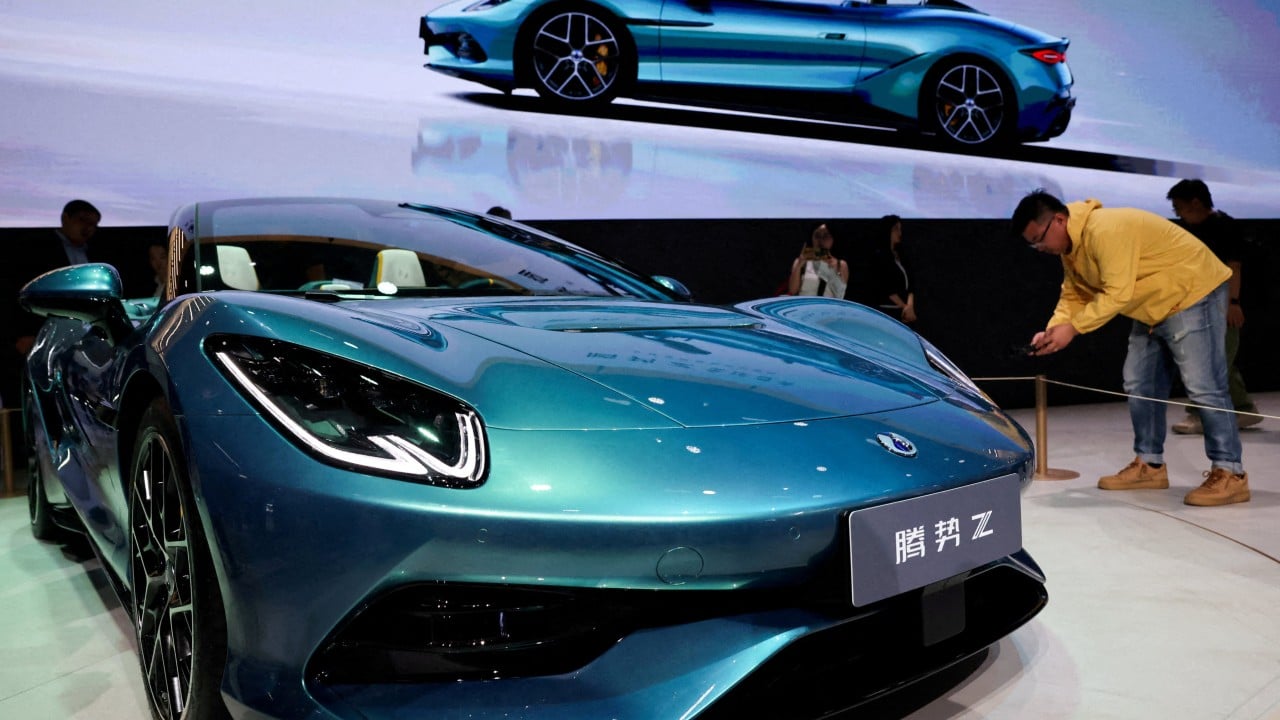
Consider the docks of Rotterdam. Day after day, colossal container ships dock, their bellies stuffed with electric vehicles, solar panels, and consumer electronics built with staggering efficiency. They unload cargo by the metric ton, only to return eastward riding remarkably high in the water, their holds largely empty. That physical asymmetry tells a story of an economic loop that has spun out of balance. Europe buys; China produces. Europe consumes; China accumulates surplus.
For years, this arrangement suited both sides. European consumers enjoyed affordable technology while European industrial giants profited from a booming Chinese middle class. But economic gravity does not negotiate. When one side of a scale outweighs the other by hundreds of billions of euros, the mechanics of global trade begin to groan under the strain.
Brussels has finally arrived with a demand that sounds less like a negotiation and more like an ultimatum. Fix the untenable.
To understand why this moment feels so heavy, walk through a fictionalized version of a workshop in Stuttgart, though its reality echoes across thousands of family-owned machine shops in Germany, Italy, and France. Herr Weber runs a third-generation factory that builds precision gearboxes for industrial automation. His grandfather founded it out of the rubble of postwar Europe; his daughter now handles the digital logistics. For decades, Weber’s shop was the heartbeat of European engineering.
Lately, the phone rings less.
It is not that Weber’s gearboxes have lost their legendary durability. It is that the market has shifted beneath his feet. Industrial buyers across the globe, and increasingly within Europe itself, are finding alternatives stamped with high-tech origins in Shenzhen and Zhejiang that arrive faster and cost a fraction of the price. Weber looks at his ledger, watches his energy bills climb due to a continent-wide scramble for alternative power sources, and watches his profit margins evaporate.
He is not alone. Across the European Union, policymakers look at industrial towns where chimneys no longer smoke and feel the cold breath of deindustrialization. They look at the numbers. The EU trade deficit with China ballooned past three hundred billion euros, a chasm that cannot be dismissed as a temporary market fluctuation. It is structural. It is systemic. It is political poison.
The trade enforcers who touched down in Beijing did not come with empty threats. They brought the newly forged instruments of economic defense. Anti-subsidy investigations into electric vehicles. Carbon border adjustment mechanisms designed to level a playing field tilted by cheap, coal-powered manufacturing. Foreign subsidy regulations meant to screen out state-backed acquisitions.
The message delivered behind closed doors was unambiguous. The current model, where Chinese industrial overcapacity floods European markets while European firms face a labyrinth of market access barriers, regulatory hurdles, and forced technology transfers at home, cannot hold.
Yet, Beijing sees a different ledger.
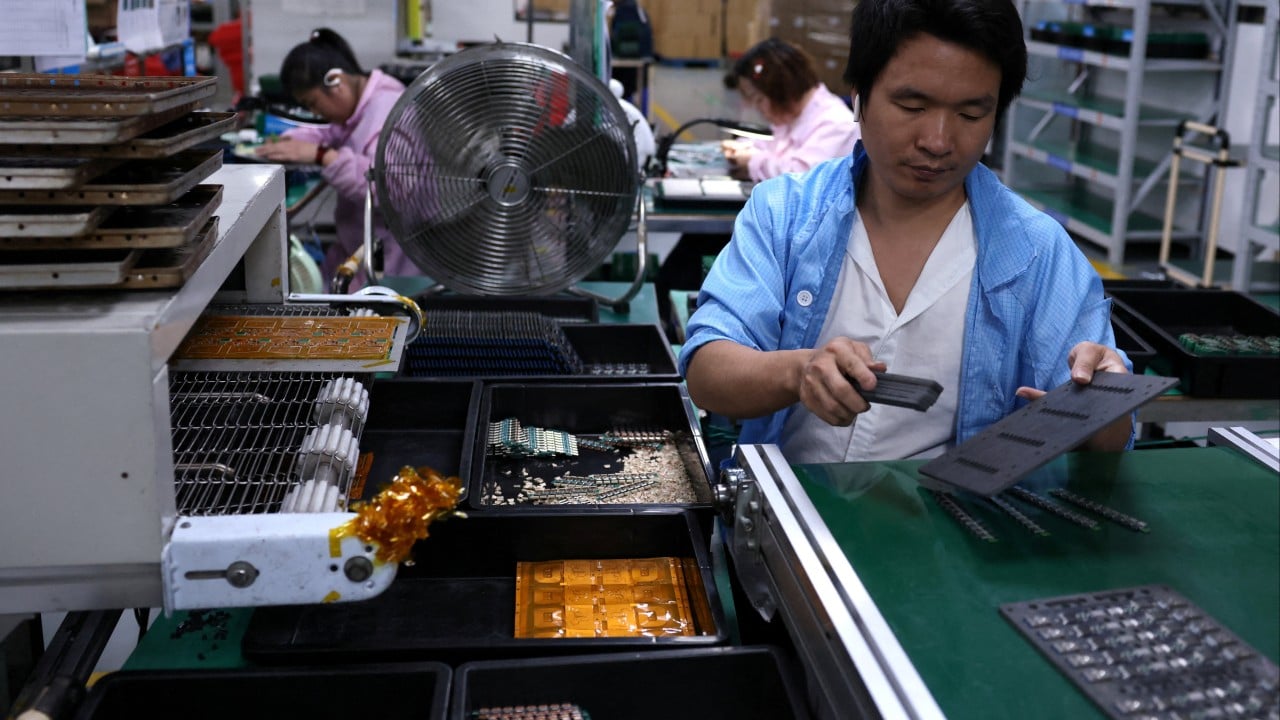
From the perspective of policymakers in the capital, China did not conquer global markets through unfair play alone. They did it through relentless, punishing discipline. While Western democracies argued over tax policy and regulatory red tape, China poured decades of capital, sweat, and engineering talent into building the most formidable manufacturing ecosystem the world has ever seen. They built the ports, paved the high-speed rail networks, trained millions of engineers, and secured the supply chains for critical minerals long before anyone else realized the game had changed.
To Chinese planners, the European outcry looks like protectionism disguised as principle. Why should Beijing apologize for out-competing the West in the industries of the future, such as green tech and electric mobility, simply because European legacy automakers were slow to pivot? Why should they dial back the factories that power their economic engine to bail out inefficient competitors abroad?
This is the immovable object meeting the unstoppable force.
When structural economic models collide like tectonic plates, the friction is felt by ordinary people. It is felt by the assembly line worker in Turin whose factory shift is cut to three days a week. It is felt by the young software developer in Guangzhou who watches international venture capital dry up as geopolitical tensions erect invisible walls across the digital economy.
The risk is not merely that trade tariffs will rise, or that cargo ships will face bureaucratic delays. The deeper hazard is a permanent decoupling, a slow-motion fracture of the global economy into rival blocs where innovation stumbles, prices rise, and cooperation gives way to permanent suspicion.
As the delegations break for lunch, the traffic outside the Beijing conference room thickens. The air smells of coal smoke, diesel, and winter dust. The trade enforcers from Europe know they cannot afford to back down without securing structural concessions that protect their industrial future. Their hosts know they cannot surrender the manufacturing dominance they sacrificed a generation to build.
The ledger remains open, the ink still wet, waiting to see who blinks first in a game where neither side can afford to lose.