You notice the absence before you notice anything else.
It starts on a Tuesday in late July. You are sitting on the back patio with a glass of iced tea, watching the afternoon heat shimmer off the paving stones. The backyard is bursting with color. The coneflowers are radiant. The lavender is heavy and purple. The rotting plum that fell from the neighbor's branch lies sweet and neglected near the fence.
By all rights, this should be chaotic.
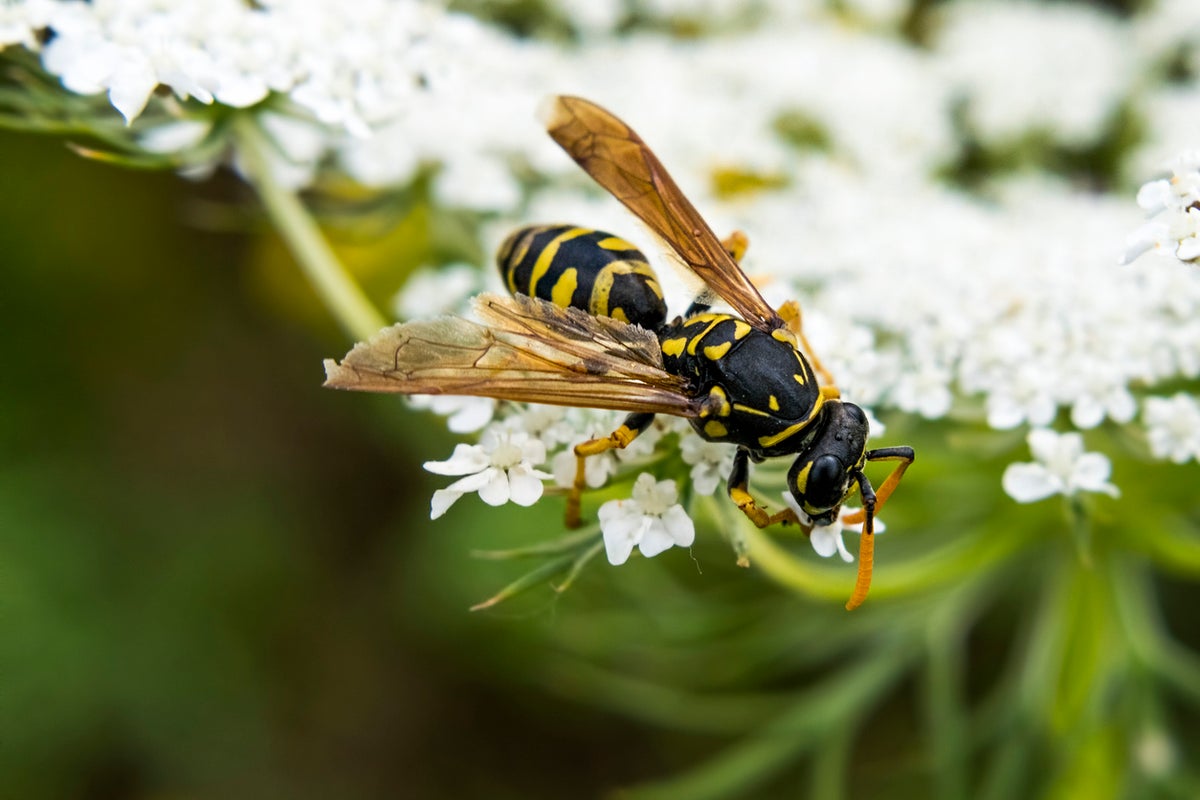
Normally, this is the season of aggressive navigation. You have to swat gently away from your iced tea, dodge the heavy-bodied yellowjackets patrolling the rim of the glass, and keep a wary eye on the wooden beams of the porch where papier-mâché nests swell by the day. This is the zenith of their year. The moment when the workers tear across the lawn with single-minded fury, hunting caterpillars, stripping wood pulp, demanding a tax on your picnic.
Instead, there is a hollow, ringing quiet.
The air is still. The plum sits untouched, its skin softening into a translucent amber, and not a single striped body descends to claim it.
People are asking the same anxious questions across neighborhood message boards and garden forums. Where did they go? Did the winter kill them? Is the neighborhood spray program finally working? We look for simple culprits because we crave simple villains. But the truth of the missing summer wasps is a much stranger, quieter story about climate whiplash, biological exhaustion, and the hidden threads holding our backyards together.
Consider what happens next when you dig into the data, moving past the garden gate to look at the macro picture. Entomologists across temperate zones have tracked a precipitous drop in social wasp populations over recent seasons, noting that what feels like a localized quiet is actually part of a sweeping ecological shift.
To understand why your deck feels so strangely empty right now, we have to look backward at the weather patterns that shaped their world months before you ever stepped outside with that glass of tea.
Wasps are weather historians. They live and die by the rhythm of the seasons, and this year, the rhythm stuttered.
(Note: To picture this, imagine an underground bunker carved into the dark, damp earth beneath your shed, where a single fertilized queen spent the long winter months in a state of suspended animation, waiting for the soil to warm.)
In a normal year, spring arrives like a slow crescendo. The ground warms gradually, plants awaken in an orderly sequence, and the queen emerges to build her first fragile comb, nursing her earliest brood of sterile female workers through a gentle transition. But this year featured a different script entirely. An unseasonal warm snap in early spring tricked the natural calendar, coaxing queens out of diapause weeks too early. They woke up hungry, desperate, and alone in a world that wasn't ready for them.
Then, the trap sprung.
A sudden, vicious late frost swept down from the north, locking the soil in ice and silencing the newly budding flora. The insects that the awakening queens needed to feed their first microscopic larvae simply did not exist. The flowers were frozen shut. The caterpillars were dead in their cocoons. Millions of queens, exhausted from their premature awakening, starved before they could lay a single egg.
The entire social structure of the summer colony collapsed before it ever had a chance to breathe.
We often forget that the creatures we find most annoying are the architects of our ecosystem's balance. When we talk about garden preservation, our minds leap instantly to honeybees. We plant butterfly bushes. We scatter wildflower seeds. We build elaborate wooden houses for solitary bees. We view bees through a lens of soft, romantic nostalgia—the fuzzy, golden harborers of sweet things.
Wasps do not get the romantic treatment. They do not make honey. They do not look like stuffed animals. They have a reputation earned through sharp stingers, sudden aggression, and an unfortunate habit of gatecrashing our backyard barbecues when late-summer sugar cravings hit.
Yet, treating wasps as mere pests is an ecological blind spot.
Walk through an unspotted orchard in the height of July and watch the foliage closely. While bees collect nectar, social wasps—like yellowjackets and paper wasps—are out on a brutal, unyielding search for protein. They are apex predators of the micro-world. A single active colony will harvest thousands of caterpillars, aphids, flies, and beetle larvae every single week to feed their hungry larvae back at the nest.
They are the neighborhood pest control crew, working silently for free.
Without them, populations of garden-destroying herbivores explode unchecked. This summer, gardeners are scratching their heads over decimated tomato plants and cabbage leaves chewed down to lace, wondering why their usual organic deterrents are failing. Part of the answer is sitting right there in the empty air: the predators have vanished from the food web.
There is a profound irony in how we respond to nature's fluctuations. When the mosquitoes multiply because there are no yellowjackets to hunt them in the twilight, we reach for chemical sprays. When the hornworms strip our prize tomatoes, we buy more pesticides, inadvertently wiping out the few resilient beneficial insects that managed to survive the weather shock.
We wage war on the symptoms while the underlying system unravels.
Beyond the garden, the disappearance of these insects sends ripples upward through the food chain. Birds that feed their nestlings soft-bodied insects find empty branches. Amphibians and small mammals lose a vital seasonal food source. The quiet on the patio is not a victory; it is a warning bell. It tells us that our local ecosystems are becoming too brittle, too vulnerable to the violent swings of a changing climate.
Standing on the back patio now, looking at the untouched plum on the ground, the silence feels different. It no longer feels peaceful. It feels heavy with consequence.
The yellowjacket is not a creature we are conditioned to mourn. We don't write poems about its paper nests or paint its sharp, predatory face on canvas tote bags. But as the afternoon shadows lengthen across the grass, the absence of its frantic, buzzing energy leaves a noticeable void in the natural machinery of the world.
Next time you pour a glass of iced tea on a warm afternoon and find yourself entirely unbothered, take a moment to listen to the stillness. The lack of conflict at your table is real. But the price of that quiet is being paid quietly in the shadows of the garden, where the web of life stretches just a little bit thinner than it did last year.