Greece is finally hitting back against the unchecked privatization of its coastline. For years, locals and travelers have arrived at famous Mediterranean shores only to find public sand completely swallowed up by endless rows of paid sunbeds. It's frustrating. It's expensive. Now, the Greek government is using drones, satellite data, and a dedicated mobile app to reclaim its beaches from illegal commercial operators.
The battle for the Greek coast isn't just about finding a free spot to lay your towel. It's a clash between aggressive tourism growth and basic public rights.
The Reality Behind the Greek Beach Crackdown
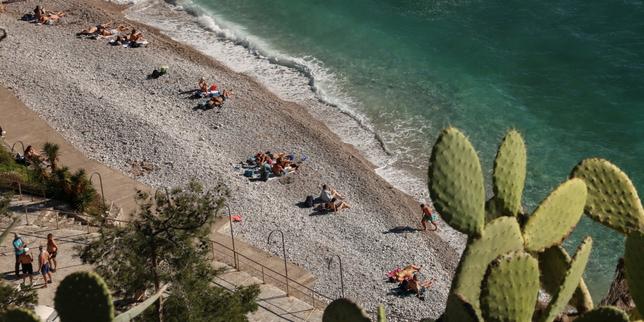
The Greek constitution states that the coastline is a public good. Everyone has the right to access it. Despite this, beach bars, luxury resorts, and restaurants routinely break the law by expanding far past their permitted zones.
Greece rolled out a strict legal framework to bring order to the chaos. The Ministry of National Economy and Finance introduced a new system that changes how beach concessions work. If you plan to visit Greece this year, you'll see the direct effects of these changes.
Under the current rules, beach concessions must be won through electronic auctions to ensure transparency. Operators can no longer lease an entire beach. At least 50% of any given beach must remain completely free of umbrellas and sunbeds. For ecologically sensitive areas, labeled as "untouchable beaches" or apanemnes paralies, commercial rentals are entirely banned.
The space restrictions are incredibly specific. Sunbeds must be placed at least four meters away from the shoreline. This ensures that people can still walk along the water without tripping over private property. Operators who violate these rules face massive fines and immediate closure.
How Technology is Hunting Down Illegal Sunbeds
Greece is relying heavily on digital surveillance to enforce these laws. The days of relying solely on busy local inspectors to check paper permits are over.
The government uses satellite imagery to compare actual beach setups with legally approved concession maps. Drones fly over crowded hotspots in Mykonos, Paros, Rhodes, and Corfu to spot operators who sneak extra rows of umbrellas onto the sand.
Regular citizens are also policed through their smartphones. The Greek government launched the "MyCoast" mobile application. When you stand on a Greek beach, you can open the app, locate your exact position via GPS, and view the authorized boundaries for any commercial business operating there. If you notice that a beach bar occupies double its legal space, you can file an official report through the app instantly.
During initial rollouts, this crowdsourced reporting system generated thousands of complaints within weeks. It forced authorities to shut down illegal operations on popular islands and issue fines totaling millions of euros.
The Fight for Free Sand
This legal shift didn't happen in a vacuum. It was sparked by a grassroots movement led by ordinary citizens.
The "Save Paros Beaches" movement, which quickly became known across Europe as the "Towel Movement," began when locals on the island of Paros grew tired of being priced out of their own seas. Beach bars were charging anywhere from 30 to over a hundred euros per day for a pair of sunbeds and an umbrella. Locals who couldn't or wouldn't pay were pushed to rocky edges or blocked from the water entirely.
Activists began marching with towels, occupying the private spaces, and demanding that authorities enforce existing laws. The movement spread rapidly to Naxos, Crete, and the Athenian Riviera. It forced the government to acknowledge that local communities were being pushed out by overtourism.
Finding a balance is tough. Tourism drives roughly a quarter of Greece's gross domestic product. Businesses argue that high-paying tourists expect premium amenities, private service, and comfortable beach setups. On the flip side, destroying the natural charm of the islands and alienating the local population destroys the very fabric of Greek hospitality.
What This Means for Your Next Trip
If you're planning a trip to the Greek islands, you need to adjust your expectations and adapt to the new coastal environment.
Look for the free zones. You don't have to pay a premium just to touch the water. Half of the beach area must be open for public use, so bring your own umbrella or micro-fiber towel.
Download the MyCoast app before you arrive. It gives you a clear picture of where you have every right to sit for free, helping you avoid aggressive staff who try to claim public sand as private property.
Support businesses that respect the rules. Look for eco-conscious beach setups that maintain wide gaps between umbrellas and keep away from the shoreline. By choosing compliant operators, you protect the Mediterranean coastline and support sustainable tourism that respects both nature and local communities.