Guinea-Bissau is holding its breath. A high-stakes constitutional referendum is reshaping the nation's political future, but the ghost of ousted leadership hangs heavy over the entire process. If you've been trying to make sense of what's happening on the ground, you need to look past the official talking points.
The military junta is pushing hard for massive structural changes. They want a system that hands immense executive control directly to the president. But this didn't happen in a vacuum. Let's look at the reality of why this vote matters. For a different view, check out: this related article.
Breaking Down the Proposed Changes
The constitutional overhaul proposes a sharp departure from the semi-presidential model that has defined the country's governance for decades. Under the draft text, the executive branch absorbs sweeping powers. The president would gain the authority to hire and fire the prime minister at will, chair the Council of Ministers, and single-handedly create or dissolve government ministries.
Parliament is also taking a massive hit. Lawmakers want to slash the number of parliamentary seats from 102 down to 65. Electoral constituencies are dropping from 29 to just 12. Critics argue this shrinks regional representation to a dangerous degree. Related insight on this trend has been provided by TIME.
Financial and residential hurdles for future presidential hopefuls are tightening up, too. Candidates must now prove continuous residency for five years and deposit a staggering 50 million West African CFA francs, roughly $90,000. That kind of financial barrier filters out grass-roots candidates immediately.
The Shadow of the Ousted President
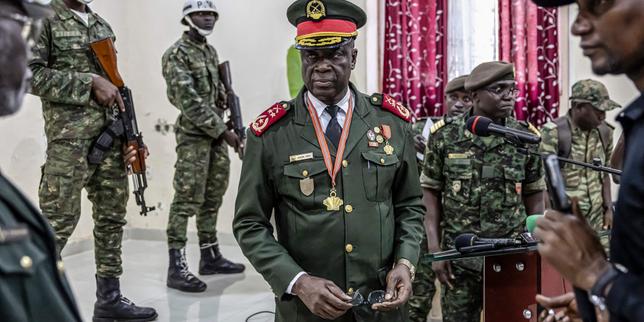
You can't talk about this referendum without addressing the November 2025 military coup. Former President Umaro Sissoco Embaló was forced out of power just as the national electoral commission was preparing to announce presidential results. General Horta Inta-A Na Man stepped in as transitional president, setting the stage for this very vote.
Many political analysts and civil society groups see deep connections between the current military leadership and the ousted administration. Embaló spent years bypassing parliament, dissolving legislative bodies, and ruling through loyalist circles. Observers worry this new constitution is basically a legal vehicle designed to institutionalize those exact authoritarian tendencies under a thin veneer of democratic legitimacy.
Opposition figures and local activists have faced severe crackdowns. Street protests have been blocked by military forces, and political dissent carries severe real-world risks. When civil society leaders get sidelined, the democratic check-and-balance system stops working.
What Happens Next
The referendum paves the way for scheduled presidential and legislative elections. Yet, the credibility of those upcoming polls remains highly questionable. International bodies like the United Nations are keeping a very close watch on developments, urging restraint and adherence to basic legal norms.
If you want to track how this transition unfolds, don't just rely on surface-level headlines. Watch how local courts operate, monitor reports from regional human rights monitors, and check official updates directly through outlets like Al Jazeera or analytical briefs from the Africa Center for Strategic Studies. The outcome here will dictate West African political stability for years.
UN voices concern after Guinea-Bissau military ousts President
This video provides background on the military takeover that preceded the current constitutional referendum.