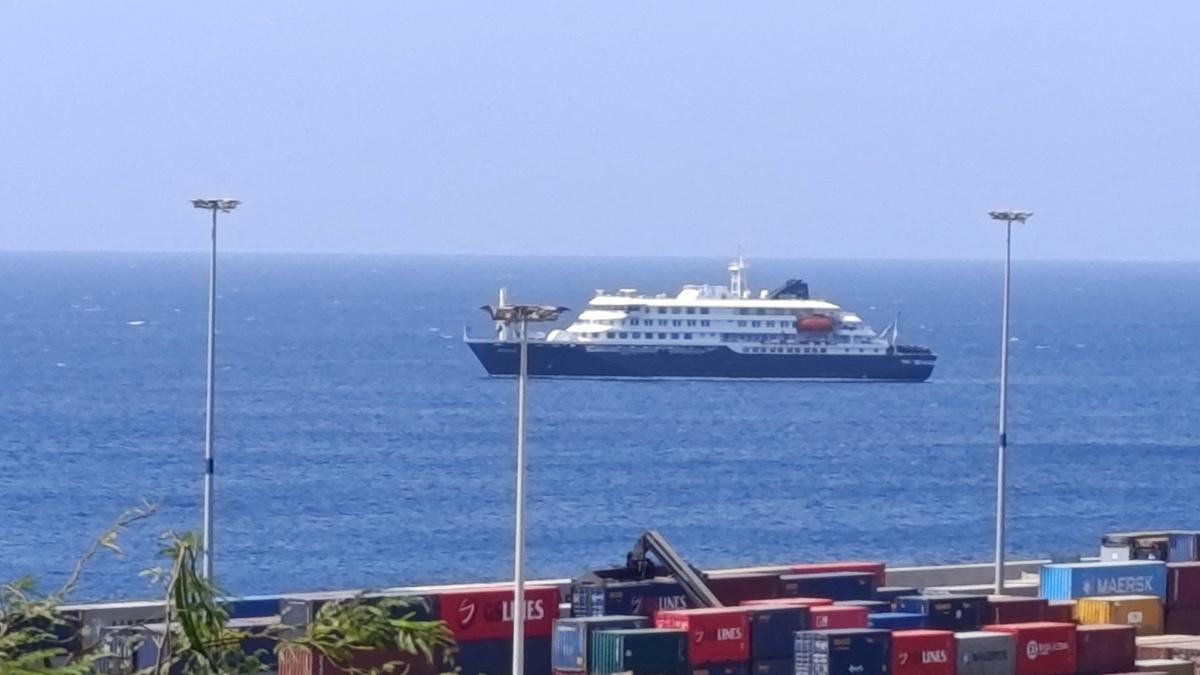
Panic sells, but the truth about the recent hantavirus headlines is a lot more contained than you'd think. While news of suspected cases in Alicante, Spain, and the remote island of Tristan da Cunha sounds like the start of a thriller, the reality is a story of a single cruise ship and a very specific, rare strain of virus. We aren't looking at the next global lockdown. We’re looking at a logistical nightmare for a few hundred people who chose the wrong time to take a luxury expedition.
The current situation stems from the MV Hondius, a Dutch-flagged vessel that left Argentina in March. Since then, the virus has followed the ship's path like a shadow. As of May 9, 2026, health officials have confirmed six cases and are tracking several others. Three people have already died. These aren't just random occurrences; they're directly tied to a cluster that started at sea.
Tracking the Alicia and Tristan cases
In Spain, a 32-year-old woman in Alicante is under the microscope. Her story is the one that really gets the "airplane transmission" theorists talking. She wasn't even on the cruise. She was simply sitting on a plane behind a Dutch woman who had contracted the virus on the MV Hondius. That Dutch passenger later died in Johannesburg. Spanish health authorities, led by Secretary of State Javier Padilla, are being transparent about the "brief contact" during the flight. It’s a nerve-wracking wait for the test results, but it’s a specific, traceable link.
Then there’s Tristan da Cunha. This is the most remote inhabited archipelago in the world. Having a suspected hantavirus case there is like finding a needle in a haystack—and then finding out the needle was delivered by a very specific mail truck. A British man on the island, who had been a passenger on the Hondius when it stopped there in mid-April, is currently in isolation. He started with diarrhea and moved to a fever. The UK Health Security Agency is on high alert because the resources on such a remote island are, frankly, thin.
The Andes virus makes this different
Most hantaviruses are a "dead-end" for humans. You catch it from rodent droppings, urine, or saliva, and that’s it—you don't pass it to your neighbor. But the strain identified in this outbreak is the Andes virus. This is the black sheep of the hantavirus family. It’s the only variant known to allow limited human-to-human transmission.
- How it spreads: It requires close, prolonged contact. Think sharing a cabin, sitting inches away on a long-haul flight, or caring for a sick relative.
- The fatality rate: It's scary. In the Americas, hantavirus pulmonary syndrome can have a mortality rate of up to 50%.
- The symptoms: It starts like a bad flu—headaches, muscle aches, and stomach issues. Then, it pivots. Your lungs fill with fluid, and you can’t breathe.
The World Health Organization (WHO) is staying calm. Anais Legand, a technical officer for viral threats, says the risk to the general public remains low. The virus doesn't hang in the air like a cold; it’s clunky and hard to catch unless you’re right in the line of fire.
What happens when the ship docks
The MV Hondius is currently steaming toward Tenerife in the Canary Islands. It’s expected to dock on Sunday. This is where the real work begins. There are 147 people on board who have spent weeks in a floating petri dish. Health officials in Spain are readying a screening process that looks more like a military operation than a port arrival.
If you’re worried about catching this at the grocery store, don't be. Unless you were on that ship or sitting in the "hot zone" of specific flights from South Africa or St. Helena, you’re basically safe. The authorities aren't hunting for a ghost; they're following a paper trail of passenger manifests.
Immediate steps for travelers
If you’ve been in the South Atlantic or on an expedition cruise recently, monitor yourself. This isn't the time to "tough out" a fever.
- Watch the calendar: Symptoms take 1 to 6 weeks to show up. If you were near the MV Hondius route in April, you’re still in the window.
- Check your gut: Early hantavirus looks like food poisoning. If you have nausea and a fever after being in these areas, tell a doctor about your travel history immediately.
- Avoid the rodents: In general, keep your distance from wild rodents and their nesting areas, especially in the Americas. This is still the primary way hantavirus enters the human population.
The Alicante and Tristan da Cunha cases are outliers of a contained event. We're seeing the "long tail" of an outbreak, not the start of a new one. Wash your hands, stay informed, and let the epidemiologists do the heavy lifting in Tenerife.