The tarmac at Heathrow always smells the same. It is a sharp, metallic mix of jet fuel and damp British air, a scent that triggers a lifetime of muscle memory for a man who spent his youth stepping out of fuselages into a wall of clicking shutters. But these days, the descent involves a different kind of tension. The air feels heavier. The space between the aircraft door and the armored vehicle waiting below has grown infinitely wider, fraught with an invisible, suffocating static.
A father stands at the window, looking down. He is not thinking about titles, protocol, or the endless chatter of the morning tabloids. He is thinking about a perimeter. He is calculating distances, response times, and the vulnerability of two small children who bear his eyes but have never known the peculiar, claustrophobic reality of his birthright.
Prince Harry wants to bring his family home this month. Not for a holiday, not for a glossy photo opportunity, but because a man’s relationship with his homeland is a stubborn, aching thing that cannot be simply amputated, no matter how sharp the scalpel. Yet, beneath the headlines detailing travel schedules and royal itineraries lies a deeper, raw human struggle. It is the story of a man caught between the duty of memory and the primal instinct of protection.
The Ghost in the Rearview Mirror
To understand why a trip across the Atlantic requires the logistical planning of a minor military operation, one has to look past the wealth and the privilege. Strip away the titles, and you are left with a fundamental human truth: trauma changes the way a person sees the world.
Imagine a boy of twelve walking behind a gun carriage, his eyes fixed on the pavement while the world watches his grief through a telephoto lens. That boy grows up. He becomes a soldier, tracking threats in the dust of Helmand Province, learning to scan the horizon for improvised explosive devices. Then, he becomes a father. The threats do not vanish; they merely shift shape. They become anonymous digital vectors, paparazzi on motorized scooters, and the volatile unpredictable underbelly of intense global fame.
When the British government stripped Harry of his automatic, state-funded police protection upon his stepping back from official duties, it was treated by many as a bureaucratic technicality. A simple matter of status. If you are not a working royal, you do not get the royal shield.
But for Harry, that shield was never a perk of the job. It was the only reason he felt safe enough to breathe in his own country.
The current standoff involves the Executive Committee for the Protection of Royalty and Public Figures, known by its acronym, RAVEC. The legal battles have been long, dry, and expensive. The public sees a wealthy prince arguing over security details, demanding a level of protection that ordinary citizens could never dream of. The prevailing narrative suggests entitlement.
The reality inside the camp is entirely different. It is driven by an acute, lived awareness of how quickly a crowd can turn, how easily a security lapse can become a tragedy, and how a lack of official intelligence sharing leaves a family blind in a high-risk environment. Private security guards, no matter how highly trained or well-compensated, do not possess the legal authority to carry firearms on British soil. They do not have access to real-time state intelligence networks. They cannot clear a path through London traffic when a situation deteriorates. They are, in essence, highly paid observers in a country where the threat level against the Duke and Duchess has been documented by former counter-terrorism officials as thoroughly real.
The Cost of the Clean Break
Consider what happens when the ties that bind a person to their birthplace are systematically unraveled.
When the Sussexes relocated to California, the promise was one of freedom. Sun-drenched afternoons in Montecito, space to breathe, and a life outside the rigid confines of the institution. For a while, the distance offered a buffer. The Pacific Ocean is a vast piece of territory to put between yourself and your past.
But geography cannot heal a fractured sense of belonging.
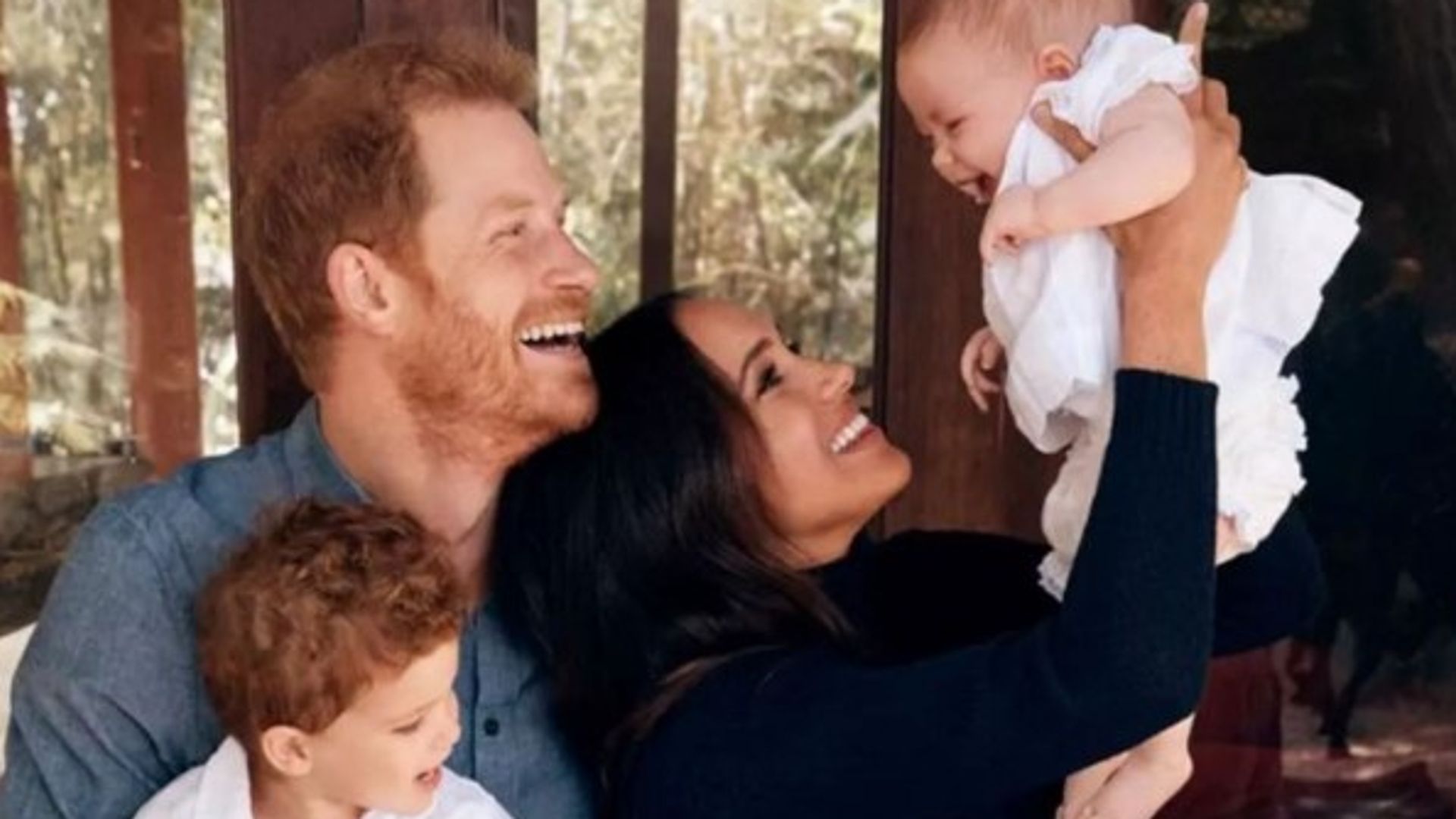
The UK remains the soil where Harry's roots are buried. It is where his father, the King, faces his own profound health battles. It is where his charities operate, where his old friends live, and where he wants his children, Archie and Lilibet, to understand the heritage that belongs to them by blood.
He remains determined to bring them over this month. That determination is not an act of defiance; it is an act of longing. A father wants to show his children where he grew up. He wants them to hear the specific cadence of British voices, to see the green of the English countryside, to know their grandfather.
Yet, the logistics of a simple family visit have become a high-stakes chess game. Every move is scrutinized. Every request for security assistance is viewed through a political lens. The British public, navigating its own economic hardships, often has little patience for the anxieties of an exiled prince. The commentary is fierce, often cruel, painting the security demands as a diva-like tantrum rather than a security necessity.
This creates a terrible paradox. To stay away is to accept a permanent exile, allowing the distance between a father and his extended family to grow until it becomes an unbridgeable chasm. To return without adequate protection is to gamble with the safety of his wife and children, a risk that Harry, given his personal history, is psychologically incapable of taking.
The High Price of Living Unprotected
What does it actually mean to move through the world with a high threat profile but without the backing of the state?
Let us step outside the royal context for a moment to understand the mechanics of fear. When an individual is subject to a sustained campaign of extremist threats, security is not about comfort. It is about predictability. It is about knowing that the route from the airport has been swept, that the venue has a secure egress point, and that local law enforcement is briefed and ready to intervene at a moment's notice.
Without RAVEC’s full endorsement, a visit to the UK becomes a series of compromises. The family must stay in highly specific, fortified locations. Their movements must be severely restricted. They cannot engage in the casual, spontaneous activities that make a family trip meaningful. There are no walks through the park, no unannounced visits to local landmarks, no moments of ordinary life.
Instead, the visit becomes an exercise in containment. The children are moved from secure zone to secure zone, shielded behind tinted glass, living a life that feels more like a gilded house arrest than a homecoming.
This month’s planned visit is a crucial test of whether a middle ground can be found. It is an attempt to see if the British state can look past the political noise and recognize the human reality of a family that requires protection, not because of their current job descriptions, but because of the permanent target painted on their backs by history and birth.
The legal arguments will continue to grind through the courts, filling pages with dry legalese about protocols, precedents, and funding allocations. But the real story is not happening in a courtroom. It is happening in a quiet room in California, where a man looks at a calendar, checks the security briefings, and tries to figure out how to be both a loyal son to his homeland and a protective shield for his children.
The walk from the airplane to the car will always be long. The shutters will always click. The only question left is whether, when the door closes, the man inside will feel like he has finally come home, or if he will realize that the place he once belonged has become the most dangerous place on earth for the people he loves.