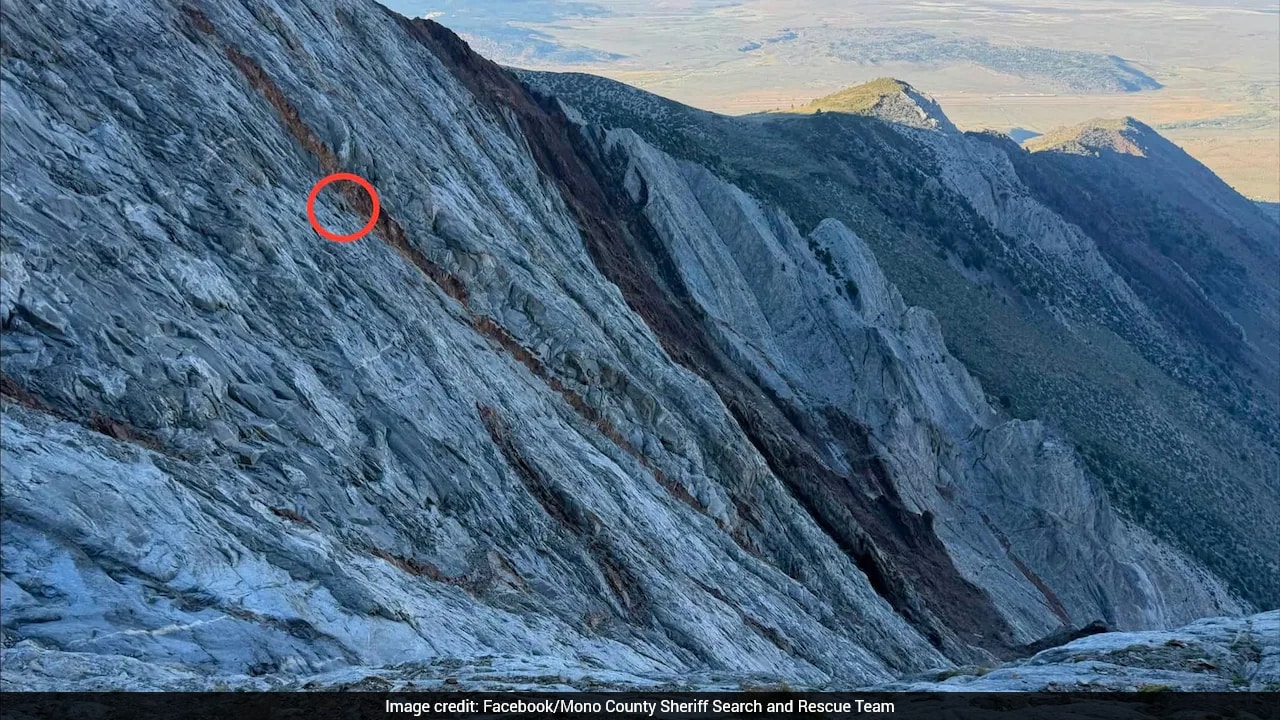
Vertical wilderness extraction operations represent low-frequency, high-consequence system failures where human physiological limits intersect with mechanical constraints. When a mountaineer becomes immobilized on a restricted footprint, such as a six-inch spatial margin in steep alpine terrain, standard emergency response protocols break down. Traditional ground-based search and rescue teams face exponential time penalties as terrain grade increases, forcing a reliance on specialized aviation assets. Understanding why these incidents escalate from localized miscalculations into multi-agency tactical emergencies requires deconstructing the operational variables that govern high-altitude extraction.
The Operational Failure Matrix
Alpine immobilization events are rarely isolated occurrences; they are the terminal output of compounding miscalculations across three distinct vectors: environmental degradation, physiological decline, and tactical isolation.
- Environmental Phase Change: Weather windows in mountainous regions operate on compressed timelines. A routine ascent degrades rapidly when wind vectors shift, inducing accelerated convective cooling and precipitating hypothermia. On a restricted ledge, spatial confinement prevents the victim from engaging in the physical movement required to generate metabolic heat, accelerating core temperature loss.
- Physiological Bottlenecks: Sustained immobility under thermal stress induces peripheral vasoconstriction and localized muscle fatigue. When a subject is pinned to a narrow structural shelf, postural management consumes finite cognitive and physical reserves, leading to acute exhaustion within hours rather than days.
- Tactical Isolation: Communication degradation compounds extraction delays. Standard cellular signals fail in deep vertical relief bowls, requiring line-of-sight radio repeaters or satellite-based emergency position-indicating radio beacons to bridge the telemetry gap between the subject and the dispatch coordination center.
The Cost Function of Vertical Extraction
Deploying emergency resources to a technical vertical environment involves a strict economic and logistical cost function. Incident commanders must calculate risk versus gain under severe resource scarcity.
$$R_{total} = C_{aviation} + T_{delay} + P_{risk}$$
The variables governing this function dictate operational parameters:
- Aviation Cost ($C_{aviation}$): Rotary-wing assets operating above six thousand feet face density altitude penalties. Thin air reduces rotor lift efficiency, limiting payload capacity, hover stability, and fuel endurance. Precision hovering in turbulent mountain rotors requires dual-pilot synchronization and specialized hoist mechanics.
- Time Delay ($T_{delay}$): Ground teams transit vertical terrain at fraction-of-a-mile-per-hour paces. Every hour of delay increases the metabolic expenditure of the subject and narrows the viable medical window for trauma or environmental injury management.
- Personnel Risk ($P_{risk}$): Night operations compound the hazard profile for rescue technicians. Operating hoist cables in zero-illumination environments or through unpredictable wind shear transforms a rescue mission into a potential multi-casualty incident.
Tactical Execution of Night Hoist Operations
When daylight and weather constraints force a nocturnal extraction from a constrained spatial footprint, tactical precision must replace visual redundancy. The mechanics of a night hoist involve several discrete operational stages that demand exact synchronization between the aircraft crew and ground-based or cliff-side safety riggers.
The primary constraint is spatial geometry. A six-inch ledge eliminates the margin for rotor wash displacement error. Rotor wash creates turbulent back-blasting against vertical rock faces, destabilizing both the aircraft and the subject. To mitigate this, pilots utilize localized rock projections as aerodynamic baffles or execute precise single-skid placements where structural integrity permits, though hoisting remains the preferred vector for sheer-face extractions.
The hoist operator relies on night vision goggles to manage the winch cable, balancing descent velocity against pendulum oscillations induced by downdrafts. The rescue technician deployed on the cable must manage spatial orientation while spinning on the line, executing a direct-contact interception with a subject who possesses zero mobility. Securing the subject into a rescue triangle or harness requires physical contact in high-stress environments where a miscue results in a secondary fall.
The Mechanics of Decision-Making Under Uncertainty
Incident management during high-altitude rescues operates on incomplete telemetry. Responders must frequently act on the initial ping of a beacon or a garbled voice transmission relayed through third parties.
Structured triage protocols in these scenarios diverge from standard mass-casualty paradigms. The priority shifts from rapid transport to stabilization-in-place if the extraction window closes. If nightfall or an approaching storm system grounds aviation assets, ground teams must establish a bivouac on or near the hazard zone to deliver thermal barriers and intravenous fluids, delaying extraction until atmospheric stability returns.
This dynamic introduces the concept of operational creep, where the scope of the mission expands dynamically as new constraints emerge. A rescue designated as a rapid extraction can transform into a multi-day technical rope-rigging operation if mechanical hoist failures occur or if the subject's injuries preclude vertical suspension without specialized spinal immobilization gear.
Strategic Resource Allocation for Future Alpine Operations
Mitigating the systemic risks inherent in vertical extractions requires shifting from a reactive rescue model to a predictive risk-management framework. Jurisdictions managing high-traffic alpine corridors must implement real-time micro-meteorological monitoring stations at critical choke points to provide early warning indicators of localized weather inversions and wind shear events.
Emergency response agencies should prioritize cross-training between tactical aviation units and alpine technical rescue teams to reduce integration friction during high-stress deployments. Standardizing hoist communication protocols and upgrading night-vision sensor suites across regional aviation fleets will compress deployment response times and expand the envelope of viable operational conditions.
The ultimate metric of success in high-altitude rescue is not merely the retrieval of a subject from a compromised position, but the preservation of responder safety margins through rigorous mechanical planning and disciplined resource allocation.


