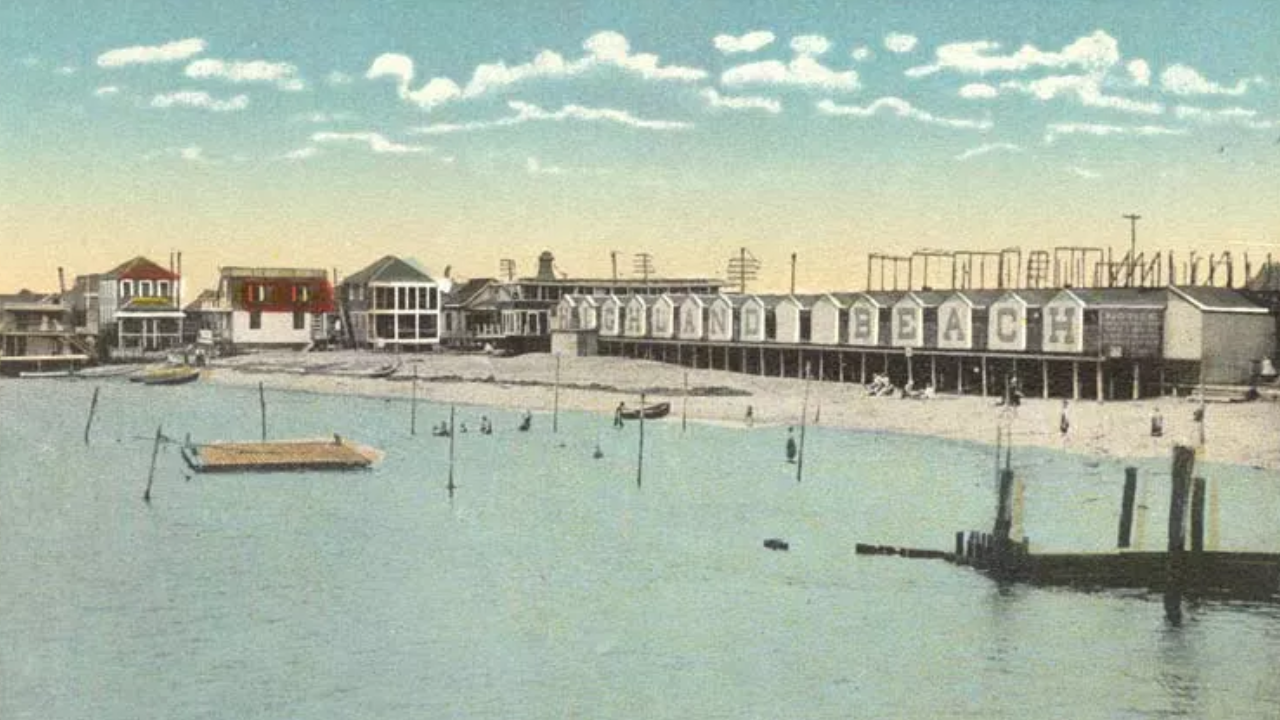
Eminent domain is the ultimate expression of state power. The government decides that your land, your home, or your generational family business must be swallowed by concrete, offers a lowball check, and expects you to pack your bags. For decades, property owners accepted this transaction as the price of progress. In 1962, one New Jersey family decided to fight back against a highway expansion project, turning a standard land seizure into a landmark legal war that ended with an award of $350,000.
That payout was not just a windfall. It was a crack in the armor of absolute state authority.
When the state highway department targeted the property for public use, officials calculated compensation based on raw acreage and minimal improvements. They treated a thriving enterprise as empty dirt. The owners refused the initial offer. They understood a fundamental truth that municipal planners often ignore. Just compensation under the Fifth Amendment does not mean whatever the buyer wishes to pay. It means the actual, realized economic value of what was destroyed.
The Mechanics of Under-Valuation
Bureaucrats treat property acquisition like a math problem with a predetermined answer. Appraisers hired by government entities operate under subtle pressures. Lower valuations protect public budgets. Higher valuations invite public scrutiny. This structural bias transforms eminent domain from a fair purchase mechanism into a legalized discount.
Consider how the process actually works on the ground.
- The condemning authority issues an official notice of intent.
- An agency-approved appraiser visits the site with a checklist.
- Potential highest and best use scenarios are frequently minimized.
- A mandatory settlement offer is mailed with a strict expiration deadline.
Most citizens fold at step four. The legal fees required to challenge an institutional behemoth intimidate ordinary families. Hiring independent real estate experts, specialized land-use attorneys, and trial engineers costs tens of thousands of dollars upfront. The state knows this. The system relies on the financial exhaustion of the property owner.
When the New Jersey family stood their ground in 1962, they bypassed the standard capitulation script. They hired counsel willing to dig into the actual revenue potential of the land. They proved that the state's initial assessment ignored commercial zoning adjustments, proximity access advantages, and future growth projections. They treated the courtroom not as an appeal board, but as a battleground for true market reality.
The Ripple Effect on Modern Jurisprudence
The 1962 dispute permanently altered how New Jersey and surrounding jurisdictions approached forced acquisitions. Before that verdict, agencies could routinely lowball property owners with impunity. After the final judgment hit the public record, legal strategy shifted. Municipalities realized that an aggressive defense by a determined landowner could bankrupt a project's contingency fund.
This case exposed the dirty secret of urban renewal and highway building during the mid-century boom. Entire neighborhoods were bulldozed under the banner of public necessity. Working-class homeowners and small-scale entrepreneurs lacked the capital to mount a defense. The few who did fight back rewrote the playbook for property rights litigation.
True power is measured by the ability to take property without consent. True justice is measured by the price paid to make it right.
Modern property owners facing condemnation today owe a direct debt to those litigants. Contemporary laws in many states now mandate more transparent appraisal disclosures. Some jurisdictions require the condemning authority to pay the owner's reasonable attorney fees if the final court award significantly exceeds the initial government offer. That structural safeguard exists because early plaintiffs forced the courts to look at the human and financial collateral damage of state expansion.
Evaluating Your Exposure
If you receive a notice of condemnation, the clock starts ticking immediately. Time is the enemy of the property owner and the ally of the state.
Do not rely on the initial valuation provided by the agency. Government representatives will use friendly language, emphasizing cooperation and public necessity. Ignore the rhetoric. Look at the numbers. Hire an independent appraiser who has zero ties to municipal contracts. Demand a complete breakdown of how the replacement value was calculated.
- Analyze comparable sales within a three-mile radius over the past twenty-four months.
- Document every capital improvement, fixture, and specialized installation on the site.
- Calculate business interruption losses if the seizure forces a relocation.
- Secure legal representation that specializes exclusively in eminent domain defense.
The state has an army of bureaucrats, lawyers, and staff appraisers paid with tax dollars. Going into that fight alone is financial suicide. The 1962 New Jersey case proved that david can beat goliath, but only when david brings the right stones to the sling.
Property ownership in a republic implies security. When that security is breached by the state, the accounting must be exact. Anything less is theft under the color of law.