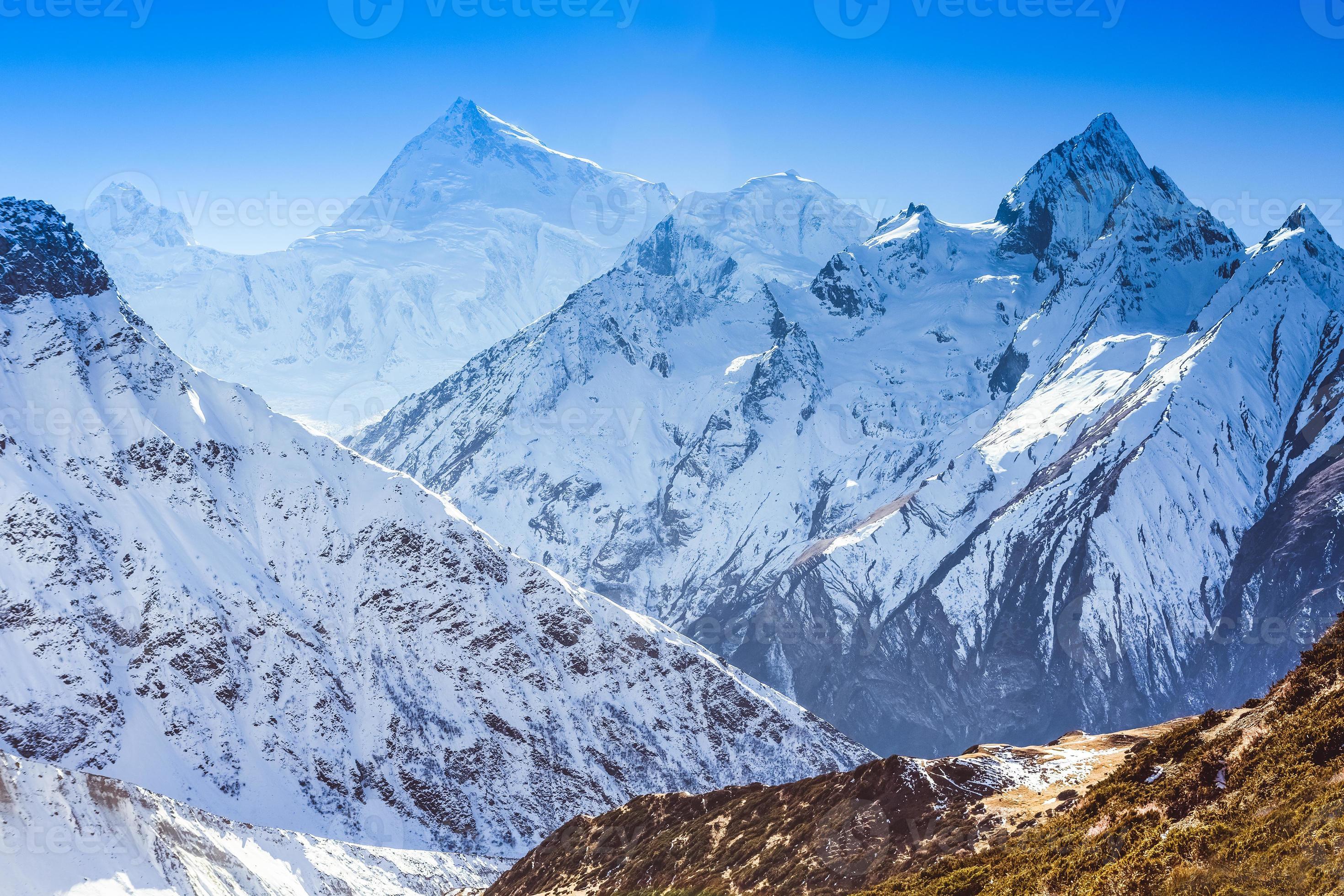
The physical mechanics of a catastrophe rarely announce themselves with subtlety. When a glacial collapse along the China-Nepal border triggered a cataclysmic wall of water and debris in late August 2026, it did not merely overflow riverbanks; it rewrote the geography of valleys overnight. With a combined death toll climbing past seven hundred and thousands more missing across the border zones, the disaster exposes a fragile infrastructure struggling to withstand the rapid intensification of Himalayan climate volatility. For the communities scattered along the Bhotekoshi and Trishuli river corridors, survival has distilled into an agonizing daily vigil, watching chopper rotors beat against the mountain air as hope literally hangs in the skies.
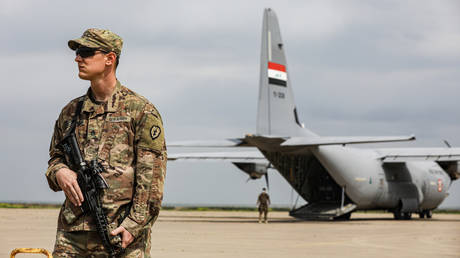
Emergency response efforts in districts like Nuwakot and Rasuwa reveal the brutal logistical realities of mountain rescue operations. When entire settlements such as Dhunge are compressed into meters-thick matrices of silt, clay, and rotting organic debris, ground access becomes an exercise in futility. Heavy machinery claws at arterial supply routes like the Prithivi Highway, but progress is measured in inches. Under these conditions, rotary-wing aircraft operated by the military remain the sole umbilical cord connecting isolated pockets of survivors to basic medical triage and temporary field hospitals.
Yet, aerial extraction is only a temporary salve for a deeply systemic wound. The broader tragedy lies in the systemic vulnerability of regional early-warning networks. While upstream authorities in China relayed critical alerts regarding surging water volumes, the translation of data into actionable local evacuations remains desperately flawed. Survivors speak of constant, numbing alarms that ring out with little context, breeding a fatal fatigue where communities can no longer differentiate between routine warnings and terminal emergencies. When communication lines snap and power grids collapse into twisted ribbons of aluminum and mud, technical telemetry means nothing to a family standing on a crumbling bridge with seconds to spare.
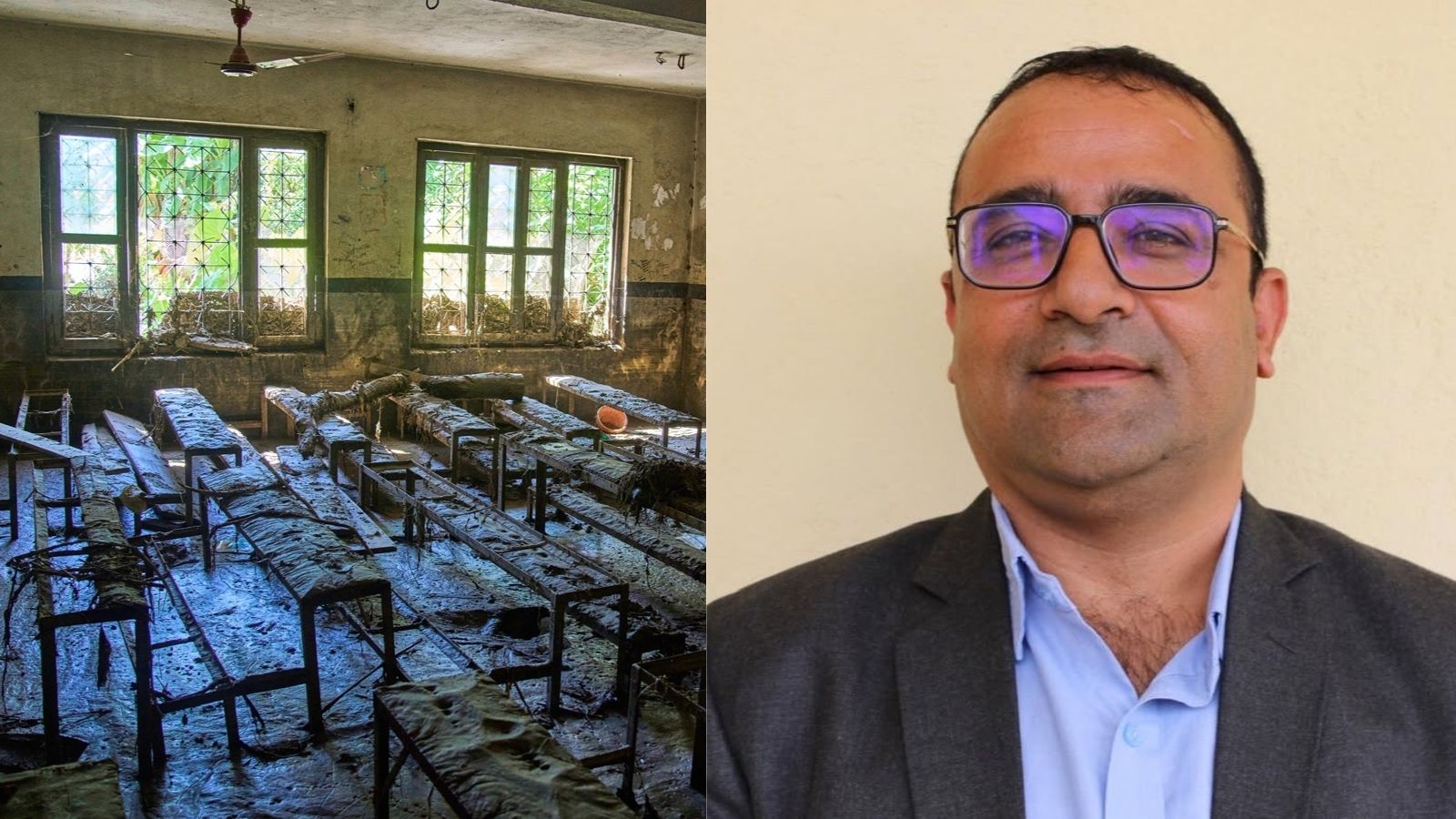
The psychological toll running parallel to this physical devastation is staggering. Survivors returning to the footprint of their former lives find themselves wading through knee-high sludge, digging blindly for birth certificates, deeds, and waterlogged photographs. This desperate salvage mission highlights a profound human instinct to claw back identity from the jaws of absolute erasure. Micro-entrepreneurs who spent decades building roadside restaurants, warehouses, and family lodges now stare blankly at monochromatic plains of grey silt where bustling communities once stood.
Compounding the misery is the constant threat of meteorological recurrence. Meteorological agencies continue to issue high-alert warnings for downstream communities as upstream water levels refuse to stabilize. Every passing cloud over the high peaks triggers a fresh wave of panic among populations already living in makeshift relief camps. The geopolitical dimensions of transboundary river management also demand uncomfortable scrutiny. Disasters born in high-altitude glacial zones do not respect national boundaries, yet coordinated cross-border disaster mitigation protocols remain sluggishly bureaucratic while torrents move at highway speeds.
Rebuilding these fractured districts will require vastly more than temporary food distributions and emergency medical tents. Civil engineers face the daunting task of rethinking bridge hyper-resilience and valley-floor zoning in an era where century-old hydrological baselines are completely obsolete. Until regional authorities overhaul how risk data is communicated to isolated mountain hamlets, the residents of the Trishuli and Bhotekoshi valleys will remain hostages to geography. They will continue to look upward at the sound of approaching blades, waiting to see whether salvation or another warning is descending from the clouds.