The ticker tape doesn’t reach the bottom of the ocean. In Washington, the air is thick with the self-congratulatory hum of a mission accomplished, a geopolitical chess move executed with the clinical precision of a grandmaster. They call it a win. They point to the neutralized threats and the intercepted drones, claiming a definitive "V" for victory in the long, shadow-drenched standoff with Iran. But a thousand miles away, in the salt-crusted heat of the Strait of Hormuz, the victory feels like a ghost.
Consider a merchant sailor named Elias. He isn't a diplomat. He doesn't care about the optics of a press briefing. Elias spends his nights on the bridge of a Panamax tanker, watching a radar screen that feels more like a horror movie than a navigational tool. To him, the "victory" declared in the West is a noise he can’t hear over the roar of the Arabian Sea. While the headlines celebrate a strategic masterstroke, Elias is recalculating his route to avoid the swarms of fast-attack craft that still dance like hornets on the horizon.
The water here is a choke point. That is the clinical term. In reality, it is a narrow, claustrophobic alleyway where 20 percent of the world’s petroleum passes through a space barely wider than a city block. When the U.S. declares the Iranian threat managed, they are looking at the big picture—the high-altitude satellites and the carrier strike groups. They aren't looking at the trembling hands of a crew member who knows that a single "misunderstood" maneuver in these waters can trigger a global economic cardiac arrest.
The chaos hasn't stopped. It has simply changed its frequency.
The Illusion of the Static Front
We have a habit of viewing conflict as a light switch. On or off. War or peace. Victory or defeat. This binary thinking is a comfort to those who live far from the splash zone, but it is a lie. The situation in the Middle East is not a light switch; it is a pressurized vessel. By claiming victory over Iran’s immediate maneuvers, the U.S. has essentially tightened the lid while the heat continues to rise from below.
The Strait of Hormuz remains a theater of the absurd. Despite the official declarations of stability, insurance premiums for cargo vessels are skyrocketing. Shipping companies aren't buying the victory narrative. They are buying more security. They are arming their decks. They are watching the price of crude oil fluctuate not based on supply and demand, but on the jittery nerves of teenage militants in motorboats.
Wait.
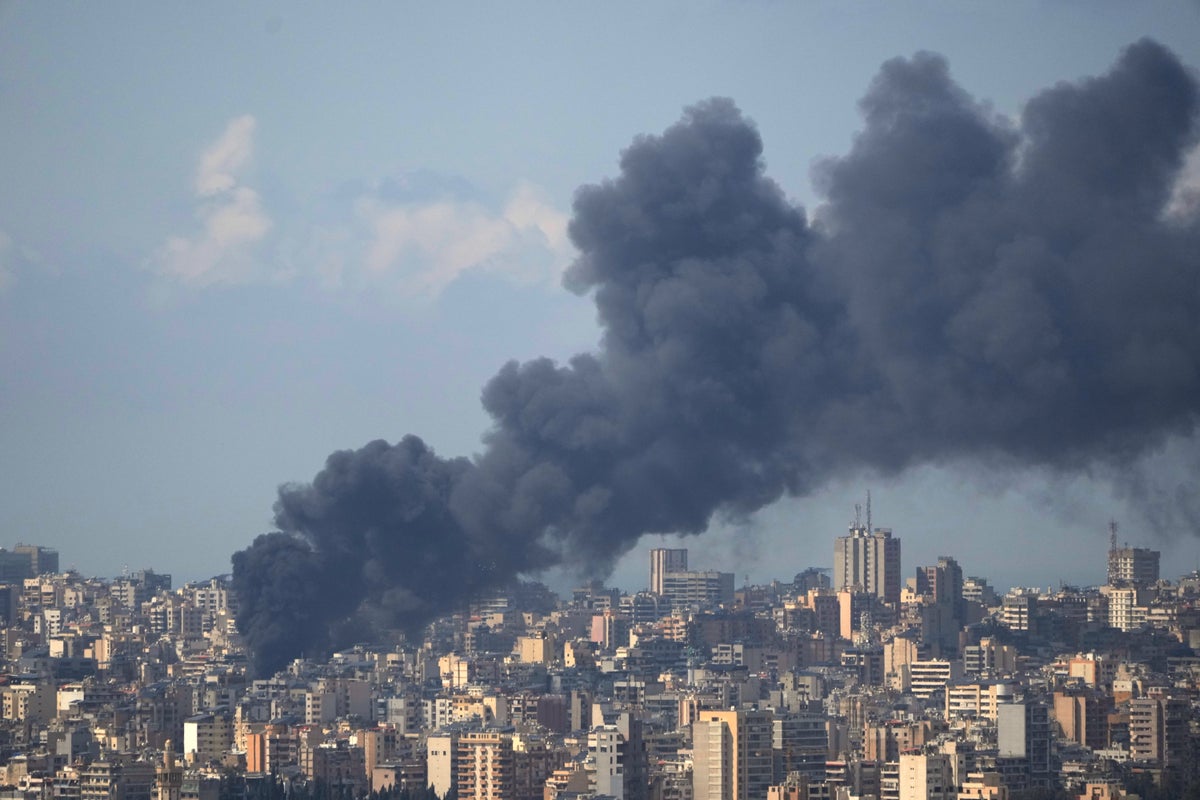
The silence after a declaration of victory is often more dangerous than the noise of the conflict itself. It breeds a false sense of security that ignores the secondary infections of the region. Look toward Lebanon. If the Strait is the world’s carotid artery, Lebanon is its nervous system—frayed, exposed, and sparking with every tremor from the east.
The Beirut Backlash
In the cafes of Mar Mikhaël, the talk isn't about American victory. It’s about the price of bread and the sound of drones. Lebanon is the unintended casualty of every "successful" move made against Iran. Because the regional power structure is a web, you cannot pull a thread in Tehran without feeling the vibration in Beirut.
The U.S. might have checked a box in its containment strategy, but for the family living in a southern Lebanese village, the "victory" looks like a stalemate that has become a permanent way of life. They live in a limbo where the sovereignty of their nation is a polite fiction. Hezbollah, the powerful proxy and political force, doesn't see a U.S. victory. They see an opportunity to double down, to prove that their relevance isn't tied to a press release from the Pentagon.
The stakes are invisible until they aren't.
When the geopolitical tension spikes, the local currency in Lebanon doesn't just dip—it evaporates. The invisible stakes are the life savings of a schoolteacher, the ability of a hospital to keep its generators running, and the quiet, desperate migration of a generation that no longer believes in a future. This isn't collateral damage. It is the very substance of the conflict. To claim victory while Lebanon teeters on the edge of a total systemic collapse is like claiming a successful surgery while the patient’s heart has stopped on the table.
The Language of the Unheard
There is a profound disconnect between the language of the strategist and the language of the survivor. The strategist speaks of "kinetic options" and "deterrence posture." The survivor speaks of the weight of the air before a strike.
We are told that the Iranian influence has been "rolled back." Yet, if you speak to the traders in Dubai or the fishermen in Oman, they describe a different reality. They see an Iran that has become more unpredictable because it feels it has less to lose. Deterrence is a psychological game, and you cannot win a psychological game if your opponent believes your "victory" is just a political mask for exhaustion.
The U.S. presence in the region is massive, expensive, and increasingly static. It is a giant trying to swat mosquitoes with a sledgehammer. The mosquitoes are the asymmetrical tactics—the sea mines, the cyber-attacks, the proxy skirmishes—that don't fit into a tidy victory narrative. These tactics don't aim to win a war; they aim to make the peace unbearable.
The Cost of Looking Away
What happens when we believe our own propaganda?
The danger of the "V for Victory" rhetoric is that it encourages us to look away just when the situation demands our most intense focus. By declaring the Iranian "problem" solved, or at least managed, the international community shifts its gaze to the next crisis, leaving the underlying rot to fester.
The Strait of Hormuz is not safer today than it was six months ago. It is merely quieter in the way a forest goes quiet when a predator is nearby. The shipping lanes are open, yes, but they are open under a cloud of extreme contingency. One mistake, one hot-headed commander on a patrol boat, and the "victory" dissolves into a regional conflagration that no one is prepared to extinguish.
Logically, if the threat was truly neutralized, we would see a drawdown. We would see a return to normalcy in maritime law. Instead, we see the permanent militarization of trade. We see the normalization of "shadow wars" where no one takes responsibility, but everyone pays the price.
The Human Currency of Geopolitics
We must ground these abstract movements in the reality of human cost. Every time a drone is intercepted over the Red Sea or a proxy cell is dismantled in the Levant, there is a ripple effect that touches the mundane lives of millions.
In a small apartment in Tripoli, a father watches the news. He hears about the U.S. victory and looks at his daughter. He wonders if this "victory" means the border will stay closed. He wonders if the medicine she needs will be stuck in a port because the shipping lanes are "secure but volatile." For him, the victory is a hollow echo. It provides no warmth, no food, and no certainty.
The invisible stakes are the loss of agency. When global powers declare victory over your backyard, they are essentially telling you that your instability is now a manageable statistic. Your chaos is now a controlled burn.
Beyond the Ticker Tape
The reality is that there are no final victories in this part of the world. There are only shifts in the balance of misery. To think otherwise is a dangerous vanity.
The U.S. may have achieved its immediate tactical goals. It may have sent a message. But the message received on the ground in the Strait and in the crumbling streets of Lebanon is not one of triumph. It is a message of endurance. The people there know something the analysts in Washington often forget: a victory that leaves the house on fire is just a slower form of defeat.
Elias, the sailor, stays on the bridge. He watches the radar. He doesn't look for the "V." He looks for the shadows. He knows that the true story of the region isn't written in the headlines of the victors, but in the white-knuckle silence of those who have to navigate the aftermath.
The ocean remains deep. The strait remains narrow. And the victory, for all its fanfare, is as thin as the paper it’s printed on.