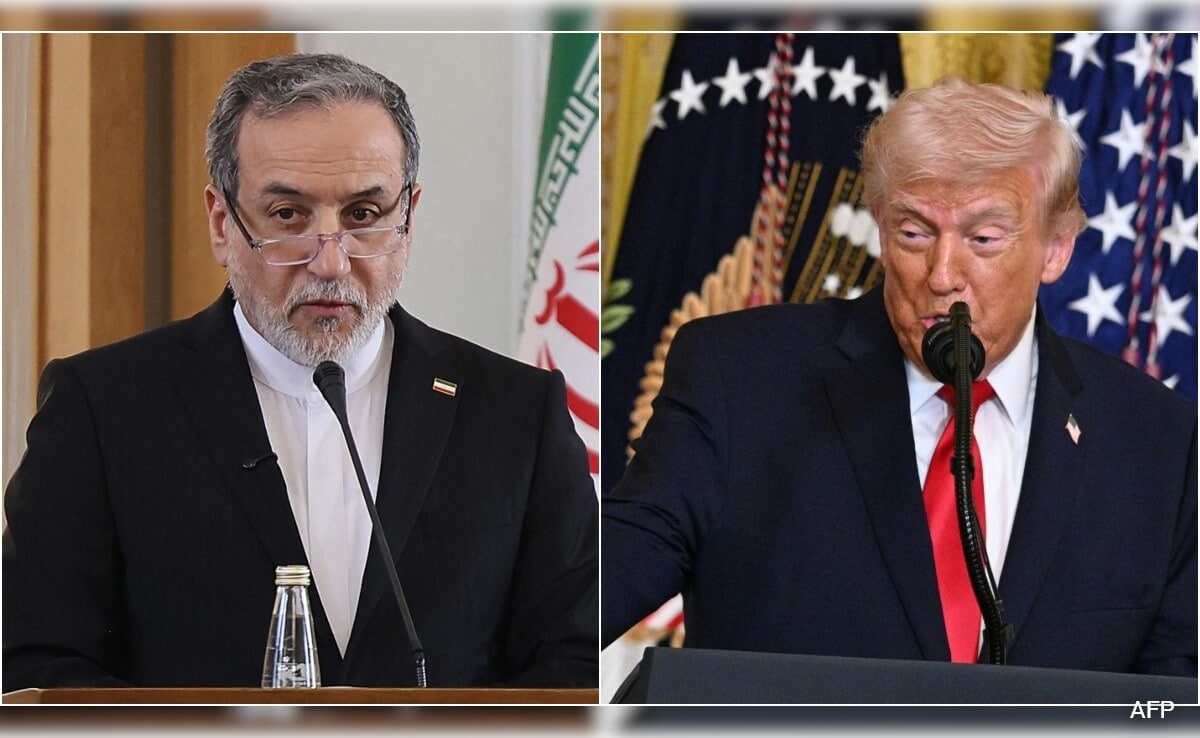
Geopolitics is often treated like a game of checkers by the Western press, and the latest headlines regarding an Iranian "ceasefire" and the reopening of the Strait of Hormuz are no exception. The consensus is simple, tidy, and completely wrong. The narrative suggests that a cessation of hostilities is a victory for global stability and a white flag from Tehran.
It isn't. It’s a tactical pivot.
If you think a "halted attack" means the risk premium on oil should vanish, you aren't paying attention to how asymmetric power actually works. Tehran isn't backing down because they’ve been outmaneuvered; they are recalibrating because they’ve realized that the threat of a closed strait is far more profitable than the actual closure.
The Myth of the Reopened Gate
The media is obsessed with the physical status of the Strait of Hormuz. They track tanker volume like it's the only metric that matters. But the Strait of Hormuz is not a door; it is a thermostat. Iran has spent decades learning exactly how to turn the heat up and down to manipulate global markets without ever needing to fire a shot that triggers a full-scale regime-ending war.
When Iran "accepts" a ceasefire, they aren't ending the conflict. They are merely shifting the theater from kinetic strikes to economic extortion. By "reopening" the strait, they effectively reset the clock on Western patience. They trade a temporary, hollow peace for the removal of sanctions or the unfreezing of assets. It is a classic liquidity play.
I have watched analysts at major hedge funds fall for this cycle for twenty years. They see a headline about "de-escalation" and immediately short energy futures. They forget that the infrastructure of disruption—the fast boats, the naval mines, the coastal missile batteries—doesn't disappear because a piece of paper was signed in Geneva or Doha.
The Friction is the Point
The "lazy consensus" argues that Iran needs the strait open to sell its own oil. This ignores the reality of the "Ghost Fleet" and dark market ship-to-ship transfers. Iran has become a master at operating in the shadows. A "closed" strait hurts their competitors—Saudi Arabia, the UAE, Kuwait—far more than it hurts a nation that has spent forty years perfecting the art of sanction-busting.
The true value of the Strait of Hormuz to Iran is strategic friction.
Every time a tanker is seized or a drone is sighted, the cost of maritime insurance spikes. Lloyd’s of London doesn't care about "ceasefire" press releases; they care about the actual risk to hulls and cargo. By maintaining a state of "neither war nor peace," Iran keeps the cost of doing business in the Gulf permanently elevated.
Imagine a scenario where a mall owner tells you the front door is open, but there are armed men in masks standing in every hallway. Is the mall "open"? Technically, yes. Will people shop there? Only if they have no other choice, and they will pay a premium for the stress of the experience. That is the Iranian strategy for the Persian Gulf.
Why the US is Chasing a Ghost
The American obsession with securing "freedom of navigation" is a 20th-century solution to a 21st-century problem. The US Navy is designed to fight a peer-level blue-water conflict. It is spectacularly ill-equipped to handle the "gray zone" tactics Iran employs.
A ceasefire is a trap for the US because it forces the Pentagon into a reactive posture. When Iran "halts" attacks, the US is pressured by domestic and international actors to draw down its presence. The moment the carrier strike group moves over the horizon, the leverage shifts back to the Islamic Revolutionary Guard Corps (IRGC).
We see this pattern repeatedly:
- Tension spikes.
- Oil prices climb.
- A "diplomatic breakthrough" occurs.
- The US offers concessions.
- Iran uses the reprieve to modernize the very systems that caused the tension in the first place.
This isn't diplomacy. It’s a recurring subscription fee the West pays to keep the lights on.
The Misunderstood Math of Energy Security
People often ask: "If the strait reopens, won't oil prices stabilize?"
This is the wrong question. Stability is a lagging indicator. The real question is: "What is the new floor for energy prices in a world where a non-state actor or a rogue state can toggle 20% of the world's oil supply on and off at will?"
The math of the Strait of Hormuz is dictated by the Volatility Index, not just the supply-demand curve. Even with the strait "open," the psychological barrier has been breached. The world now knows exactly how fragile the global supply chain is.
$P_{risk} = P_{base} + \int (Geopolitical \text{ } Uncertainty) dt$
The integral of that uncertainty doesn't go to zero just because of a ceasefire. It accumulates. Each "halted attack" adds a layer of permanent risk to the global economy.
The Actionable Truth
If you are a logistics provider, an energy trader, or a policy maker, stop celebrating the "ceasefire." Start preparing for the "Next Normal."
- Diversify beyond the Gulf: If your supply chain relies on the 21-mile-wide neck of the Strait, you are effectively a shareholder in Iranian foreign policy.
- Ignore the "Open/Closed" Binary: Focus on "Transit Friction." Measure delay times, insurance premiums, and the frequency of "unprofessional interactions" between naval vessels. These are the real KPIs of the region.
- Recognize the Asymmetry: A $20,000 Shahed drone can hold a $200 million tanker hostage. No amount of "diplomacy" changes that fundamental economic imbalance.
The competitor's article wants you to breathe a sigh of relief. They want you to believe the "crisis" is over. They are selling you a sedative.
The reality is that Iran has realized it doesn't need to win a war to win the argument. They just need to keep the world guessing. The "reopening" of the Strait of Hormuz isn't the end of the story—it’s the beginning of the next leverage cycle.
The gate isn't open. The toll has just changed.
Stop looking at the ships. Look at the hands on the lever.