The geopolitical narrative surrounding the Strait of Hormuz is a theatrical performance written by amateurs for a gullible audience. Every time a politician suggests Iran wants the strait opened or closed, they are missing the fundamental mechanics of the oil market. The consensus view—that Iran is holding the world hostage by threatening to block a chokepoint—is a gross oversimplification that ignores why this waterway remains the beating heart of global energy.
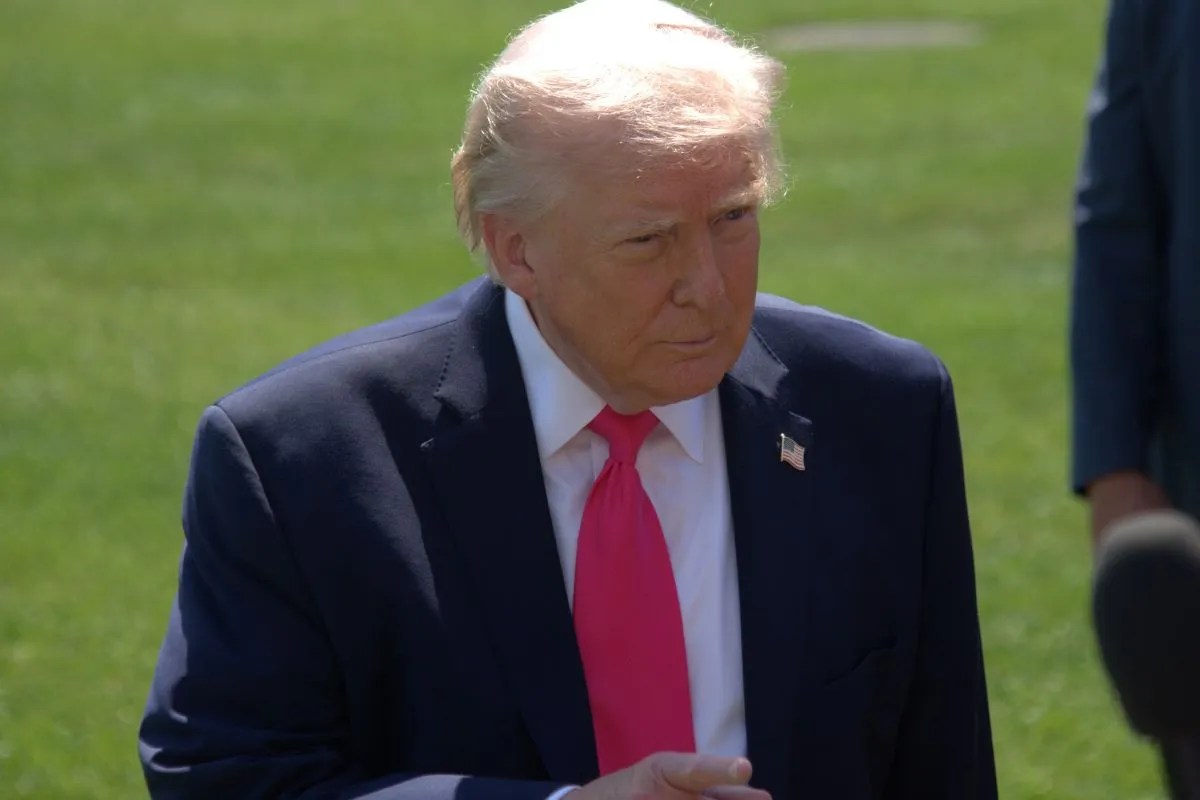
Donald Trump’s recent posturing about Iran wanting the strait open is not a revelation of Iranian intent; it is a fundamental misunderstanding of the modern energy framework. Tehran does not want the strait closed. Tehran does not want the strait opened. Tehran wants the strait to remain a sword of Damocles suspended over the global economy, swinging just enough to keep the market in a state of perpetual, profitable anxiety.
Let’s dismantle the lazy thinking.
The Chokepoint Fallacy
The standard media line presents the Strait of Hormuz as a gate that Iran can simply lock. This implies that Iran’s only goal is the disruption of flow. History suggests otherwise. The Iranian leadership is composed of pragmatic survivors, not suicidal ideologues. They understand that a total closure of the strait would be a catalyst for their own destruction. It would trigger an immediate, overwhelming military response from the United States and its regional proxies.
Iran does not benefit from a dead global economy. Iran benefits from a specific price band of crude oil. By keeping the strait perpetually "at risk," they ensure that the risk premium remains baked into the price of every barrel of oil passing through the region. This is not about control; it is about taxation via volatility.
Imagine a scenario where the strait is perfectly secure, patrolled by a multinational coalition with zero friction. The risk premium evaporates. Oil prices stabilize at a lower market equilibrium. That is the nightmare scenario for the Iranian regime. A stable, low-price oil market is their existential threat. They require the perpetual threat of disruption to maintain their relevance and their margins.
The Petrodollar Hegemony
The United States isn't patrolling the Strait of Hormuz out of some altruistic desire to feed the world’s heating systems. The American presence is the security guarantor of the petrodollar system. If the flow of oil were to be decoupled from the dollar, the entire financial architecture of the West would wobble.
This is the hidden truth that mainstream analysts refuse to touch. The "opening" of the strait is not about humanitarian aid or global stability; it is about maintaining a system where the world is forced to buy its energy in American currency. Iran knows this. They understand that the US military footprint in the Gulf is not actually there to stop them; it is there to ensure the transaction layer of global energy remains intact.
When Washington claims they are "opening" the strait, they are engaging in a performative act of maintenance. They are performing the role of the global hegemon to reassure jittery markets that the mechanism of exchange remains under lock and key. Iran plays along because they understand the game. They rattle the sabers, the US sends a carrier strike group, the market gets nervous, prices tick up, and everyone involved gets a payout.
Why Iran Actually Needs The Status Quo
There is a pervasive belief that the regime in Tehran is a rational actor trapped in a cycle of irrational aggression. This is the wrong diagnostic. The regime is rational, calculating, and patient. They have mastered the art of calibrated escalation.
Consider the insurance premiums on supertankers. When tensions rise, insurance costs skyrocket. This does not stop the oil from moving; it just makes it more expensive. Who absorbs those costs? The consumer in the West and the importers in Asia. The producer—specifically a producer like Iran, which relies on the shadow fleet—finds ways to skirt these costs or use the increased price to justify their own exports.
Iran has no incentive to close the strait because they are currently extracting maximum value from the status quo. They are operating a shadow infrastructure that bypasses traditional sanctions, and they are doing so in a market that remains fearful. If the strait were truly "opened" and stabilized, that fear would vanish, and the scrutiny on their shadow operations would intensify.
The China Variable
The elephant in the room is Beijing. China is the primary consumer of the oil flowing through Hormuz. If Iran were to actually close the strait, they would be declaring economic war on their only true strategic partner.
Analysts often claim Iran has the capability to shut down traffic. This is a technical truth but a tactical absurdity. They could flood the channel with sea mines and swarm tactics for forty-eight hours, maybe seventy-two. But the sheer logistical output of a modern navy, particularly one backed by the industrial capacity of the United States, would clear that channel with terrifying efficiency.
Iran knows this. They are not playing for a total blockade. They are playing for a percentage. They are effectively the world’s most dangerous toll booth operator, charging a non-monetary toll in the form of regional influence, political leverage, and the maintenance of their regime’s security through the very threat that keeps the West from acting.
The Failure of Strategic Conventionalism
We have been conditioned to view this through the lens of Cold War containment strategies. We look at maps, we count ships, we assess missile batteries, and we think in terms of "deterrence" and "force projection." This is a nineteenth-century mindset applied to a twenty-first-century energy crisis.
The real conflict is not happening on the water. It is happening in the data, in the algorithmic trading of commodities, and in the political negotiations where the price of oil is debated.
Those who argue for a more "robust" military response to Iran’s presence in the strait fail to account for the secondary effects. If the US were to truly neutralize Iran’s ability to influence the strait—effectively stripping them of their primary bargaining chip—the regime would have nothing left to lose. A cornered animal with a missile program is far more dangerous than a calculated actor with a toll booth.
Why Your Investment Strategy Is Flawed
Investors treat the "Strait of Hormuz" as a binary event. They are either "long" on oil because of a potential crisis, or "short" because they believe the US has the situation handled. Both positions are amateur.
The market has priced in the Iranian threat for decades. It is not an anomaly; it is a permanent feature. The real opportunity for those who understand this space is not in predicting the "closure" of the strait, but in understanding the ebb and flow of the geopolitical theater surrounding it.
When you see headlines about the US navy intercepting a shipment or a fiery speech from Tehran about closing the waterway, do not look for the next war. Look for the next negotiation. These are not precursors to kinetic conflict; they are markers of the next adjustment in the price premium. The fluctuation is the signal, not the event.
The Asymmetry of Modern Warfare
The obsession with "closing the strait" misses the rise of asymmetrical disruption. Iran does not need to block the strait to cause a crisis. They can cause a localized "incident" that triggers a cascade of automated trading, insurance hikes, and supply chain panic.
They have spent the last thirty years perfecting the art of "plausible deniability." A drone strike here, a suspicious tanker incident there, a cyberattack on a regional port—these are the modern tools of the trade. They are not acts of war; they are acts of economic pressure. And they are incredibly effective.
We are currently operating in a model where the cost of defending the status quo is skyrocketing, while the cost for Iran to disrupt it remains near zero. This is a losing equation for the West. We are burning billions to maintain the illusion of control, while Tehran spends pennies to keep the world guessing.
The Misunderstanding of Trumpian Posturing
Returning to the claim that Iran wants the strait opened: it is vital to recognize that political rhetoric often functions as a signal to domestic audiences rather than a statement of geopolitical reality.
When a president says "Iran wants us to open it," they are speaking to a constituency that fears high gas prices and desires a strongman who can "fix" the problem. It is a promise of simplicity in a complex world. The reality is that no US administration has a clean path to "fixing" the Strait of Hormuz. To do so would require an occupation of Iranian coastal territory that would cost more in blood and treasure than the entire global oil market is worth.
The politicians know this. The intelligence community knows this. The only people who seem surprised by this are the ones who consume the news as if it were a linear narrative rather than a series of obfuscations.
A Brutal Truth About Energy Transition
The reason this matters now more than ever is that the global energy shift is underway, and the Strait of Hormuz is the friction point where old power meets new reality.
As the West attempts to transition away from fossil fuels, the value of the Strait of Hormuz becomes a volatile variable. For Iran, this is a ticking clock. They need the revenue from that oil to survive the next decade. They need the strait to remain viable, but they need it to remain dangerous.
This is why we see the strange dance between Washington and Tehran. It is a marriage of convenience disguised as a feud. The US needs the oil to flow to keep the global economy from collapsing under the weight of an energy transition that is moving slower than predicted. Iran needs the oil to flow to keep its regime afloat. Both sides are terrified of the strait actually being blocked.
The claim that Iran wants the strait opened is a half-truth. They want the oil moving, yes. But they want the threat of closure to remain the primary mechanism for their survival. They are perfectly content to have the US Navy do the heavy lifting of "securing" the route, provided that the US remains an antagonist they can leverage for domestic political support and regional influence.
Stopping the Cycle of Naivety
To navigate this landscape, you must abandon the idea that there is a "correct" state for the Strait of Hormuz. There is only the current state: a high-stakes, high-friction, and highly lucrative arena for geopolitical posturing.
Stop looking for a permanent solution. There isn't one. The US won't leave, Iran won't back down, and the oil will continue to flow because the alternative is unacceptable to every player at the table.
If you are waiting for the "resolution" of the Hormuz crisis, you are waiting for a mirage. The crisis is not a bug in the system; it is the system itself. It is the friction that keeps the petrodollar alive and the Iranian regime in power.
The next time you read a headline about the Strait of Hormuz, ignore the saber-rattling. Look at the price of Brent crude. Look at the insurance rates for tankers in the Gulf. Look at the long-term contracts being signed by Asian importers. That is where the reality lives. The rest is just noise designed to keep you from seeing the machine work.
The myth of the chokepoint is the most effective propaganda piece in modern history, and as long as you believe it, you will remain a spectator to the real game being played behind the curtain. The strait isn't a weapon to be used; it is a ledger to be balanced, and right now, the balance sheet is exactly where everyone needs it to be.
Stop asking when the strait will be opened. Ask who benefits when the world believes it might be closed. Once you identify that, you will understand why nothing is ever going to change.