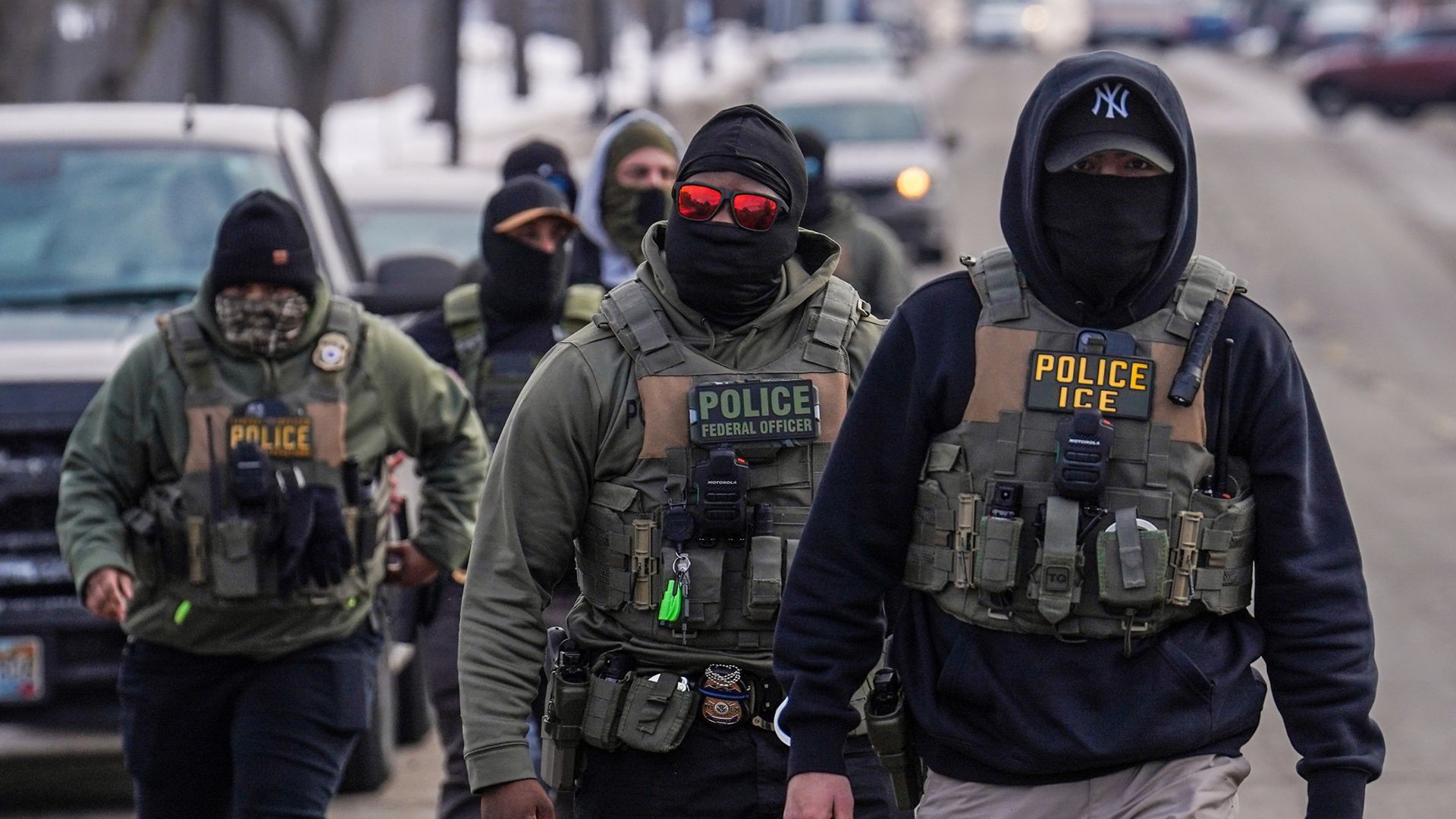
Immigration and Customs Enforcement wants to spend up to $20 million to put electric shock gloves into the hands of its entire field force.
When a federal agency starts dropping millions on high-voltage patrol gear, it's worth asking what changes are coming to our streets. The Department of Homeland Security published a procurement notice detailing plans to acquire thousands of specialized items known as the G.L.O.V.E., standing for Generated Low Output Voltage Emitter. Manufactured by Compliant Technologies, these items look like standard gear until an officer flips a switch to deliver a localized electrical pulse.
Civil rights groups are furious. Lawmakers are demanding answers. If you want to understand how federal immigration enforcement is shifting its approach on the ground, you need to look past the bureaucratic jargon and see what these tools actually do.
What Are Electric Shock Gloves and How Do They Work
Let's clear up what this technology actually is. These aren't bulky prop items from a sci-fi movie. They look, feel, and function like normal patrol gloves until activation.
Once an officer presses a hidden button, the material becomes conductive, sending a sharp voltage spike directly through human skin on contact. The manufacturer markets them as pain-compliance tools designed to force rapid compliance without leaving permanent burn marks.
Proponents argue that the sensation resembles a sharp bee sting. They claim it offers agents a practical way to pull resisting individuals from vehicles or subdue combative subjects during high-stakes arrests.
Unlike Tasers, which fire probes from a distance, these require direct, hands-on physical contact. That proximity changes the entire dynamic of a physical confrontation. It turns an ordinary grab or hold into an electric shock delivery system.
The Scale of the ICE Procurement Notice
The numbers tell a compelling story. Federal procurement logs indicate a planned budget ranging from $10 million to $20 million.
That price tag isn't for a specialized tactical unit. That kind of spending suggests mass distribution. ICE intends to equip most or all agents within Enforcement and Removal Operations and Homeland Security Investigations.
With the agency pushing hard to ramp up arrests under current administration directives, field personnel face daily friction points. Officers frequently deal with uncooperative suspects in tight spaces, vehicles, and crowded residential areas. Agency leadership views this technology as a way to shorten physical struggles and protect personnel from injuries.
Critics see it differently. Handing a pain-compliance tool to thousands of federal agents creates massive liability.
Legal Controversies and Safety Warnings
You cannot talk about this rollout without looking at past safety data and pending litigation. Proponents call the gloves safe, but real-world incidents point to serious risks.
A lawsuit filed in Kentucky alleges a man died in 2024 after corrections officers shocked him 27 times with the gloves alongside multiple Taser cycles. Internal investigations revealed that some of those shocks lasted far beyond the manufacturer's recommended 15-second safety limit.
Even the product's own user manual explicitly warns against using the technology on vulnerable populations. That includes pregnant women, small children, the elderly, and individuals with severe disabilities. The guidelines state the system should never serve as a punishment tool or a response to verbal backtalk.
Legal experts worry about the ease of use. When a weapon sits right on an officer's hands, the threshold for deploying force tends to drop. Instead of relying on verbal de-escalation or traditional wrestling tactics, agents might jump straight to electricity because the button is right at their fingertips.
The Immediate Political Backlash
Elected officials aren't staying quiet about the proposal. New York Attorney General Letitia James publicly condemned the plan, warning that state authorities will hold agents criminally and civilly accountable for any misuse within state borders.
Members of Congress have taken to social media to denounce the purchase, arguing that immigration enforcement already relies on excessive force without adding high-voltage gadgets to the mix.
Meanwhile, Department of Homeland Security defenders maintain a strict talking point. They insist the agency continuously evaluates field equipment to guarantee safe operations. They argue that every technological choice undergoes rigorous review to match established law enforcement standards.
Yet, the agency has offered little specific justification for why standard restraints or existing tools fall short.
What Happens Next on the Ground
The procurement timeline is moving fast. A no-bid contract solicitation could drop at any moment, locking in a supply chain that runs well into next year.
If you or someone you know interacts with federal agents, understanding these policy shifts matters. Oversight groups are mobilizing to track deployments, document injuries, and challenge the legality of routine use in civil immigration cases.
Keep a close eye on local municipal responses as well. State and local prosecutors are already preparing to scrutinize federal tactics. The introduction of these gloves marks a sharp escalation in enforcement gear. Expect intense court battles and fierce legislative pushback before the year is out.