Rain in Yangon does not just fall. It consumes. It slickens the pavement, turns alleyways into rivers, and muffles the sound of boots on asphalt. Under a corrugated tin roof in a neighborhood that prefers to remain nameless, a young woman named Hnin sits by a flickering LED lamp. She is twenty-four. Her university degree is a piece of paper hidden beneath a loose floorboard. Her current reality is measured in the erratic signal of an encrypted chat app and the constant, low-humming anxiety of a city under siege.
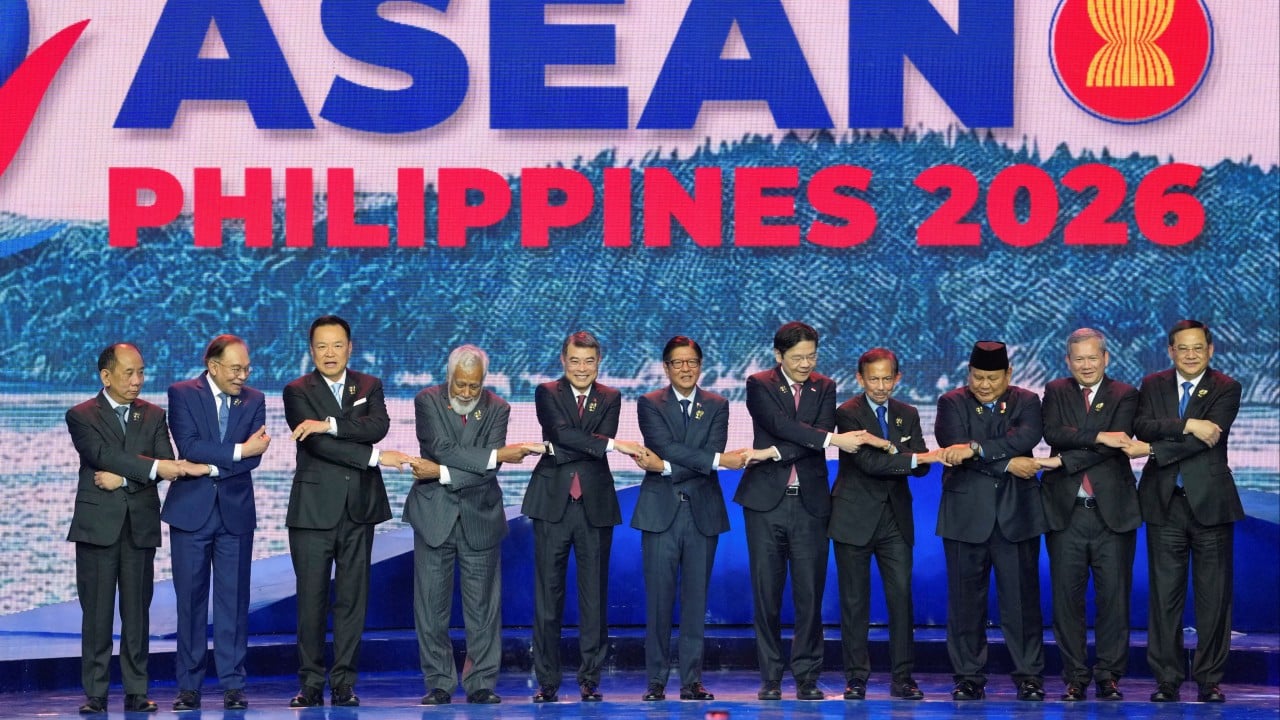
Thousands of miles away, in air-conditioned rooms lined with mahogany and filled with the gentle clinking of porcelain teacups, diplomats from the Association of Southeast Asian Nations (Asean) talk about her future. They call it "constructive engagement." They whisper about "side deals." They gather around glossy tables, convinced that if they can just find the right combination of quiet promises and economic incentives, they can coax the military junta into a compromise.
They are chasing a ghost.
The fundamental flaw in regional diplomacy right now is not a lack of effort. It is a profound misunderstanding of geography, power, and human desperation. By treating the military regime as the sole gatekeeper of Myanmar’s destiny, international actors are playing a game on a board that no longer exists.
The Board is Broken
For decades, the script for Southeast Asian diplomacy remained unchanged. When a crisis erupted, neighboring capitals would engage with the generals in Naypyidaw. The assumption was simple: the military held the monopoly on force, therefore the military was the state.
But history broke in 2021.
To understand why current side deals are failing, consider the physics of a crumbling dam. If you only negotiate with the engineers who built the structure—the ones frantically trying to patch cracks with wet cement—you ignore the massive, roiling reservoir of water gathering weight on the other side.
The military regime does not control Myanmar. Not fully. According to independent conflict trackers and field reports, the junta has lost effective administration over more than half the country. Vast swaths of the borderlands, trade routes, and rural heartlands are governed by a patchwork of Ethnic Armed Organizations (EAOs) and the People’s Defence Forces (PDFs).
When regional ministers fly in for closed-door meetings, they are signing agreements with an entity that cannot guarantee the safety of its own supply lines. They are purchasing promises written on water.
The Cost of the Sidebar
Imagine buying a house from someone who only owns the front porch, while the rest of the structure is occupied by a collective that wants nothing to do with him. That is the essence of the current diplomatic strategy.
Neighboring countries are understandably desperate for stability. The fallout of the civil war spills across borders daily. Methamphetamine trafficking has surged. Online scam compounds, guarded by heavily armed militias, operate with terrifying impunity. Refugees flee through the jungle, seeking safety in Thailand or India.
In response, individual Asean members have started fracturing the bloc's unified stance. They are cutting side deals. One country negotiates bilateral border security. Another seeks assurances on a stalled infrastructure project. A third attempts to open a backdoor channel for humanitarian aid.
This approach feels pragmatic. It looks like realpolitik. It is, in truth, an exercise in futility.
Every time a regional power cuts a separate deal with the junta, it injects a dying regime with a fresh dose of political oxygen. It signals to the generals that if they simply hold out long enough, the international community will tire of its moral stance and return to business as usual. More importantly, it alienates the very forces that will actually shape the future of the nation.
The Logic of the Jungle
To find where the power truly lies, you have to leave the capital. You have to travel up the Chindwin River, through the dense forests of Karen State, and into the dry zones of Sagaing.
Here, power is not defined by a official seal or a seat at a summit. It is defined by legitimacy.
The resistance movement in Myanmar is unique in modern history. It is not merely an insurgent army; it is an alternative state in embryo. In areas outside military control, local committees are running schools. They are administering rudimentary healthcare. They are collecting taxes and policing streets.
When a foreign government negotiates a trade corridor exclusively with Naypyidaw, bypassing these local administrations, it creates an immediate friction point. A convoy of goods cleared by a ministry bureaucrat means nothing when it reaches a checkpoint manned by eighteen-year-olds who have spent the last three years dodging airstrikes.
The resistance forces possess a veto power that no diplomatic protocol can override. They can stop trade. They can disrupt infrastructure. They can refuse to validate any treaty signed over their heads.
The Fear of the Unknown
Why, then, do sophisticated diplomats continue to court a failing dictatorship?
The answer is fear.
The devil you know is a comforting concept in statecraft. The junta, for all its brutality, represents a familiar structure. It has a command hierarchy. It has a recognizable bureaucratic apparatus. Diplomats know how to talk to generals because they have been doing it for half a century.
The alternative looks terrifyingly complex. The anti-junta resistance is a sprawling, decentralized coalition. It includes urban students, seasoned ethnic commanders, striking civil servants, and exiled politicians. It does not speak with a single voice. It does not fit neatly into a briefing memo.
But confusing complexity with chaos is a fatal mistake. The resistance coalition is bound by a shared realization: the old status quo is dead. There is no going back to the fragile power-sharing agreements of the past decade.
By avoiding the complexity of the opposition, regional actors are choosing a comforting delusion over a harsh reality. They are investing their diplomatic capital in a sinking ship because they are afraid of learning how to swim in the open sea.
Moving Beyond the Mahogany
True pragmatism requires looking at the map as it is, not as it was five years ago.
If neighboring states want to secure their borders, stop the flow of narcotics, and shut down the criminal enclaves lining their frontiers, they cannot do it through Naypyidaw alone. The junta does not have the power to enforce those agreements, even if it wanted to.
A new framework must emerge. It must be a diplomacy that recognizes multiple centers of gravity. It means engaging directly with ethnic administrations that control key border crossings. It means recognizing the National Unity Government not as a government-in-exile, but as a critical stakeholder with immense popular backing on the ground.
This is not a call for moral idealism. It is a cold, calculated assessment of survival.
The current trajectory promises only endless stalemate and deepening instability. Side deals might yield a temporary photo-op or a short-lived ceasefire in a specific sector, but they leave the root cause of the conflagration untouched.
The Rain Continues
Back in the Yangon apartment, the LED lamp finally flickers out. Hnin adjusts her position against the wall. She can hear the distant, dull thud of artillery from the outskirts of the division.
She does not read the joint communiqués issued from capital cities. She does not analyze the subtle shifts in diplomatic phrasing. She, like millions of her compatriots, understands a truth that the region's elite have yet to accept.
The future of Myanmar will not be decided by those who sit at the table. It will be decided by those who are currently building a new world out of the wreckage of the old one, far away from the lights, the cameras, and the illusions of power.