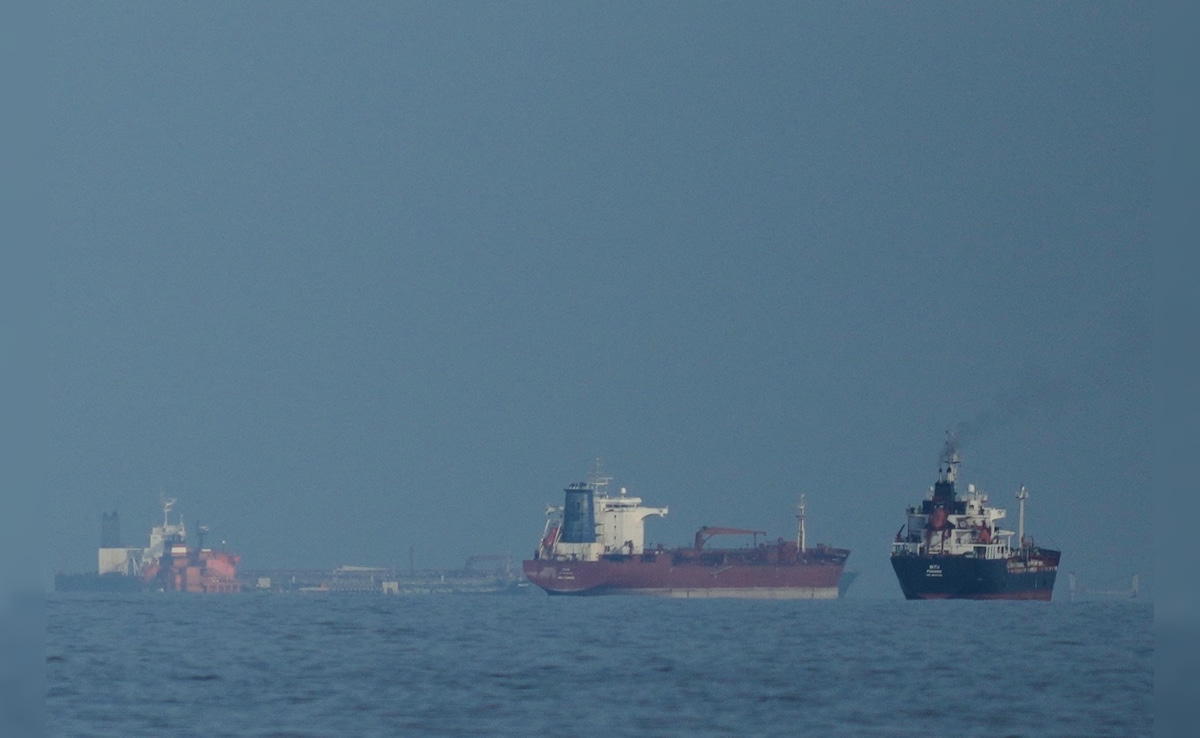
The global energy market just breathed a collective sigh of relief. India isn't holding back its expectations now that a ceasefire has shifted the deck in the Middle East. For a country that imports about 80% of its crude oil, the Narrow Strait of Hormuz isn't just a geographical point on a map. It’s a jugular vein.
When things get tense between Iran and its neighbors or Western powers, this tiny strip of water becomes a choke point. New Delhi’s recent stance is clear. They expect an unimpeded flow of commerce. No more shadow wars. No more seized tankers. They want the oil moving because their economy depends on it.
The ceasefire changes the math for everyone. For years, the threat of Iran closing the strait was the "nuclear option" of maritime trade. Now, India is signaling to the world—and specifically to Tehran—that the era of using shipping lanes as geopolitical leverage needs to end. It’s about energy security, sure, but it’s also about the millions of Indian expats working in the Gulf whose livelihoods tie directly to regional stability.
The Strait of Hormuz is the Worlds Most Important Choke Point
You can’t overstate how much power this 21-mile-wide waterway holds. At its narrowest, the shipping lanes are only two miles wide in either direction. Around a fifth of the world’s liquid petroleum passes through here every single day. If Hormuz shuts down, the global economy doesn't just slow down. It breaks.
India knows this better than most. Most of India’s oil comes from Iraq, Saudi Arabia, and the UAE. Every single drop from those suppliers has to run the gauntlet of the strait. When Iran and regional rivals engage in "tit-for-tat" tanker seizures, Indian insurance premiums skyrocket. Freight costs climb. Then, the guy riding a scooter in Delhi pays more for petrol. It’s a direct line from a naval standoff to a local inflation crisis.
External Affairs Ministry officials have been consistent. They aren't just asking for peace for the sake of "global harmony." They’re asking for it because the "Indo-Pacific" vision India promotes requires a western flank that isn't on fire. Stability in the Persian Gulf is the prerequisite for India's transition into a 5-trillion-dollar economy. Without Hormuz staying open, those numbers are just fantasy.
India and Iran a Relationship of Necessity
New Delhi’s relationship with Tehran is complicated. It’s a tightrope walk. On one hand, India needs to stay in the good graces of the United States. On the other, they have massive strategic interests in Iran, specifically the Chabahar Port.
Chabahar is India’s gateway to Central Asia, bypassing Pakistan. It’s the centerpiece of the International North-South Transport Corridor (INSTC). If the ceasefire holds, the risk profile for Chabahar drops significantly. Investors who were scared off by the threat of conflict might actually start putting money back into the infrastructure.
The ceasefire doesn't just mean "no more bombs." It means the normalization of trade routes. India has been playing the long game here. They didn't completely cut ties during the peak of sanctions, and they didn't jump ship when tensions peaked. They stayed in the room. Now, they expect a return on that diplomatic patience in the form of guaranteed safe passage for their vessels.
Why Maritime Security is the New Diplomacy
The Indian Navy has quietly become one of the most active players in the region. You might remember "Operation Sankalp." Since 2019, India has kept warships in the Gulf of Oman and the Persian Gulf just to escort Indian-flagged tankers. Think about the cost of that. Keeping destroyers and frigates on constant patrol isn't cheap.
India wants to stop playing bodyguard. They want a regional security architecture where the "rules-based order" actually means something. This ceasefire provides the first real window in years to move away from military escorts and back to standard commercial shipping.
The Hidden Impact on Global Supply Chains
It isn't just about oil. The Strait of Hormuz is a massive corridor for Liquefied Natural Gas (LNG). Qatar is one of the world's top LNG exporters, and India is buying. As India tries to shift its energy mix away from coal and toward gas, the reliability of the Hormuz route becomes even more vital.
When the strait is unstable, the "risk premium" added to every barrel of oil and every cubic foot of gas acts like a hidden tax on Indian industry. By calling for an "unimpeded flow," India is essentially demanding a tax cut for its manufacturing sector. They want the "war theater" labels removed from the region so shipping companies stop charging extra for "danger pay."
What Happens if the Ceasefire Fails
We shouldn't be naive. Ceasefires in this part of the world are often just breathing room before the next round. But the language coming out of New Delhi suggests they are tired of the volatility. There is a growing sense that India is willing to use its increasing naval weight to protect its interests if the regional players can't keep the peace.
The "unimpeded flow" comment is a polite way of saying, "Don't mess with our supply lines." It’s a warning wrapped in a diplomatic statement. If the ceasefire collapses and tankers start getting harassed again, don't be surprised to see the Indian Navy take an even more assertive role in the Arabian Sea.
Moving Beyond the Conflict
The next logical step for India is to double down on the INSTC. With a ceasefire in place, the land-sea route from Mumbai to Bandar Abbas and then up through Russia becomes a lot more attractive. It cuts travel time by nearly 40% compared to the Suez Canal route.
India’s strategy is simple. Secure the water, build the ports, and link the rails. But none of that works if Hormuz is a combat zone. The insistence on "unimpeded commerce" is the foundation for everything they want to achieve in the next decade.
Keep an eye on the insurance markets. If the maritime insurance giants in London start dropping the "war risk" surcharges for the Persian Gulf, you'll know the market believes India's optimism is well-founded. For now, the focus remains on ensuring that the ink on the ceasefire translates to physical safety for the thousands of ships that keep the world running.
Verify the shipping rates for tankers originating from Basra or Ras Tanura over the next few weeks. If those rates stabilize, India’s diplomatic push has done its job. The goal now is to turn this temporary quiet into a permanent standard for international trade.



