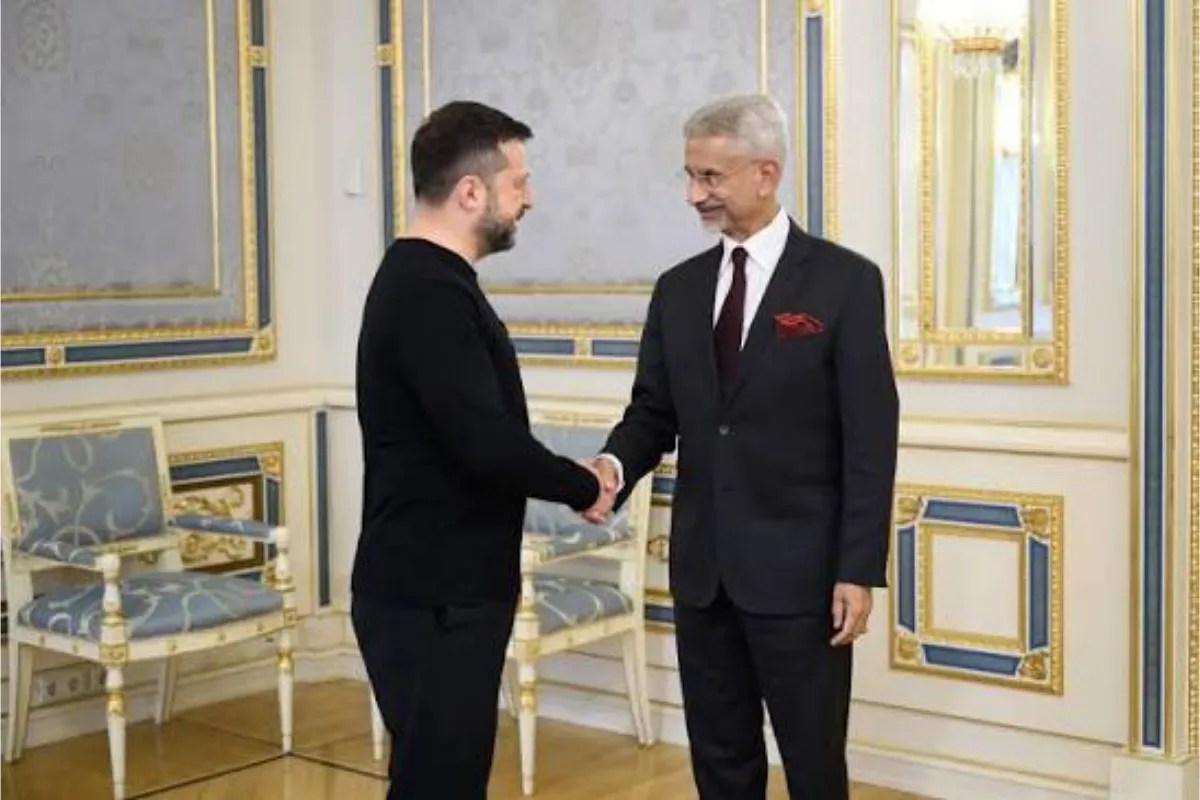
Foreign Minister S. Jaishankar didn't mince words during his visit to Kyiv. He stood right there and stated the quiet part out loud: this endless conflict needs to stop, and India is ready to help broker peace. It's a bold stance. People miss the forest for the trees when analyzing New Delhi's foreign policy. You hear chatter about neutrality. You hear accusations of fence-sitting. But walking diplomatic tightropes isn't about avoiding a fall; it's about keeping the pole steady while everyone else is rocking the wire.
Let's look at what actually happened. Prime Minister Narendra Modi told Vladimir Putin straight to his face in Moscow that war isn't the answer. Then Jaishankar flew to Ukraine to deliver a similar message to Volodymyr Zelenskyy. This isn't double-speak. It's pragmatism at scale. India buys Russian oil because domestic economic stability demands it. At the same time, New Delhi maintains strong ties with the West because the global supply chain runs through democratic partnerships. When Jaishankar says India wants to help restore peace, he isn't playing a PR game. He is protecting a billion-plus citizens from soaring inflation, food insecurity, and broken trade routes.
The Cost of Silence
Neutrality sounds easy on paper. In practice, it's a messy business.
European capitals spent months criticizing India's refusal to slap harsh sanctions on Moscow. They wanted a clear line in the sand. But foreign policy isn't a moral philosophy class. It's a hard-nosed calculation of national interest. Jaishankar understands this better than most diplomats working today. He routinely reminds Western critics that Europe's problems are not automatically the world's problems, even if this specific war affects everyone's grocery bills and gas tanks.
Energy security changed the entire equation. When Western nations cut off Russian pipelines, Moscow redirected crude toward Asia. India stepped in. Critics screamed opportunism. Yet, if New Delhi had refused those discounted barrels, global oil prices would have skyrocketed past historic highs. That shock wave would have crushed developing economies across the Global South. By keeping energy flowing, India acted as a stabilizing shock absorber for the world economy.
Why Mediation Matters Now
Moscow and Kyiv are exhausted. Millions have fled. Infrastructure lies in ruins. Yet neither side sees an easy path to the negotiating table without losing face. That is where external actors step in.
Traditional Western mediators carry too much baggage right now. Moscow views them as active participants in the conflict due to massive military aid packages sent to Ukraine. On the flip side, countries like China have their own complex geopolitical ambitions that make Kyiv wary. India occupies a rare sweet spot. New Delhi talks tough on sovereignty while keeping communication channels open with the Kremlin. Modi holds enough personal rapport with Putin to deliver hard truths without triggering a complete diplomatic freeze.
You saw this strategy play out during grain corridor negotiations. While international bodies struggled to keep Black Sea ports open, various non-aligned nations quietly leaned on diplomatic backchannels to ease food shortages. Jaishankar's recent trip to Eastern Europe signals that India wants a formal seat at the peace table when the shooting finally slows down.
What Most Observers Miss About New Delhi Strategy
People think India wants to be the next global superpower playing world police. That is entirely wrong.
New Delhi wants multipolarity. A world where Washington holds all the cards is bad for Asian security. A world where Beijing dominates Eurasia is worse. By positioning itself as a voice for the Global South, India builds diplomatic capital that transcends transactional trade deals. When Jaishankar talks about ending the endless war, he speaks for dozens of developing nations suffering collateral damage from a European land dispute.
Think about fertilizer supplies. Farmers in Punjab and Haryana need affordable potash and urea just as much as farmers in Brazil or Kenya. When the war disrupted fertilizer exports, crop yields dropped worldwide. Jaishankar links diplomatic engagement directly to these everyday realities. He doesn't talk in vague abstractions about international rules-based orders. He talks about food, fuel, and fertilizer. That grounds foreign policy in things voters actually care about.
The Road Ahead for Indian Diplomacy
Diplomacy moves at a glacial pace until it suddenly accelerates. Right now, the lines are hardening. Winter approaches in the conflict zones, drones hum across the border skies, and diplomatic fatigue sets in from Washington to Brussels.
India's willingness to help isn't a silver bullet. No single foreign minister can wave a magic wand and stop artillery fire. But keeping the door open for dialogue prevents total isolation of key players. When Moscow and Kyiv finally realize that neither side can achieve total victory on the battlefield, they will need neutral messengers to carry terms back and forth.
Jaishankar made sure India’s name is at the top of that list. Whether Western partners like it or not, New Delhi is setting its own terms for global engagement. The era of taking orders from traditional blocs is over. India will buy what it needs, talk to whoever it must, and push for peace whenever the moment is right.
Stop waiting for simple answers in a complex world. The diplomatic map is being redrawn right now, and pragmatism always wins out over rhetoric in the end.