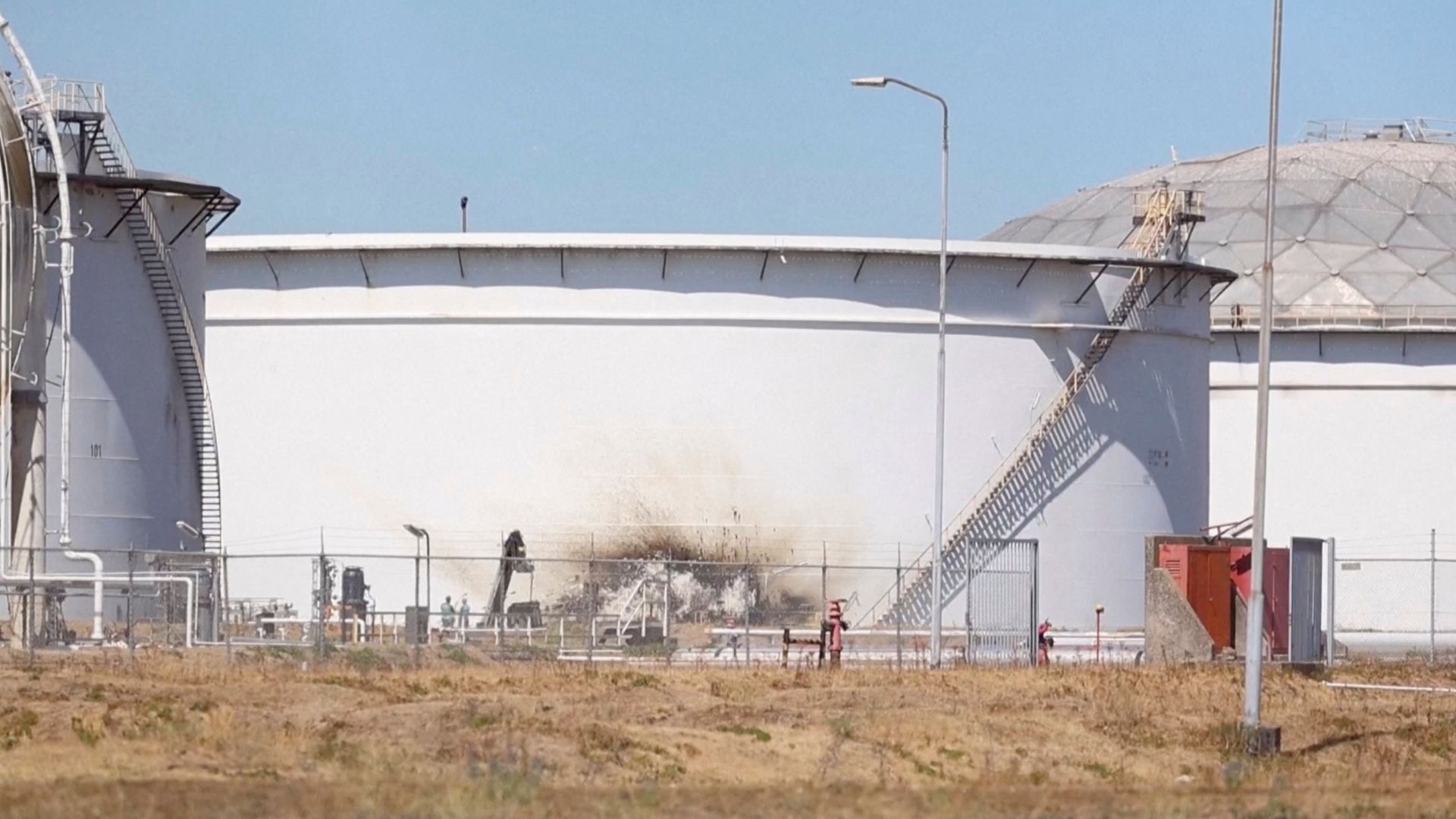
Port infrastructure represents one of the most concentrated intersections of heavy logistics, hazardous material storage, and high-energy transfer operations globally. When a structural containment failure occurs within a maritime logistics hub—resulting in fatalities and injuries—the event is rarely an isolated anomaly. It is the visible culmination of systemic vulnerabilities across operational safety protocols, material handling workflows, and regulatory oversight mechanisms.
To understand the mechanics of a port explosion, analysts must move past initial casualty counts and examine the underlying failure modes. This requires deconstructing the incident through three core structural lenses: the kinetic containment model, the operational variable matrix, and the cascading failure cascade.
The Kinetic Containment Model
Every industrial port functions as a closed-loop ecosystem of energy management. Materials ranging from petrochemicals to combustible bulk powders are continuously loaded, unloaded, stored, and transited. Safety architecture relies on strict physical separation and pressure relief systems designed to mitigate localized ignition events before they breach structural boundaries.
When a blast occurs, it indicates a catastrophic failure of the kinetic containment model. This failure generally manifests in one of three ways:
- Atmospheric Accumulation: Volatile vapors or combustible dusts breach primary containment seals and mix with ambient air within a confined or semi-confined space, reaching their lower explosive limit.
- Thermal Overload: External or internal heat sources exceed the thermal rating of containment vessels, triggering runaway exothermic reactions or boiling liquid expanding vapor explosions.
- Mechanical Integrity Breakdown: Fatigue, corrosion, or kinetic impact compromises the structural walls of pipelines, silos, or cargo holds, allowing pressurized contents to escape into uncontrolled environments.
The physical severity of the blast is a direct function of the energy release rate versus the dissipation capacity of the surrounding architecture. In maritime logistics environments, confined spaces compound this dynamic by reflecting blast waves, exponentially multiplying structural damage and localized pressure spikes.
The Operational Variable Matrix
Port operations are characterized by high concurrency. Multiple contractors, shifting cargo profiles, and heavy machinery operate simultaneously under tight turnaround windows. This complexity introduces a multi-layered matrix of operational variables that directly influence safety margins.
Human Error and Protocol Drift
Standard operating procedures are frequently subjected to normalization of deviance, where small deviations from safety protocols become routine because immediate failure does not occur. Over time, these cumulative micro-deviations erode the safety buffer until a single misstep—such as improper grounding during fuel transfer or the introduction of a non-spark-safe tool in a hazardous zone—triggers an ignition sequence.
Supply Chain Velocity Pressures
Economic incentives in maritime logistics reward rapid cargo throughput. When turnaround times dictate operational tempo, maintenance schedules for critical safety valves, gas detection arrays, and fire suppression systems are compressed or deferred. This introduces latent defects into the operational environment, shifting the system from a state of proactive risk management to reactive crisis management.
The Cascading Failure Sequence
The timeline of a port explosion follows a strict, non-linear progression from initial trigger to catastrophic impact. Analyzing this sequence highlights where intervention could have altered the outcome.
- Primary Breach: The initial containment failure occurs, releasing hazardous materials or generating localized thermal energy.
- Ignition Vector: The escaped substance encounters an unmanaged ignition source, such as static discharge, hot work sparks, or electrical equipment not rated for hazardous locations.
- Pressure Wave Generation: Rapid combustion converts chemical energy into kinetic pressure waves, expanding outward from the epicenter at supersonic speeds.
- Secondary Structural Collapses: The primary shockwave damages adjacent infrastructure, rupturing secondary fuel lines, collapsing crane gantries, or breaching neighboring storage units, thereby compounding the initial event.
- Emergency Response Bottleneck: Personnel and emergency services attempt to deploy mitigation strategies, but find their access restricted by structural debris, dense smoke, or secondary blast hazards.
The transition from a localized incident to a multi-casualty emergency is accelerated by the density of port architecture. Because transport nodes are engineered for maximum spatial efficiency, safety buffers between distinct hazardous zones are frequently minimal.
Regulatory and Structural Limitations
Traditional safety frameworks governing maritime ports rely heavily on prescriptive compliance. Facilities are audited against static checklists that verify the presence of safety equipment rather than testing the dynamic resilience of the overall system under stress.
Prescriptive models fail in complex, high-variability environments because they cannot anticipate novel combinations of operational failure. Furthermore, jurisdictional fragmentation across port authorities, private terminal operators, municipal emergency services, and national regulatory bodies creates communication latency during crisis response and dilutes accountability during safety audits.
Strategic Operational Redesign
To eliminate the systemic vulnerabilities that lead to catastrophic port incidents, terminal operators and logistics strategists must implement a shift from static compliance to dynamic risk engineering.
Automated Real-Time Containment Isolation
Facilities must upgrade legacy shut-off infrastructure to include automated, sensor-driven isolation valves and blast-actuated physical barriers. These systems must operate independently of human intervention, utilizing distributed fiber-optic acoustic sensors and fast-response gas chromatography arrays to detect anomalies and isolate affected zones within milliseconds of a primary breach.
Dynamic Safety Auditing
Replace periodic compliance inspections with continuous, telemetry-based operational monitoring. Track stress metrics on storage vessels, monitor environmental accumulation of combustible particulates in real time, and enforce hard operational halts when throughput velocity metrics indicate that safety margins are being compressed beyond certified tolerances.
Decentralized Emergency Protocols
Establish autonomous, localized emergency response nodes throughout the port facility rather than relying on a single, centralized response unit. This minimizes response latency and ensures that initial containment and medical triage can proceed immediately even if primary transit corridors are compromised by structural debris.