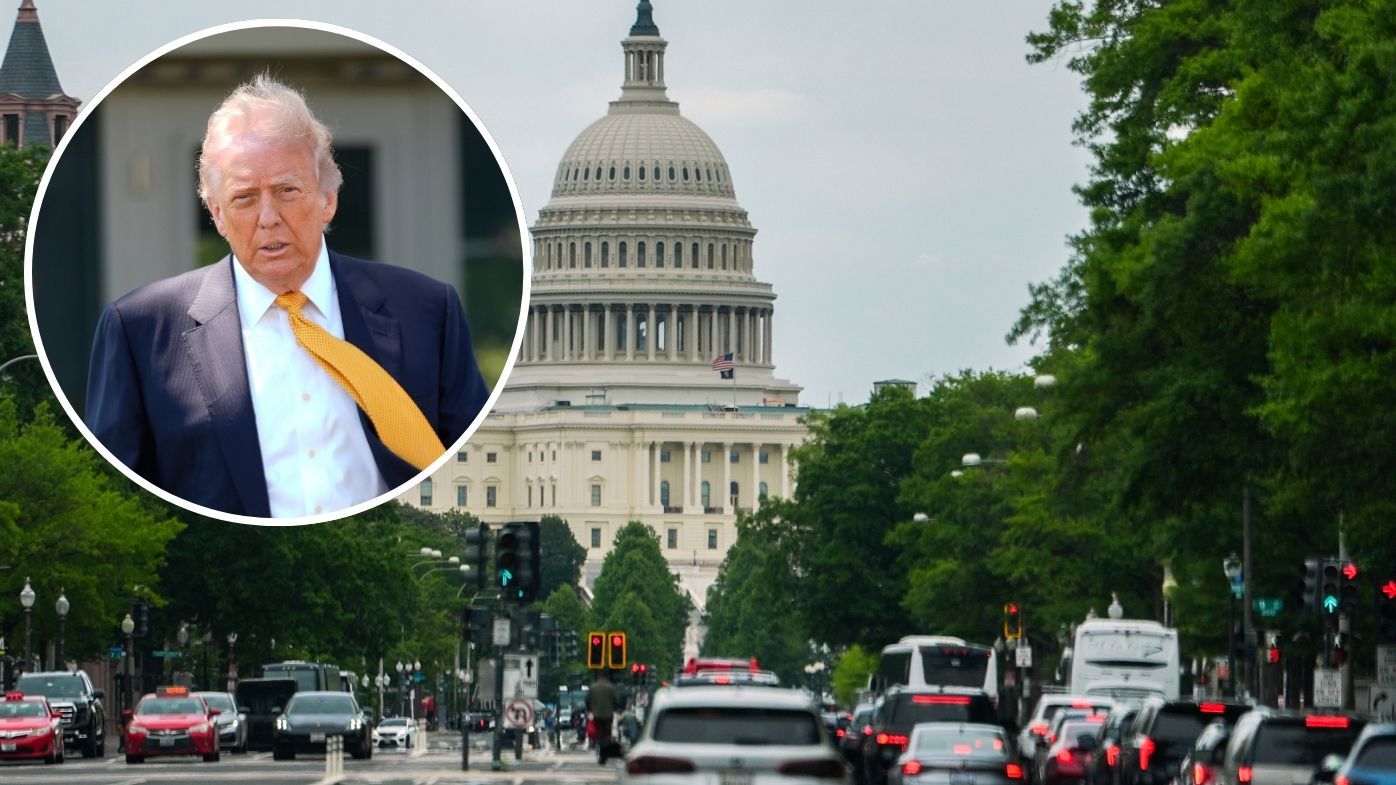
The United States House of Representatives failed by a single vote on Thursday to pass a War Powers resolution that would have forced President Donald Trump to end the military campaign in Iran. The 212–212 tie means the measure fell just short of the majority needed to legally bind the commander-in-chief, matching a similarly razor-thin 50–49 defeat in the Senate just one day prior. While partisan commentators are focusing entirely on the dramatic, single-vote defections of lawmakers like Democratic Senator John Fetterman or Republican Representative Warren Davidson, they are missing the far more dangerous structural reality.
The executive branch has effectively engineered a loophole in the War Powers Resolution of 1973, altering how modern conflicts are legally classified to bypass congressional oversight entirely.
By exploiting a temporary ceasefire to claim that "hostilities" have technically paused, the White House has successfully rewritten the rules of engagement. This strategy leaves a fractured legislative branch holding a toothless 60-day clock, unable to assert its constitutional authority even as American forces remain deployed in a volatile theater.
The Semantic Reclassification of War
The War Powers Resolution of 1973 is unequivocal in its phrasing. It mandates that a president must withdraw armed forces from unauthorized hostilities within 60 days unless Congress declares war or grants a specific extension.
That statutory deadline passed on May 1. The clock originally began ticking on March 2, when the Trump administration formally notified lawmakers of joint U.S.-Israeli airstrikes launched against Iranian targets on February 28.
Instead of seeking an Authorization for Use of Military Force (AUMF) as previous administrations have done when hitting a statutory wall, the White House chose a different path. It simply declared that the war, for all legal intents and purposes, had paused.
On the day of the deadline, the president notified Congress that active hostilities had "terminated" because no direct exchange of fire had occurred since a nominal ceasefire took effect on April 7.
By the Pentagon’s logic, the 60-day clock did not expire; it was put on ice.
THE WAR POWERS CLOCK: EXECUTIVE VS. LEGISLATIVE LOGIC

[Feb 28: Airstrikes Began] ───► [March 2: Formal Notification] ───► [April 7: Ceasefire Begins]
                                                                        │
┌───────────────────────────────────────────────────────────────────────┴─────────────────────────────┐
│ WHITE HOUSE INTERPRETATION:                                                                         │
│ "Hostilities terminated." The 60-day statutory clock stops running completely.                       │
└─────────────────────────────────────────────────────────────────────────────────────────────────────┘
┌───────────────────────────────────────────────────────────────────────┬─────────────────────────────┐
│ CONGRESSIONAL INTERPRETATION:                                         │ [May 1: Statutory Deadline] │
│ The clock cannot be paused by executive decree. Deployment continues.  │ War is now unauthorized.     │
└───────────────────────────────────────────────────────────────────────┴─────────────────────────────┘
This is not a minor bureaucratic disagreement. It represents a fundamental shift in how the executive branch can wage war without legislative approval. If a administration can reset or suspend a statutory deadline merely by orchestrating a temporary lull in combat operations, the War Powers Act ceases to exist as a meaningful check on presidential power. It transforms a strict constitutional boundary into an administrative label that can be manipulated at will.
The Maverick Defections That Saved the White House
The razor-thin margins in both chambers reveal a deep institutional anxiety that cuts sharply across traditional party lines. In the Senate’s 50–49 vote on Wednesday, three Republicans—Lisa Murkowski of Alaska, Susan Collins of Maine, and Rand Paul of Kentucky—broke ranks to vote with Democrats to advance the resolution. Murkowski openly expressed her frustration to reporters, stating that her vote shifted because the administration refused to provide Congress with basic clarity regarding the long-term strategy in the region.
Conversely, the White House found its most critical ally in an unexpected place. Senator John Fetterman, a Pennsylvania Democrat, cast the deciding vote to tank his own party’s resolution. Fetterman defended his alignment with the administration by framing Iran as an existential threat that transcends domestic political maneuvering.
His defiance has scrambled the political mathematics in Washington, triggering intense behind-the-scenes lobbying by the GOP to convince the centrist to formally switch parties and secure a stable Republican majority.
A near-identical drama unfolded in the House on Thursday. Three Republicans—Thomas Massie of Kentucky, Brian Fitzpatrick of Pennsylvania, and Tom Barrett of Michigan—voted in favor of reining in the executive branch. The measure was ultimately killed when Representative Warren Davidson, an Ohio Republican who had previously supported the war-limiting measures, flipped his vote back to the party line, creating the unbreakable 212–212 tie.
Meanwhile, Representative Jared Golden of Maine was the sole Democrat to vote against the resolution. Golden argued that the text of the resolution, which was drawn up in March and demanded a withdrawal within 30 days of the conflict's start, had become functionally obsolete now that American forces have been on the ground for more than 70 days.
The True Cost of Parliamentary Theatre
The tragedy of the current congressional standoff is that these votes, despite their high-stakes optics, are largely symbolic. Even if the House and Senate managed to flip a single vote to pass a War Powers resolution, they remain miles away from the two-thirds majority required to override a certain presidential veto.
Democratic leadership, including Senator Tim Kaine and Representative Gregory Meeks, argue that forcing these weekly votes maintains immense political pressure on the White House. They point to the economic fallout hitting American families—surging gasoline prices, disrupted supply chains in the Strait of Hormuz, and spiking food costs—as evidence that the public is losing appetite for an unauthorized conflict.
But political pressure is a poor substitute for constitutional teeth. While lawmakers debate non-binding resolutions and argue over parliamentary deadlines, the financial and military commitments on the ground continue to compounding.
Some Republicans are attempting to find a middle path. Representative Tom Barrett recently introduced a limited AUMF that would grant the administration formal authority to conduct operations in Iran, but only until July 30. His goal is to force the White House to clearly define its mission parameters and prevent another open-ended, multi-decade engagement.
The reality, however, is that the executive branch has no structural incentive to accept Barrett’s compromise. As long as the Pentagon can maintain that its operations fall under the umbrella of "deterrence" and "ceasefire enforcement" rather than active hostilities, the White House can continue to operate entirely outside the boundaries of congressional consent.
Congress is not just losing the vote to end the war in Iran. It is losing the systemic ability to define what constitutes a war in the first place.