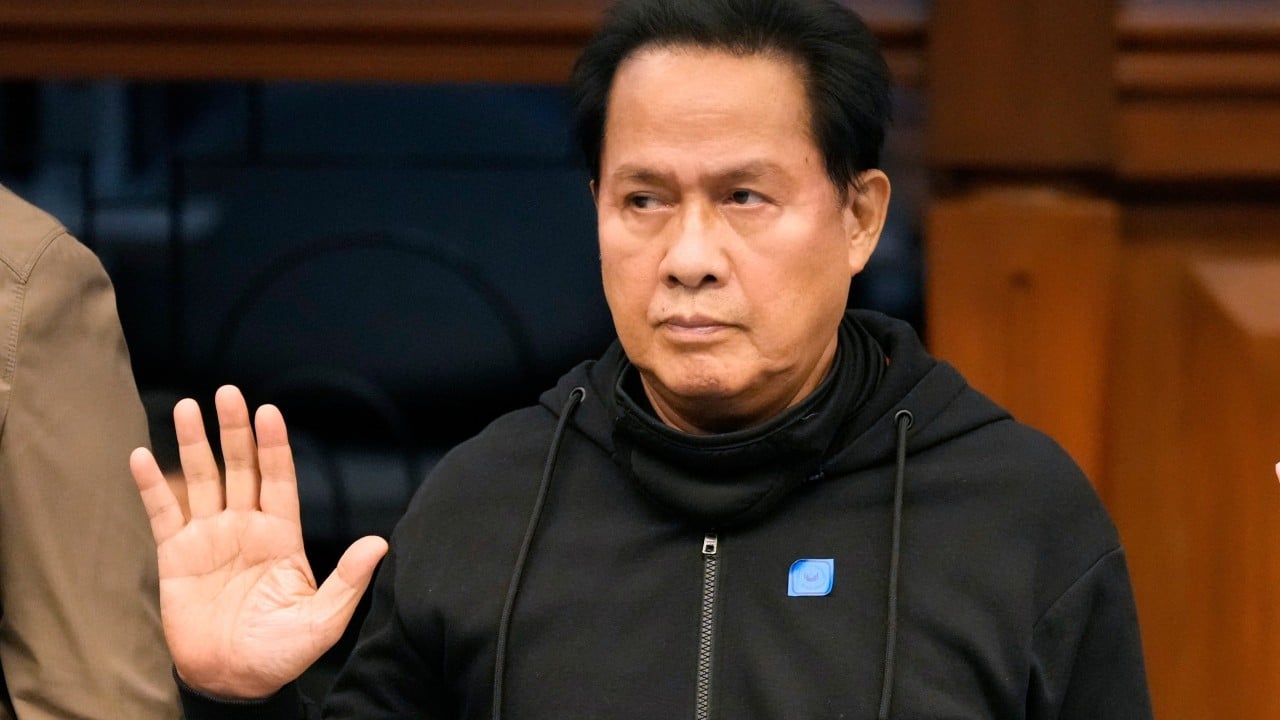
The grand opening of the 75,000-seater Kingdome in Davao City serves as more than just a milestone for the Kingdom of Jesus Christ (KOJC) religious movement. It stands as a concrete monument to an enduring political alliance. The September 2026 launch of this massive arena, arriving nearly two years after a violent police siege of the compound and the eventual detention of founder Apollo Quiboloy, became a stage where local political power and religious devotion openly intertwined.
Crowds numbering in the tens of thousands flooded the facility while prominent political figures, notably Davao City Mayor Sebastian Duterte, appeared in support. Concurrently, an artificial intelligence projection of the imprisoned preacher addressed the masses. This display underscores a deeper reality of contemporary Philippine politics. Dynastic alliances and religious conglomerates do not simply coexist; they rely on each other for survival, mutual legitimation, and institutional muscle.
The Architecture of Influence
Measuring a staggering 5.84 hectares of floor area and sunk nine meters into the earth to clear aviation height limits near the local international airport, the Kingdome represents a 14-year engineering feat. Financing a thirteen-billion-peso project requires an extraordinary concentration of capital, organizational discipline, and unyielding follower devotion.
Megastructures built by religious entities rarely serve purely spiritual functions. They act as spatial claims to sovereignty. By erecting what is touted as the world's largest indoor arena right in the heart of Davao, the KOJC established a permanent territorial anchor. Observers often view these projects through an architectural lens, marveling at the 10,800-ton cooling capacity or the seismic engineering designed to withstand major earthquakes. Yet the true blueprint is political. The arena projects permanence at a time when the church's leadership faces severe federal charges, including human trafficking and child abuse, both locally and in the United States.
The Duterte Factor and the Opposition Playbook
The presence of Mayor Sebastian Duterte at the opening ceremonies highlights the unbroken ties between the Duterte clan and the KOJC network. Even as former President Rodrigo Duterte faces proceedings before the International Criminal Court, and Quiboloy remains detained at the Pasig City Jail, the alliance remains active.
For the Dutertes, maintaining a solid front with the KOJC secures a disciplined voting bloc in the southern Philippines. For the church, aligning with the country's most prominent political dynasty provides a shield against state overreach. When state forces raided the sprawling compound in 2024, the resulting standoff exposed deep fractures between local Mindanao loyalists and the national administration in Manila.
The launch event bypassed ordinary caution. Speakers and attendees turned the anniversary celebration into a political gathering. The deployment of an AI-generated likeness of Quiboloy to greet his followers demonstrates an adaptation to legal constraints, ensuring the leader's presence looms large even from behind bars.
Beyond the Spectacle
Critics dismiss these massive gatherings as mere distraction tactics, designed to rally the faithful against judicial accountability. Supporters view them as proof of divine favor weathering political persecution. The truth sits uncomfortably between these two poles.
The intersection of state power and religious populism in the Philippines has a long history, but the Kingdome launch elevates it to an industrial scale. It proves that administrative detention and criminal indictments do not automatically dismantle a well-entrenched patronage network. Instead, the network retreats, reorganizes, and builds concrete monoliths to signal its resilience.
As the lights dim inside the massive Davao arena and the crowds disperse into the Mindanao night, the structural reality of the Duterte-Quiboloy axis remains intact. Concrete, steel, and unyielding political loyalty have created a fortress that state prosecutors will find exceptionally difficult to penetrate.