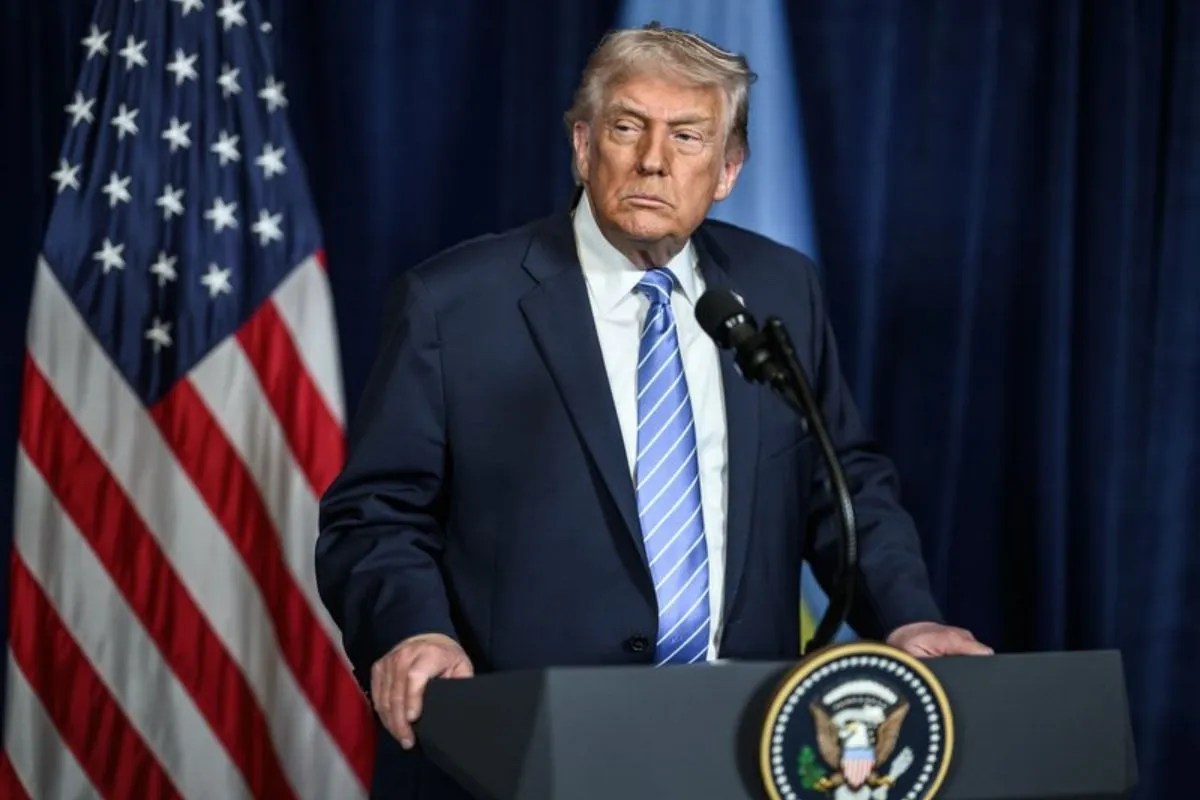
The White House policy decree sounded like a straightforward economic victory on paper. Impose a two-year tariff waiver on foreign generic medicines, followed by a punishing 100 percent levy in August 2028 and a crushing 200 percent penalty in August 2029. The stated goal is simple, force pharmaceutical manufacturers to build factories in the United States or pay severe import duties. Yet behind the political posturing lies a terrifying industry reality that trade strategists have entirely ignored. Generic drug supply chains operate on paper-thin profit margins, razor-sharp regulatory timelines, and fragile global partnerships. Forcing these manufacturers to build domestic plants within twenty-four months does not bring manufacturing home. It threatens to empty hospital pharmacies across America.
Executives across global generic markets describe the proposed timeline as completely out of scope. Their assessment is not political posturing. It is grounded in basic factory economics and biological lead times. Expanding on this theme, you can also read: Alphabet Infrastructure CapEx and Cash Drag Deconstructed.
The Two Year Illusion and the Economics of Cheap Pills
Brand-name pharmaceuticals generate gross margins above eighty percent, allowing those companies to absorb political pressure or absorb localized manufacturing costs. Generic drugmakers operate in an entirely different financial universe. Margins on basic copycat medicines like blood pressure pills, generic antibiotics, and cholesterol treatments often sit in single digits.
Companies cannot simply absorb a 100 percent tariff, let alone a 200 percent tax. They have two options. They can pass the fee directly to American buyers, or they can stop supplying the American market altogether. Observers at CNBC have also weighed in on this situation.
Building a pharmaceutical facility in the United States is not like opening a distribution warehouse. Constructing a sterile, compliant manufacturing plant requires specialized cleanroom environments, customized stainless-steel reactors, and rigorous environmental controls. The facility construction alone takes up to three years. Validating the equipment, transferring complex chemical processes, and running batch testing adds another eighteen months.
Then comes the regulatory bottleneck. The Food and Drug Administration must inspect every line, audit every quality control process, and grant formal facility approvals. That regulatory queue alone routinely stretches beyond a year. Expecting global companies to buy land, construct plants, secure regulatory clearance, and begin commercial manufacturing in two years ignores basic scientific and regulatory reality.
Why Generic Drug Supply Chains Cannot Be Moved Overnight
The United States relies on foreign manufacturers for roughly nine out of every ten generic prescriptions filled at local pharmacies. Indian companies alone produce nearly half of these essential daily medicines, operating high-volume facilities that drive down cost through sheer scale.
U.S. Generic Drug Ecosystem at a Glance
+------------------------------------+---------------------------------------+
| Prescription Volume Overseas       | ~90% of generic prescriptions filled   |
| Primary Overseas Supplier          | India (~47% of US generic volume)     |
| Domestic Manufacturing Cost Gap    | U.S. production costs 40% - 60% higher|
| Facility Regulatory Approval Window| 4 to 5 years minimum lead time        |
+------------------------------------+---------------------------------------+
Moving those operations to domestic soil introduces a massive cost penalty. Manufacturing expenses in the United States run forty to sixty percent higher than in major international manufacturing hubs due to labor, construction, and environmental compliance costs. When a basic generic medication sells for pennies per dose, doubling production costs wipes out the business case entirely.
The math behind reshoring breaks down when faced with basic unit economics. If an overseas producer charges ten cents per pill, a 200 percent tariff pushes that import price to thirty cents. Building an equivalent facility in the United States might produce that same pill at twenty-five cents due to elevated domestic operating overhead. Neither scenario delivers cheap medicine to the patient. Instead, both paths drive up costs for healthcare systems, insurers, and everyday consumers.
The Regulatory Bottleneck
Transferring a drug formulation from one plant to another requires comprehensive stability testing. Manufacturers must store samples at controlled temperatures for months to prove the medicine does not degrade over time. These stability studies cannot be rushed. Skirting these timelines risks compromised medication reaching hospital shelves, threatening patient safety.
When policymakers demand rapid domestic transfers, they force drug companies to gamble between regulatory non-compliance and multi-million-dollar losses. Most manufacturers will simply choose to walk away.
The Impending Shortage Crisis for American Patients
The immediate consequence of aggressive trade barriers on generic medicines will not be a sudden boom in domestic factory jobs. It will be widespread drug shortages.
When profit margins evaporate, companies pull products from store shelves. If a manufacturer loses money sending a critical cancer treatment or basic IV fluid to the United States because of a 100 percent import tax, the commercial board will reallocate production capacity to European or Asian markets where trade conditions remain stable.
American hospitals are already navigating historic shortages of essential injectable medicines, saline solutions, and basic anesthetics. Pushing high tariffs onto international suppliers will choke off the remaining supply lines before any domestic replacement capacity comes online.
Shortages trigger panic buying, price spikes, and forced medical substitutions. Doctors are often compelled to prescribe second-tier alternative medications that may carry higher side-effect profiles or cost patients hundreds of dollars more per month. The public health cost of these disruptions far outweighs any trade tariff revenue collected by the federal government.
Tariff Threats Meet the Reality of Offshore Active Ingredients
The policy proposal overlooks an even deeper vulnerability in medicine manufacturing. A finished pill is only as secure as the raw materials used to make it.
Even if a generic drug company constructs a state-of-the-art tablet pressing facility in Ohio or Texas, that plant remains useless without active pharmaceutical ingredients. Over eighty percent of global active pharmaceutical ingredient production facilities are located overseas, heavily concentrated in India and China.
The current policy focus centers on finished dosage forms, leaving the underlying ingredient supply chain entirely unresolved. Taxing finished pills while remaining totally dependent on foreign chemical plants for active ingredients creates a false sense of domestic health security.
Supply Chain Vulnerability Chain
[ Foreign Raw Chemical Production ]
               ↓
[ Overseas Active Pharmaceutical Ingredient Synthesis ]
               ↓
[ Finished Tablet Pressing / Packaging ]
If trade policy penalizes finished imports without fixing the underlying active ingredient gap, domestic facilities become empty shells during any real global crisis. True manufacturing resilience requires building up chemical infrastructure from the ground up, a multi-decade project that demands direct capital investment rather than punitive tariff threats.
Strategic Alternatives for Medicine Security
Punishing foreign manufacturers with unworkable timelines will not build a resilient pharmaceutical sector in North America. If the objective is securing national medicine supplies, federal policy must shift from punishment to structural incentives.
- Long-term federal procurement contracts that guarantee minimum purchasing volumes for domestically produced essential generics.
- Accelerated FDA review pathways specifically designated for companies building domestic active pharmaceutical ingredient facilities.
- Direct federal grant programs that subsidize the heavy capital expenditure required for high-tech, automated sterile manufacturing plants.
- Strategic partnerships with allied nations to diversify raw material sourcing rather than attempting complete national isolation.
Slapping a 200 percent import tax on low-cost generic drugs assumes that global supply chains can be reshaped by executive decree overnight. It ignores the biological timelines of medicine production, the thin margins of generic manufacturing, and the real-world economics of patient care. Unless trade policy aligns with the physical realities of pharmaceutical production, American consumers will pay the price, either through skyrocketing pharmacy bills or empty medicine cabinets.
An insightful breakdown on how Trump's 100% Generic Drug Duty Threatens US Low-Cost Supply provides key context on the economic pressure and potential supply chain disruptions facing generic drugmakers.