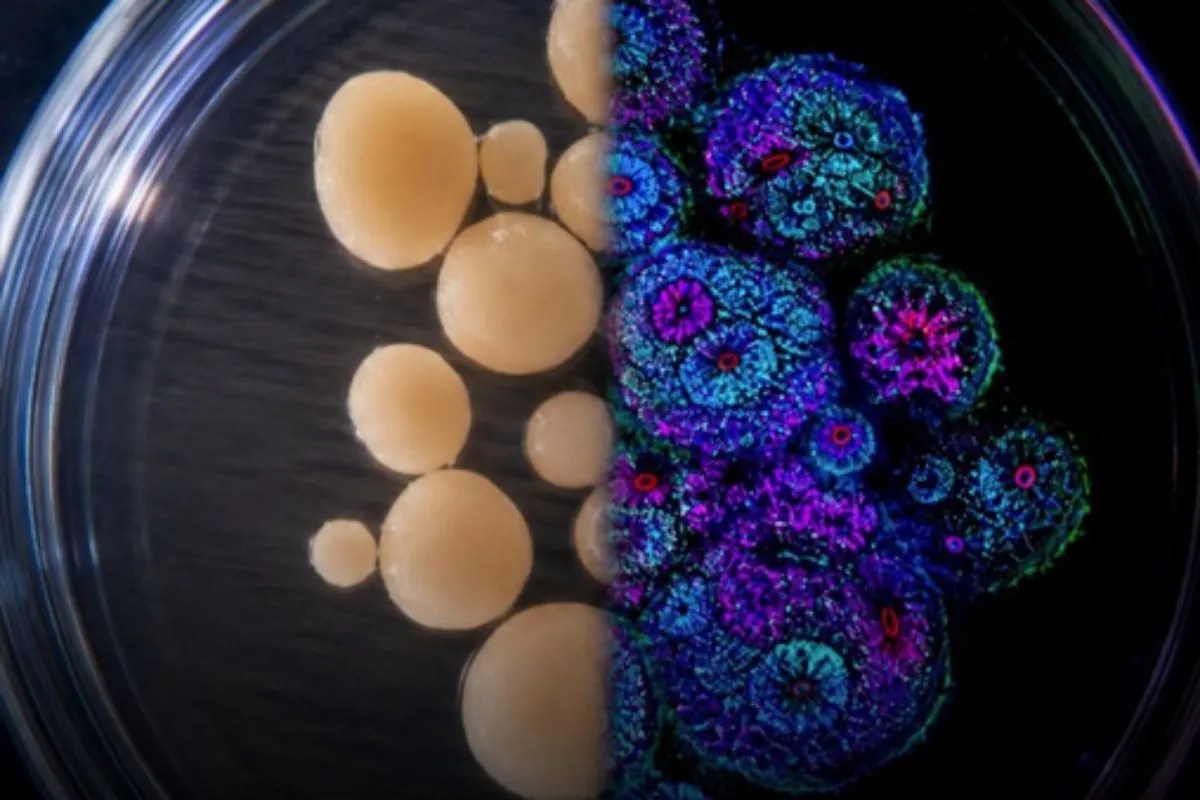
For decades, neuroscientists operated under a frustrating biological ceiling. When human brain tissue was removed from the protective environment of the skull and placed into a laboratory dish, it had an expiration date. Neurons withered, support cells degraded, and complex developmental trajectories ground to a halt within weeks or months. That barrier has officially fallen. Researchers at Harvard University have maintained human brain organoids in culture for over five years, with some cultures stretching toward seven years.
This milestone is not merely about setting a longevity record for peppercorn-sized clumps of cerebral cortex tissue. It exposes an intrinsic cellular clock that dictates how human neurons age and mature completely independent of a living body. The implications stretch across neurology, pharmacology, and the fundamental philosophy of how we model human cognition.
The Engineering Challenge of Cellular Longevity
Neurons are notoriously high-maintenance cells. They demand precise chemical environments, steady energy supplies, and constant electrical dialogue to stay alive. In standard laboratory cultures, researchers watch helplessly as fragile neurons die off, leaving behind a disproportionate number of durable astrocytes.
The Harvard team, led by stem cell biologist Paola Arlotta, bypassed this hurdle by rethinking the life support systems of the culture dish. They deployed a specialized liquid medium tailored to encourage spontaneous electrical firing while introducing targeted amino acid supplements that functioned as auxiliary fuel sources.
Within months, the results shifted dramatically. The organoids did not just survive; they formed dense synaptic networks capable of sustained, measurable electrical bursts that researchers recorded for over two years. By giving the tissue what it needed to talk to itself electrically, the team solved the primary bottleneck that had trapped organoid research in early developmental phases since its inception.
Decoding the Cellular Timekeeper
The most startling discovery of the multi-year study emerged when investigators tracked the molecular age of the tissue. Using whole-genome methylation profiling—a process where chemical tags attach to DNA and serve as an accurate biological clock—the team found that the organoids tracked the passage of time with uncanny precision.
The tissue did not just sit in stasis. It transitioned through transcriptional stages that mirrored embryonic development and the early phases of human life. Cells that spent years in a dish accumulated the appropriate molecular markers of aging without ever experiencing a heartbeat, sensory input, or a waking moment.
To test whether this clock was hardwired into the cells themselves, researchers conducted a cellular mixing experiment. They combined neural progenitors harvested from old, long-cultured organoids with progenitors from newly grown tissues.
The young cells followed their standard, sluggish developmental timeline. The old progenitors immediately skipped past early milestones and began generating late-stage neurons that would normally require months of prior development. Every individual cell retained an internal memory of its own history, marching to a biological drumbeat written entirely into its genetics.
Moving Past the Static Model of Disease
Traditional drug discovery for neurodegenerative conditions has long suffered from a dirty secret. Animal models fail to translate to human therapies with depressing regularity. Mouse brains are simply not human brains, and short-lived cell cultures only display the juvenile characteristics of neurological disorders.
By maintaining organoids for years, scientists can finally model conditions that take decades to manifest. Late-onset pathologies such as Alzheimer's disease, severe forms of schizophrenia, and complex neurodevelopmental spectrum disorders require time to reveal their mechanisms.
These long-lived structures offer a human-specific platform to observe how synapses degrade over long stretches. They provide a window into the slow accumulation of molecular errors that lead to cognitive decline.
Yet, the ethical and technical horizons are shifting as well. Culturing brain tissue for seven years is expensive, labor-intensive, and pushes the absolute limits of current bioreactor technology. The next frontier requires cracking the code of how to accelerate this biological clock artificially. If researchers can figure out how to force young organoids to age rapidly in weeks instead of years without losing fidelity, the timeline for drug screening will compress dramatically.
The tissue has already fulfilled its primary experimental purpose and has been retired, but the paradigm has shifted. Human brain cells can keep their own time in the dark of a laboratory incubator, recording the years entirely on their own terms.