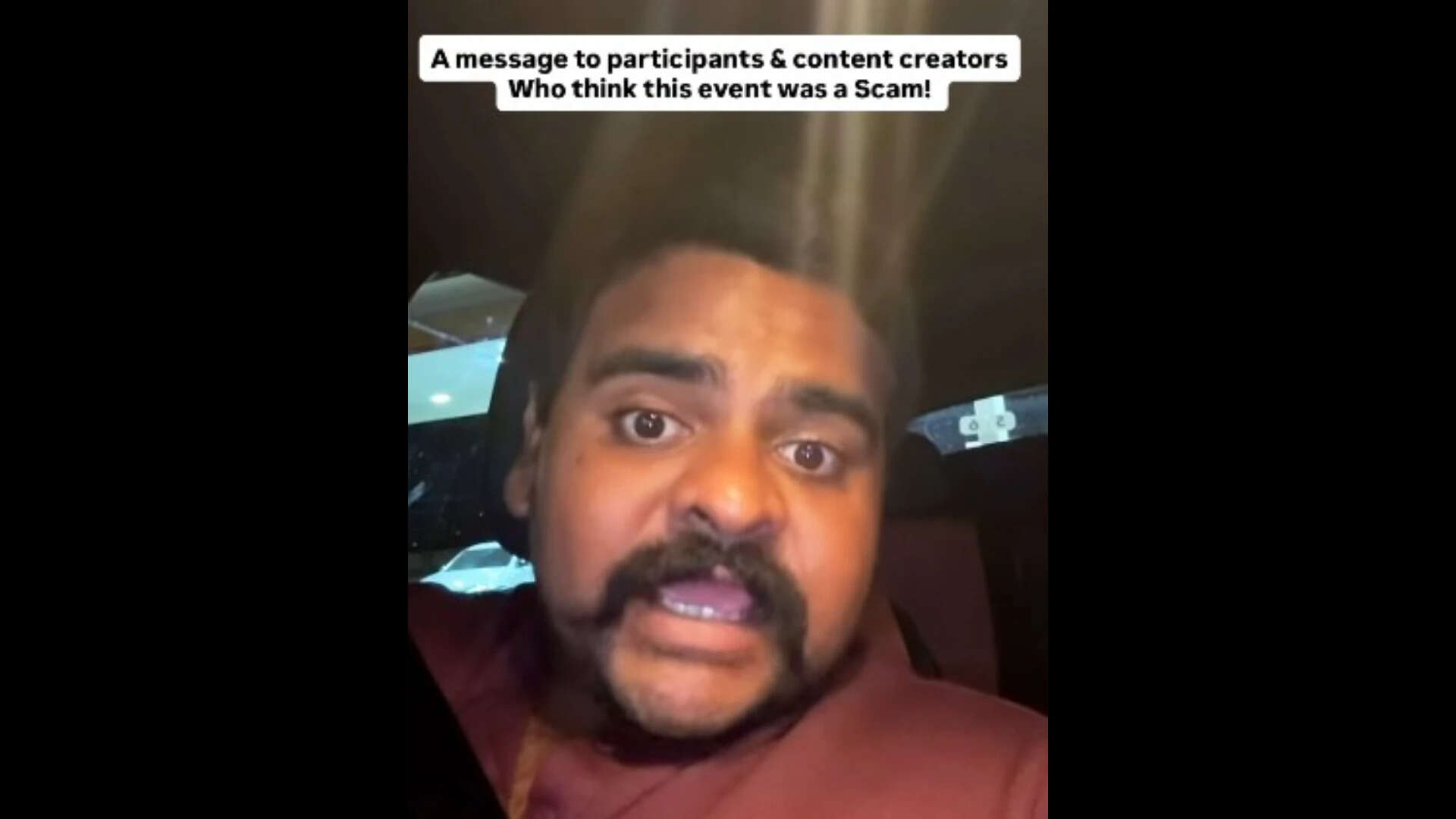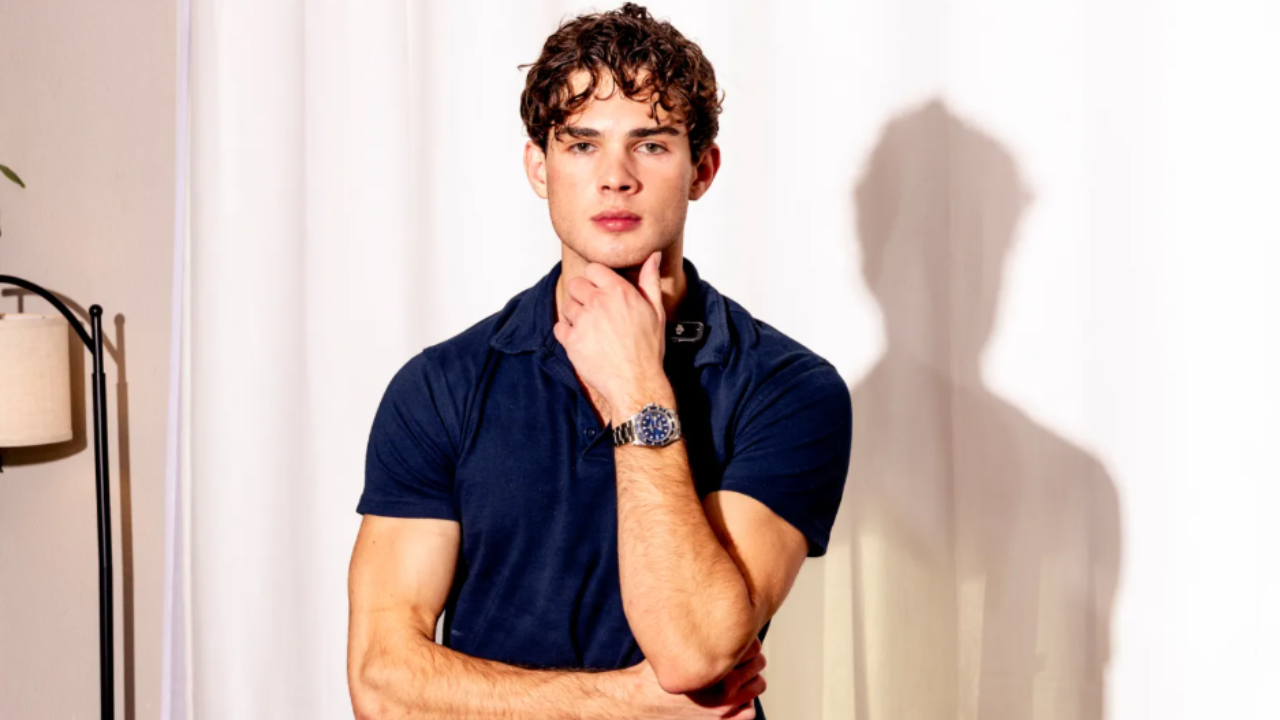
The algorithmic funnel from deep-seated teenage insecurity to a high-ticket weekend mastermind on a Miami charter yacht is shorter than any regulator or parent cares to admit. When 20-year-old Kick streamer Clavicular, born Braden Peters, announced his "Ascension Summit," the internet treated it as another bizarre milestone in the commercialization of internet subcultures. Digital flaneurs laughed at the $97 virtual passes, the $297 general admission tickets promising "mog battles," and the opaque, four-figure VIP application process requiring young men to state how much cash they were willing to invest in personal growth.
But this is not a joke. It is the logical conclusion of a predatory economic engine that converts severe body dysmorphia into cold, hard cash.
To understand why hundreds of young men are willing to drain their bank accounts for a weekend in Miami with a creator who recently broadcasted his own swollen, post-surgical face after a rapid-fire series of cosmetic operations, you have to look beneath the surreal vocabulary of the looksmaxxing movement. This is no longer just an underground internet forum where lonely teenagers obsess over facial symmetry and jawline angles. It has evolved into a highly coordinated, multi-tiered direct-to-consumer monetization machine. Clavicular did not invent this anxiety, but he is among the first to successfully institutionalize it into a classic high-ticket coaching funnel.
From Incel Despair to Corporate Upsell
The looksmaxxing phenomenon originated within the toxic ecosystem of 2010s involuntarily celibate forums. In those digital corners, young men viewed physical attractiveness as a deterministic, brutal lottery. You were either born with a "god-tier" bone structure or you were "subhuman," permanently locked out of romantic and social success.
What Clavicular and his contemporaries realized is that pure fatalism does not sell products. Despair is static. To build a business, you have to convert that fatalism into a pipeline of continuous, desperate consumption.
They rebranded the subculture from a suicide pact into a self-improvement regimen. The message shifted: you might have been born with flaws, but through supreme discipline, chemical optimization, and aggressive physical intervention, you can "ascend." Suddenly, a demographic of deeply isolated, highly impressionable young boys became a hyper-monetizable customer base. They were desperate for any tool, supplement, or routine that promised a way out of their perceived inadequacy.
The corporate layout of the Ascension Summit mirrors the exact playbook used by crypto hucksters, real estate gurus, and multi-level marketing operations.
- The Low-Tier Hook ($97): A virtual livestream designed to scale without overhead, gathering thousands of global viewers who cannot afford the trip but want to feel connected to the movement.
- The Mid-Tier Gathering ($297): The physical event in Miami, where the crowd dynamic creates an echo chamber of validation. Here, terms like "mewing" (pressing the tongue to the roof of the mouth) and "bonesmashing" (the dangerous practice of using blunt objects to cause micro-fractures in facial bones in hopes of remodeling the jaw) are treated as rational behavioral choices.
- The High-Ticket Capstone (Four Figures): The ultra-exclusive yacht mastermind session. Limited to just ten participants, the selection application explicitly filters for individuals who are willing to spend at least $1,000 and possess a social media following.
This is classic information product marketing. The streamer hooks the audience through extreme, algorithmically optimized stunts on platforms like Kick and TikTok, builds a parasocial bond rooted in shared physical insecurity, and then filters the most vulnerable, high-net-worth followers into high-margin in-person experiences. The yacht is not a luxury perk. It is a calculated prop designed to project authority and material success, convincing participants that their financial investment will yield tangible status.
The Anatomy of Algorithmic Deception
The economic viability of these real-world summits relies entirely on a strategy known as "contentmaxxing" or clip farming. Every action Clavicular takes is engineered to trigger digital engagement algorithms. When he publicly rates public figures using pseudo-scientific facial metrics, such as criticizing a politician's "short face width to height ratio" or "recessed side profile," he is intentionally generating outrage and controversy.
The algorithms on TikTok and Kick reward this behavior. High engagement leads to massive distribution, which feeds new, insecure teenagers into the top of the marketing funnel.
This business model requires the influencer to constantly escalate their behavior to maintain the audience's attention. Clavicular has openly discussed using anabolic steroids at age 14, taking unprescribed hormones, and undergoing multiple cosmetic surgeries, including a rhinoplasty and otoplasty performed by high-profile surgeons, within a compressed two-week window. The physical risk is part of the marketing cost. By enduring extreme swelling, medical complications, and public ridicule, the creator proves his commitment to the doctrine of ascension. He transforms himself into a martyr for the insecure, demonstrating that no price is too high to pay for physical optimization.
The true deception lies in the promise of the mastermind. The summit pitches itself as a masterclass in personal branding and networking, suggesting that fixing your face and building a brand will automatically solve the structural isolation of modern youth.
But a yacht session cannot fix clinical body dysmorphia. When these young men return home from Miami, their bank accounts lighter by thousands of dollars, their jawlines will remain fundamentally the same. The temporary high of networking with an internet celebrity wears off, leaving the underlying psychological vulnerability untouched. This creates a cycle of dependency. The consumer convinces themselves that they simply didn't work hard enough, didn't buy the right tier of ticket, or need the next advanced seminar to achieve the breakthrough they were promised.
The Reality of the Ascended Lifestyle
The disconnect between the digital myth of looksmaxxing and the reality of the lifestyle was laid bare during recent real-world experiments by these creators. In streams documenting physical gatherings, the transactional nature of these relationships becomes obvious. Influencers who claim to have achieved peak physical attractiveness often appear deeply awkward, defensive, and unable to navigate basic social interactions without a camera rolling. The hyper-focus on minute physical features—the exact length of a clavicle or the precise angle of a gonial jaw line—acts as a psychological defense mechanism. It allows young men to blame their social and romantic struggles on immutable bone structures rather than their own profound lack of emotional maturity and social skills.
The market for this anxiety is expanding. What began as a niche subculture is rapidly normalizing across mainstream teenage demographics.
As long as platforms allow creators to algorithmically target adolescent insecurities with extreme body-modification content, high-ticket masterminds will continue to thrive. The Ascension Summit is merely the first iteration of a broader trend where internet subcultures transition from digital spaces into physical monetization factories. It turns deep psychological isolation into a highly profitable corporate line item, proving that in the modern attention economy, the most valuable commodity on earth is a young man's absolute certainty that he is not enough.