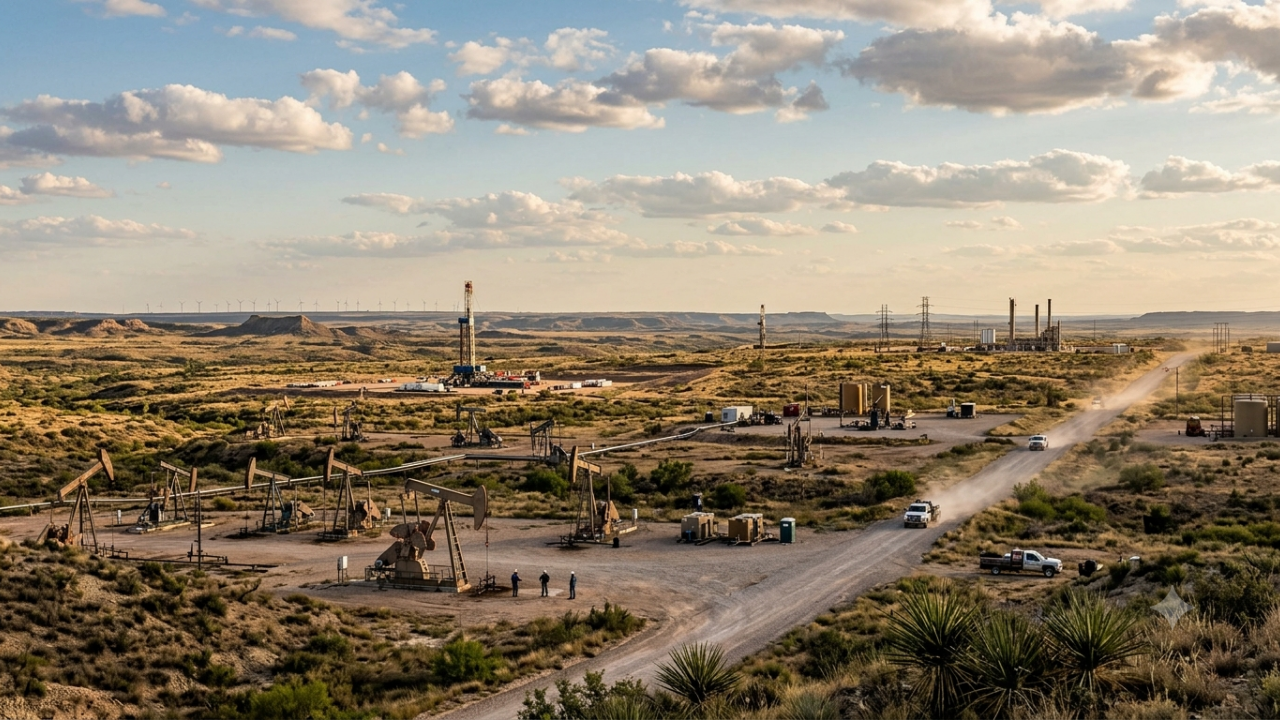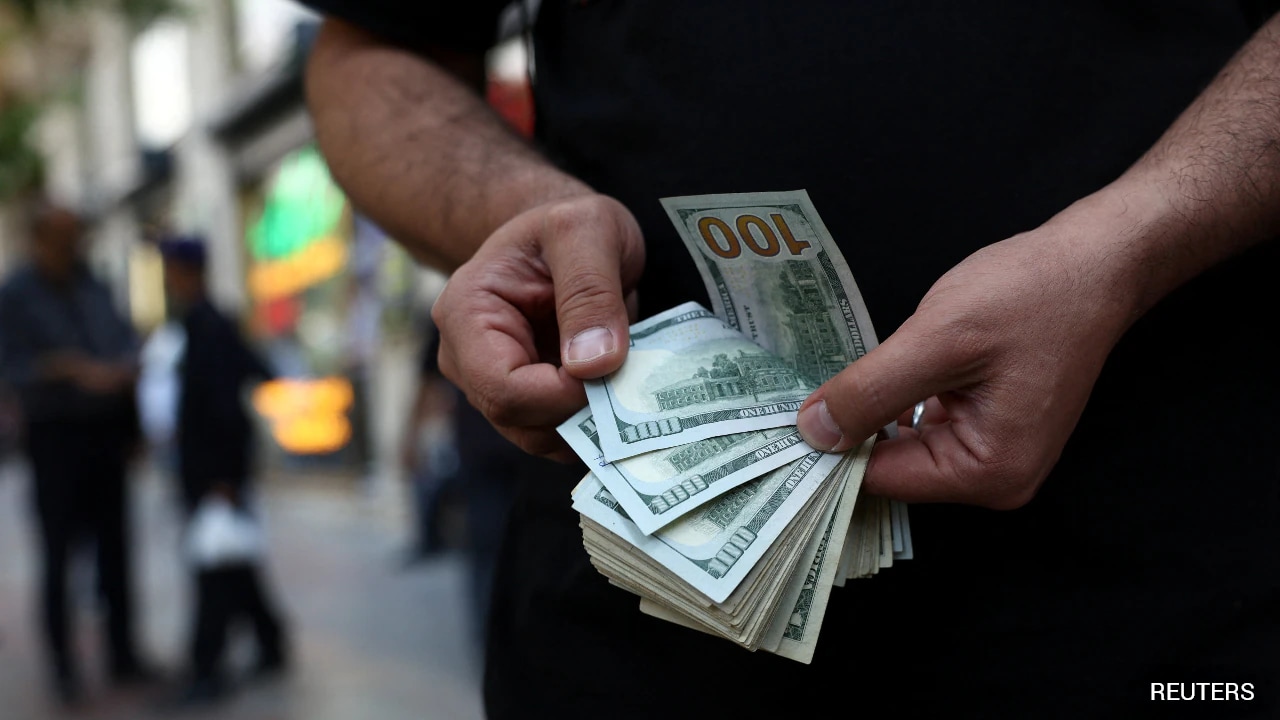
Iran possesses enough foreign currency reserves to weather tightening international restrictions, according to Central Bank Governor Abdolnasser Hemmati. That official assertion arrives straight from Tehran, pitched to counter the mounting economic pressure spearheaded by Washington. The statement assumes immediate urgency as the Iranian rial strains against chronic inflation, capital flight, and aggressive trade prohibitions. Yet, looking past the confident declarations from financial authorities reveals a vastly more complex ledger. Sanctions do not vanish because a central banker projects defiance. Instead, they force an economy into shadowed corridors, alternative settlement systems, and high-stakes survival maneuvers.
Understanding how Tehran maintains its liquid buffers requires examining the machinery of sanctioned trade. When formal oil exports dry up or face severe interception under primary and secondary restrictions, states do not simply cease commercial activity. They adapt. They reroute. You might also find this connected article insightful: Why Waiting 179 Years for a US Green Card is No Longer a Joke.
The Anatomy of Sanctioned Liquidity
Official reserves tell only a fraction of the story. Standard macroeconomic metrics assume a nation interacts with the global financial grid through SWIFT, transparent correspondent banking relationships, and audited central bank depositories. Iran operates almost entirely outside these channels.
When Hemmati insists the vaults contain adequate foreign exchange, he refers to a patchwork of non-transparent assets. These include frozen or restricted funds held in foreign jurisdictions, proceeds from clandestine petroleum sales routed through intermediary tankers, and non-oil export revenues that bypass western tracking mechanisms. As reported in detailed coverage by Harvard Business Review, the implications are worth noting.
Consider a hypothetical example to clarify this mechanic. If a state cannot sell oil directly to European refineries due to punitive banking blockades, it sells discounted crude to private traders who transfer payment through informal hawala networks or localized clearing houses in friendly jurisdictions. The physical oil moves; the paper trail fractures. Cash accumulates in overseas accounts that the central bank counts as reserves, even if moving that capital home remains logistically perilous.
The Cost of Alternative Channels
Liquidity under embargo is expensive. Every layer of mediation eats into the total value of incoming capital.
- Discounted commodities: Crude must be priced significantly below Brent benchmarks to entice buyers willing to shoulder compliance risks.
- Intermediary fees: Shadow brokers, shell companies, and freight forwarders demand high margins for masking the origin of goods.
- Currency conversion friction: Moving funds through multiple sovereign jurisdictions introduces steep exchange rate penalties.
These friction points mean that gross reserves might look stable on paper while possessing severely diminished purchasing power in reality.
The Domestic Pressure Cooker
While central bank declarations focus on external currency stockpiles, the domestic value of the rial tells a story of relentless erosion. Reserves matter only insofar as they defend the local currency and purchase essential imports like medicine and basic foodstuffs.
When ordinary citizens lose faith in the national tender, they convert rials into tangible assets. Real estate, gold, and foreign banknotes become primary instruments of preservation. This behavior accelerates domestic inflation, rendering official exchange rates increasingly detached from everyday commercial reality.
The central bank frequently announces injections of millions or billions of dollars into the domestic market to stabilize prices. History demonstrates the limits of this approach. Pouring hard currency into a leaking bucket fails to plug the hole. Without structural economic reform and reintegration into global trade networks, these currency interventions act as temporary sedatives rather than cures.
Structural Vulnerabilities
- Import Dependency: Despite import substitution policies, critical manufacturing sectors still require specialized foreign machinery and intermediate goods.
- Brain Drain: The outflow of technical and financial talent deprives the domestic economy of innovation capacity.
- Energy Infrastructure Decay: Chronic underinvestment in oil and gas extraction technology threatens the very export streams generating foreign currency in the first place.
The Global Chessboard
Washington’s financial strategy relies on closing every loophole that permits sanctioned entities to monetize state assets. Treasury officials continuously update targeting lists, pursuing front companies across the Middle East, East Asia, and Eastern Europe.
When US leadership signals tighter enforcement, Tehran responds with public relations campaigns designed to project absolute calm. Hemmati's assertions function as domestic reassurance as much as geopolitical posturing. They aim to prevent panic buying of dollars on the street and signal to domestic merchants that the state retains the capacity to fund critical imports.
Yet, the margin for error narrows with each passing quarter. Global energy transitions and shifting diplomatic alignments across the Persian Gulf alter the calculus of evasion. Countries that once turned a blind eye to sanctions enforcement face mounting diplomatic leverage from western capitals.
The Reality Behind the Ledger
Public proclamations from central banks during times of severe economic warfare rarely match unvarnished reality. Reserves exist, but their liquidity is compromised. Funds are claimed, but their deployment is restricted.
The Iranian economy proves remarkably resilient, sustained by a sophisticated underground trade network built over decades of isolation. Survival, however, differs profoundly from growth. The central bank chief can state that the vaults are full, but the true measure of economic health lies in the grocery store aisle and the manufacturing plant floor, where the cost of isolation compounds daily.