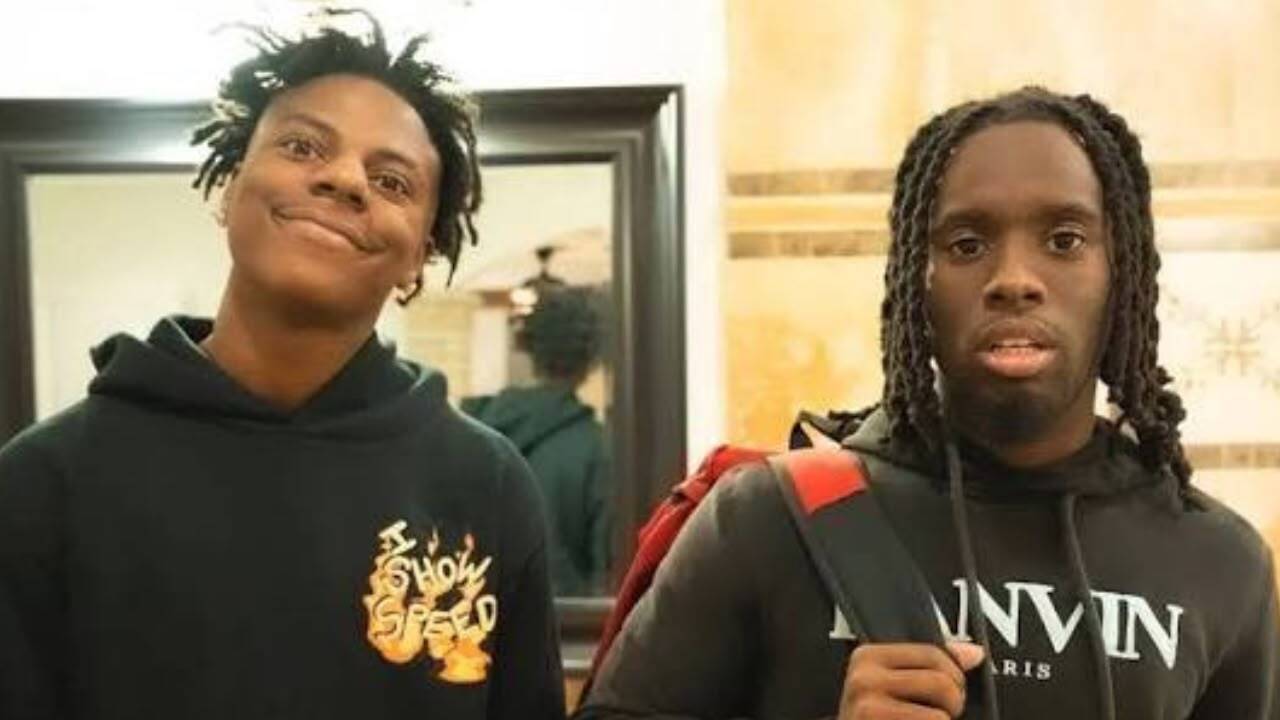
The save file was never actually gone. That is the mundane truth buried beneath hours of collective internet hysteria, manufactured panic, and the unique brand of theater that follows creator IShowSpeed wherever he streams.
Within minutes of a viral clip circulating across social media showing what appeared to be the sudden, catastrophic deletion of his high-profile Minecraft Hardcore world, millions of viewers experienced a synchronized jolt of digital anxiety. The core premise was simple: a grueling, long-term project vaporized in a single click, taking hundreds of hours of progress with it. Fans panicked. Clips racked up millions of views. Subreddits lit up with post-mortems. Discover more on a related issue: this related article.
Then came the clarification. The world was safe. The loss was either an elaborate fake-out, a misunderstanding of a loading screen, or a calculated bit designed to maximize audience engagement in real time.
Yet, looking past the initial relief misses the more compelling story. Why did hundreds of thousands of people instantly believe that digital permanence could vanish in a heartbeat? And what does this reaction tell us about the fragile psychological contract between massive streamers and audiences who invest emotional equity into virtual spaces they do not own? Additional reporting by The New York Times highlights comparable views on the subject.
The Anatomy of a Digital Scare
To understand why the IShowSpeed incident triggered such a visceral response, you have to look at the mechanics of Minecraft Hardcore mode. Unlike standard survival play, Hardcore introduces a permanent penalty: death means deletion. The world ceases to exist. All architecture, resource farms, and rare items are locked behind an absolute barrier.
When a creator spends months building a sprawling empire within these constraints, the world transforms from a simple sandbox into a monument of time spent. Viewers track this progress week after week. They watch the late-night streams, witness the narrow escapes from creepers, and celebrate milestones alongside the creator.
Because the audience cannot interact with the world directly, their relationship with it is entirely vicarious. They become stakeholders without voting rights. When a clip surfaces suggesting that this shared monument has been erased due to a glitch, a misclick, or malicious interference, the emotional reaction mimics actual loss.
Creator culture thrives on stakes. Without risk, streaming becomes passive background noise. Hardcore modes inject genuine jeopardy into gameplay, transforming digital geometry into high-wire acts. When the safety net appears to snap, the audience responds not with skepticism, but with immediate, empathetic dread.
Manufactured Drama versus Genuine Vulnerability
In the modern creator economy, the line between authentic crisis and staged spectacle is routinely blurred. Live-streaming relies heavily on immediate, unfiltered reactions. Creators know that emotional spikes drive clip generation, algorithmic visibility, and viewer retention.
When a panic like the Hardcore world deletion occurs, industry analysts immediately look at the incentives. Is this a genuine technical failure, or is it a high-production-value stunt?
Consider the environment. Streaming platforms reward volatility. Routine gameplay rarely trends on TikTok or X. Dramatic reversals, heartbreak, and triumph are the currency of viral distribution. A creator pretending to lose a massive world—or exaggerating a minor technical glitch—generates an immediate surge in concurrent viewership. People rush to the stream to witness the fallout.
However, assuming every panic is a cynical ploy misses how fragile digital property actually is. Hard drives fail. Cloud syncs corrupt. Save files vanish. The terror felt by the audience is entirely rational because digital loss is a common modern trauma. Everyone reading this has lost a document, a photo album, or a game save to the ether.
When a public figure experiences that nightmare on a massive stage, viewers project their own digital vulnerabilities onto the screen. The panic is real, even if the catalyst turns out to be a false alarm.
The Illusion of Ownership in the Streaming Era
The deeper issue exposed by the IShowSpeed scare is the paradox of audience ownership. Viewers invest time, emotional energy, and sometimes financial support through subscriptions and donations into streams. They feel a sense of collective ownership over the worlds created on screen.
Yet, that ownership is entirely illusory.
The creator holds the physical hardware, the account credentials, and the ultimate authority to delete, modify, or abandon any project at any moment. The audience possesses zero legal or technical recourse. They are perpetual observers of a reality they cannot control.
This power dynamic creates a peculiar psychological tension. During the height of the Hardcore world panic, chat rooms transformed into panic chambers. Users demanded proof, shouted instructions, and expressed genuine grief over pixels belonging to someone else. This level of investment highlights a profound shift in modern entertainment. We have moved from watching actors play scripted roles on television to watching real people navigate high-stakes, unscripted environments where everything can change in a second.
When a creator threatens that environment—accidentally or intentionally—the illusion cracks. The audience realizes how precarious their favorite digital escape really is.
The Algorithmic Reward Loop
We cannot discuss viral panics without examining the infrastructure that amplifies them. The moment a clip of the alleged world deletion hit the internet, algorithms kicked into overdrive.
Platforms do not care whether a panic is justified or a misunderstanding. They care about velocity. High velocity means high engagement, which translates directly to ad revenue and platform dominance. Within minutes, commentary channels, reaction streamers, and news aggregators picked up the story, compounding the panic and spreading misinformation faster than any fact-checking mechanism could intercept.
This speed creates a dangerous reality for digital creators. A single out-of-context ten-second clip can dictate the narrative for millions of people before the creator has even finished their sentence. IShowSpeed had to actively address and defuse the situation precisely because the algorithmic wildfire threatened to outpace reality.
In this ecosystem, truth is secondary to momentum. By the time the save file was confirmed safe, the narrative had already cycled through a dozen iterations, each one exaggerating the stakes just enough to hook the next wave of casual scrollers.
Moving Past the Panic
The IShowSpeed Hardcore world incident will eventually fade into trivia, replaced by the next viral clip, the next near-miss, or the next genuine catastrophe.
Yet, it serves as a stark reminder of how we consume media today. We are tethered to screens, emotionally invested in virtual spaces, and at the mercy of algorithms that profit from our collective anxiety. The world was never deleted, but the panic revealed the exact shape of our digital dependencies. As long as creators rely on high-stakes entertainment to capture our fleeting attention, the next panic is never more than a single click away.