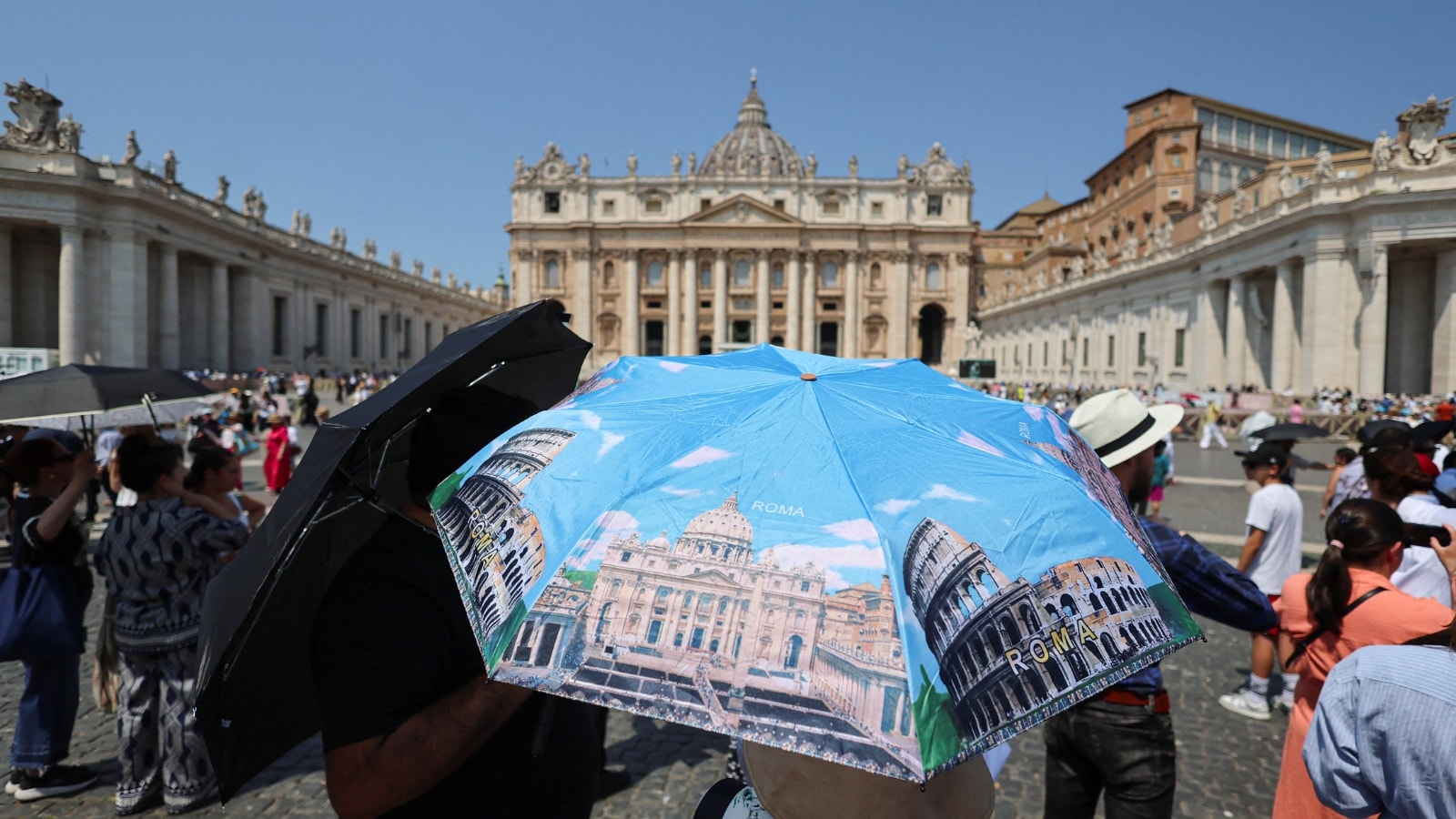
Sheastern Europe is suffocating under a relentless heatwave that has triggered widespread wildfires, exposed severe infrastructure vulnerabilities, and pushed regional power grids to their absolute breaking points. This is not just a temporary weather anomaly, but a structural crisis. Decades of underfunded public utilities, outdated forestry management practices, and urban planning that ignores thermal realities have left countries from Greece and Bulgaria to North Macedonia and Albania highly vulnerable. The current fires are the direct consequence of systemic neglect meeting a predictable climate surge.
The Broken Blueprint of Regional Fire Management
Every summer, the same script plays out across the Balkans and the Mediterranean. Temperatures spike, tinder-dry forests ignite, and governments scramble to deploy water-dropping aircraft and emergency personnel.
The real problem lies in a fundamental misunderstanding of fire prevention versus fire suppression. Governments heavily favor buying expensive firefighting planes over investing in year-round forest management.
Dry undergrowth accumulates unchecked for months. When a spark hits—whether from a discarded cigarette, a faulty power line, or lightning—the sheer volume of fuel guarantees an uncontrollable blaze.
Local forestry departments have seen their budgets slashed systematically over the last twenty years. There are fewer rangers patrolling high-risk areas, and the creation of strategic firebreaks has slowed to a crawl. By the time a plume of smoke is spotted on a satellite feed, the ground conditions ensure that containment is already nearly impossible.
Grid Collapse and the Illusion of Energy Security
The heatwave does more than ignite the countryside; it paralyzes the critical infrastructure keeping cities habitable. Air conditioning demand has pushed electricity consumption to historic highs across Athens, Sofia, and Skopje.
The regional energy grid cannot cope with this sustained pressure. Power lines sag under the heat, reducing their transmission capacity at the exact moment maximum throughput is required.
Substations are failing because they cannot cool down during the increasingly warm nights. This creates a dangerous feedback loop. As transformers overheat and trip, the remaining grid components face higher loads, raising the risk of cascading blackouts.
[Peak Demand Spike] -> [Substation Overheating] -> [Component Failure] -> [Cascading Grid Gridlock]
Importing power from neighboring regions offers minimal relief. The entire southeastern European corridor tends to experience these extreme thermal events simultaneously, meaning surplus energy vanishes precisely when everyone needs to buy it. Reliance on aging coal-fired plants, which require massive amounts of cooling water that is currently evaporating from dwindling river systems, further compromises the generation capacity.
The Urban Heat Island Nightmare
In major metropolitan areas, the crisis assumes a silent, deadly form. Decades of aggressive concrete development without adequate green spaces have transformed cities into literal ovens.
Pavement absorbs heat all day and radiates it back into the atmosphere at night. This phenomenon prevents urban centers from cooling down after sunset, denying the human body a chance to recover from daytime thermal stress.
The Concrete Trap
Municipalities have consistently prioritized commercial real estate and parking lots over urban canopies. Trees do more than provide shade; their natural transpiration processes actively lower surrounding air temperatures. Without them, neighborhoods become localized high-pressure zones of stagnant, hot air that traps pollutants close to the ground, exacerbating respiratory illnesses among vulnerable populations.
Public Health Infrastructure Under Siege
Emergency rooms across the region are reporting unprecedented surges in heat-related admissions. Yet, many local hospitals lack the modern climate control systems necessary to protect patients who are already suffering from heatstroke or severe dehydration. Medical staff are forced to ration cooled spaces, turning standard care facilities into triage zones.
The Economic Toll No One is Budgeting For
The narrative surrounding these heatwaves often focuses on immediate emergency response costs, such as the price of aviation fuel for water bombers or overtime pay for emergency workers. The long-term economic destruction is far more severe and rarely accounted for in national budgets.
- Agricultural Ruin: Scorched topsoil and dried-up irrigation networks are decimating seasonal crop yields, driving up food insecurity and domestic inflation.
- Tourism Deficit: Coastal and historic destinations are seeing cancellations as travelers realize that sightseeing in triple-digit temperatures is a health hazard rather than a vacation.
- Labor Productivity Crash: Outdoor industries, particularly construction and logistics, face mandatory shutdowns during peak afternoon hours, delaying critical infrastructure projects and draining private sector revenue.
Moving Beyond Temporary Crisis Management
Reacting to individual fires and temporary blackouts is a losing strategy that drains public treasuries without fixing the underlying vulnerabilities. Shifting the paradigm requires an immediate reallocation of capital toward systemic resilience.
Governments must legally mandate the maintenance of forest ecosystems, making the clearing of dry brush and the enforcement of strict zoning laws in fire-prone zones non-negotiable. Urban centers require immediate retrofitting with reflective building materials and aggressive reforestation initiatives to break the cycle of nighttime heat retention.
Energy networks must transition away from centralized, water-dependent thermal plants toward decentralized smart grids that utilize localized renewable sources and advanced storage capabilities. Until these structural overhauls become the primary focus of regional policy, each summer will simply bring a more destructive version of the same preventable catastrophe.