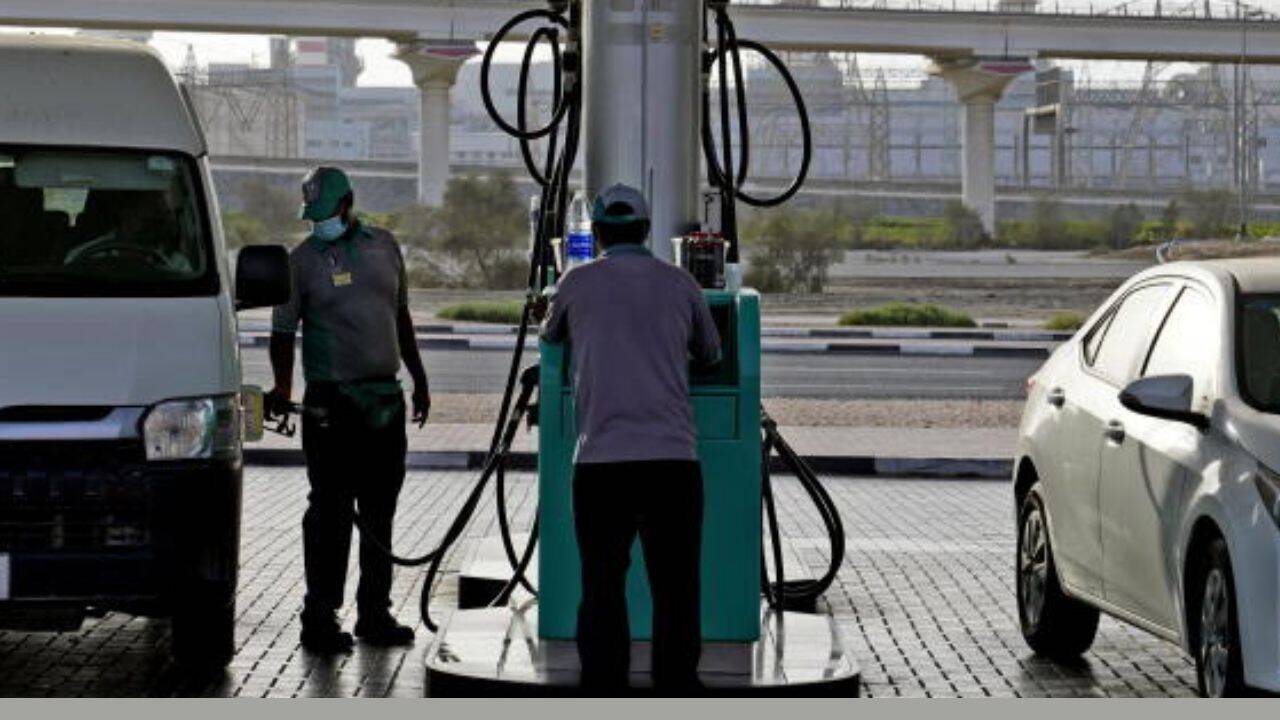
Motorists across the Emirates are pulling into petrol stations to face another round of painful receipts at the pump. Starting September 1, 2026, the UAE Fuel Price Committee adjusted retail rates upward across all categories. Super 98 petrol climbs to AED 3.80 per litre from August's AED 3.60, while Special 95 moves to AED 3.69 from AED 3.49. E-Plus 91 now sits at AED 3.61, up from AED 3.41, and diesel records a sharp jump to AED 4.30 per litre compared to the previous AED 3.80.
This is not a random market glitch. It is the calculated, mechanical output of a pricing formula tied directly to global crude benchmarks that have refused to settle. For anyone tracking energy economics in the region, the numbers tell a story of persistent volatility that stretches far beyond simple supply and demand curves. For a different perspective, consider: this related article.
The Mechanics of Deregulation
When the UAE deregulated fuel prices back in August 2015, the objective was clear. Align domestic retail rates with global oil averages to remove state subsidies and force a more rationalized energy consumption model. That policy framework changed the equation entirely. Local prices stopped being a fixed utility cost and turned into a monthly barometer of geopolitical tension, refinery margins, and international shipping constraints.
The committee meets at the end of every month. They ingest global benchmark data, factor in operational costs of distribution companies, and spit out the figures that dictate household budgets for the next thirty days. Related analysis regarding this has been provided by Forbes.
Consider a hypothetical commuter driving a mid-size SUV with a 70-litre tank. Under the new September rates, filling that tank with Special 95 costs approximately AED 258.30. Last month, that same fill-up cost AED 244.30. Over the course of a month involving four or five trips to the station, those incremental shifts compound into a noticeable drain on disposable income.
Tracking the Trajectory
The wider picture reveals just how erratic the pump prices have been throughout the year. The landscape shifted dramatically compared to the opening months of 2026.
| Month | Super 98 (AED/Litre) | Special 95 (AED/Litre) | Diesel (AED/Litre) |
|---|---|---|---|
| March 2026 | 2.59 | 2.48 | 2.72 |
| April 2026 | 3.39 | 3.28 | 4.69 |
| May 2026 | 3.66 | 3.55 | 4.69 |
| June 2026 | 3.95 | 3.83 | 4.33 |
| July 2026 | 3.40 | 3.29 | 3.60 |
| August 2026 | 3.60 | 3.49 | 3.80 |
| September 2026 | 3.80 | 3.69 | 4.30 |
The spring surge pushed prices to heights not seen since the summer of 2022. While July offered a brief, welcome correction, the subsequent back-to-back increases in August and September demonstrate that downward trends rarely sustain themselves for long in the current macroeconomic climate. Diesel, in particular, remains a critical vulnerability. At AED 4.30 per litre, the steep fifty-fils jump hits commercial transport, logistics providers, and construction fleets directly, costs that inevitably trickle down to retail goods and services.
The Hidden Pressures on Transport and Logistics
Consumers focus on their personal vehicles, but the real economic strain sits within commercial transport. Diesel is the lifeblood of supply chains. Every delivery truck, construction crane, and public bus operates on margins heavily influenced by these monthly announcements.
When diesel spikes by half a dirham overnight, transport operators cannot simply absorb the loss. Fleet managers face hard choices. They either pass the surcharge onto corporate clients or watch their operating margins evaporate. This dynamic introduces persistent inflationary pressure into the local economy. Groceries, construction materials, and courier fees carry the invisible weight of fuel adjustments long after the monthly pump prices are locked in.
Behavioral Shifts at the Station
Drive past any major service station on the final evening of a month, and the behavioral pattern is unmistakable. Long queues form as drivers scramble to top off their tanks before the midnight tariff change. It is a ritual born of pragmatism. When prices drop, people wait. When they rise, the midnight rush is guaranteed.
Yet, this monthly scramble masks a slower, deeper transition. Alternative fuel vehicles, hybrids, and fully electric cars are capturing a larger share of new vehicle registrations across Dubai and Abu Dhabi. While the UAE remains heavily car-centric, continuous spikes above the three-dirham mark for petrol alter the long-term calculus of car ownership. Traditional internal combustion engines are slowly losing their financial dominance, not because of a sudden ideological shift among drivers, but because the math of daily commuting demands an alternative.
The committee will reconvene at the end of September to evaluate the global crude markets once again. Until then, motorists navigate a pricing reality where stability is the exception and volatility is built into every litre.