The coffee at the tech hub in Hangzhou always tastes slightly scorched, but Chen barely noticed. He was staring at a number on his monitor that felt less like data and more like a ticking clock. 250,000,000. That was his team's monthly allocation of large language model tokens, handed down by the corporate parent company like rations during a drought.
To the uninitiated, a token sounds like something you drop into an arcade slot. In the modern corporate ecosystem across China, it is the lifeblood of survival. A token is a fragment of a word, a syllable parsed by an artificial intelligence network. Every email generated, every line of code debugged, every customer complaint synthesized by an AI costs tokens.
Chen’s startup, an e-commerce optimization tool funded by a major tech conglomerate, was running out.
If they hit zero before the first of the month, the automated customer service bots would freeze. The product descriptions would stop updating. The business would stall. Chen didn’t need more venture capital. He didn’t need more physical office space. He needed to barter for computing power. He picked up his phone and called a colleague at a subsidiary logistics firm three floors down.
"We have excess cloud storage bandwidth," Chen said, skipping the pleasantries. "We'll swap it for twenty million of your Qwen tokens."
This is not a futurist's fever dream. It is happening right now across the industrial parks of Shenzhen, Shanghai, and Beijing. China’s tech giants—Alibaba, Tencent, Baidu, and ByteDance—are locked in a brutal, low-margin price war. They have slashed the cost of their AI models by up to 99%, making the raw materials of intelligence cheaper than a bottle of water. But in doing so, they have inadvertently created something far more radical: a new kind of corporate currency.
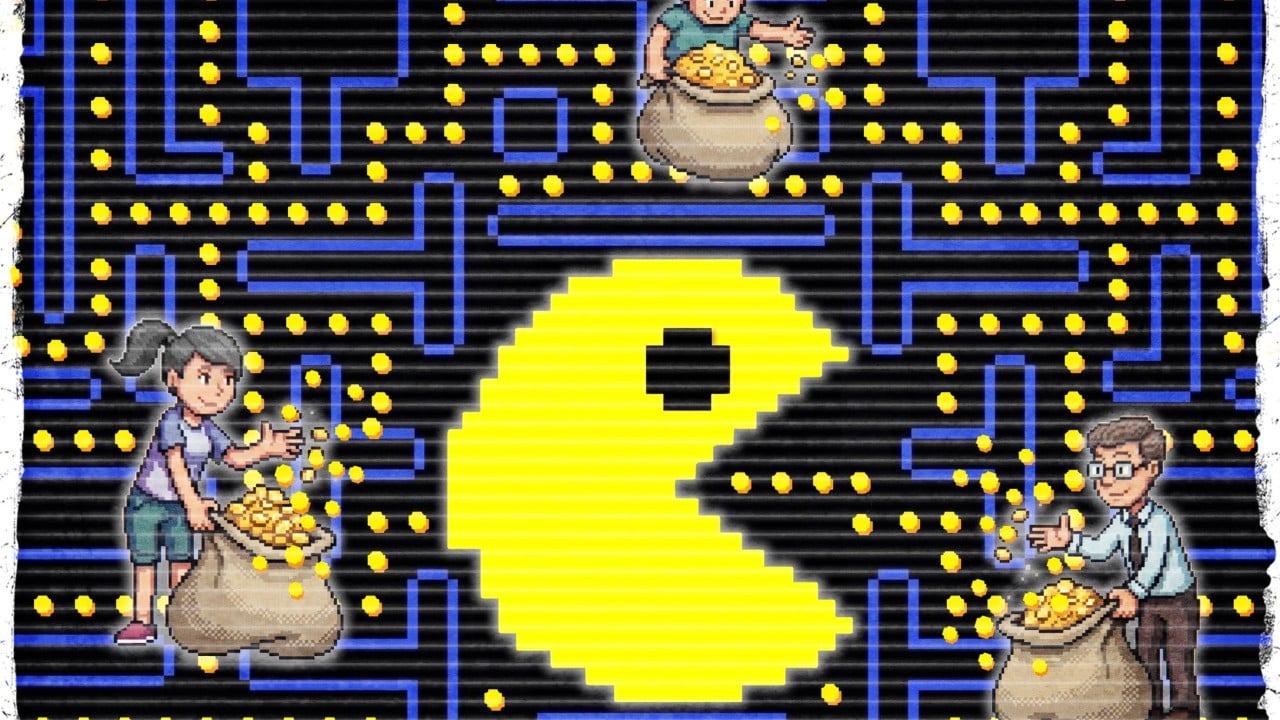
Tokens are no longer just a metric for billing. They are a medium of exchange.
To understand how we arrived here, you have to look at the sheer scale of the oversupply. When the tech giants began aggressively undercutting each other, the goal was simple: hook developers early. If you can get a generation of engineers addicted to your specific model's architecture, you own the infrastructure of the next decade.
Consider the math of the collapse. A year ago, deploying a high-tier model to process a million tokens might have cost a company a meaningful slice of its budget. Today, it costs pennies.
This hyper-deflation did something strange to the corporate psychology. When a resource becomes incredibly cheap yet remains absolutely vital, companies start hoarding it. Then, they start trading it.
Large conglomerates operate like mini-states. Within these massive ecosystems, cash is tightly regulated, subject to bureaucratic compliance, tax audits, and sluggish approval chains. Tokens, however, move through the system like ghosts. They are allocated as operational utilities, meaning managers can shift, trade, and barter them with external partners or internal divisions with a fraction of the friction.
Let's use a metaphor to clarify what this looks like on the ground. Imagine a massive global shipping cartel. Instead of paying each other in dollars or yuan for fuel, port access, and labor, they begin using standardized barrels of oil as a direct unit of account. A barrel of oil has intrinsic utility; you can burn it to move a ship. But it also has transactional value; you can hand it to a partner to settle a debt.
Tokens are the digital oil of the 21st century.
A software design studio in Chengdu needs data labeling for its facial recognition software. A nearby gaming company has massive, underutilized server allocations on Tencent Cloud. They don't exchange fiat currency. The design studio builds a custom asset package for the gaming company, and in return, the gaming company transfers API access tokens.
The transaction is instant. It bypasses traditional corporate accounting delays. Most importantly, it keeps the value entirely within the digital ecosystem.
But this subterranean economy carries a hidden weight.
For engineers like Chen, the shift changes the nature of work itself. He used to worry about code elegance, user experience, and feature deployment. Now, he spends his Tuesday afternoons acting like a commodities trader, watching the shifting values of different model outputs. Baidu’s Ernie might be better for structural data processing this week, while Alibaba’s Tongyi Qianwen is cheaper for creative copywriting.
The pressure is invisible, but it is crushing. The constant optimization of token efficiency creates a hyper-lean corporate culture where every human thought is weighed against the computational cost of reproducing it.
There is a vulnerability here that many executives are hesitant to admit out loud. When your entire operational infrastructure is pegged to a volatile, corporate-controlled utility, you give up sovereignty. Traditional currencies are managed by central banks with a mandate for economic stability. Token values are managed by corporate boards looking at quarterly earnings reports.
If a tech giant decides to change its API terms, deprecate a specific model, or adjust its pricing structure overnight, the corporate currency in your digital vault can devalue in a heartbeat.
Yet, the momentum seems unstoppable. The phenomenon is leaking out of the pure tech sector and into traditional industries. Manufacturing firms in Guangdong are partnering with software houses, trading raw materials and logistics support for AI tokens to automate their supply chains. The lines between software, utility, and currency are blurring into a single, continuous stream of data.
Back in Hangzhou, the sun was setting, casting a long amber glow across the rows of identical workstations. Chen’s phone buzzed. The logistics firm had accepted the trade. The 20 million tokens appeared in his team's dashboard, a fresh injection of digital oxygen that would keep the servers humming for another seventy-two hours.
He clicked a button, authorizing the deployment of a new customer service algorithm. The monitor flickered as millions of characters began transferring across the network, burning through the newly acquired currency phrase by phrase, syllable by syllable.
The room remained completely silent, save for the faint, steady hum of the cooling fans in the server closet down the hall.