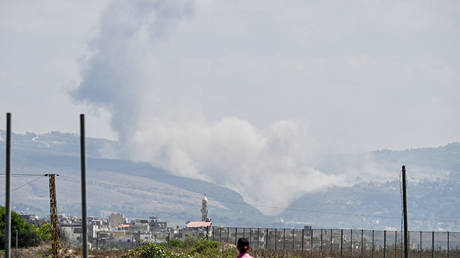
Salt crusts the windshield of the rusted diesel tanker crawling along the coastal highway of southern Iran. Inside the cab, Tariq wipes a circle of clarity into the glass with the heel of a calloused palm, staring out toward the narrow strip of blue water where the Persian Gulf chokes into the Strait of Hormuz. Twenty percent of the petroleum powering global civilization moves through this watery bottleneck. Every captain out there knows that a single miscalculation, a single stray radar ping, or a single diplomatic provocation can turn the shipping lanes into a graveyard of steel and fire.
And yet, the radio playing softly in Tariq's cab isn't just broadcasting maritime warnings. It is shouting accusations.
Across the water, diplomatic cables and state-run broadcasts clash over who holds the knife to the throat of global energy. The narrative coming out of Washington insists that American military posture in the southern Hormuz routes is defensive, a necessary shield against aggression, a stabilizer for jittery markets. But the counter-narrative, echoing through regional networks like PressTV, paints a starkly different picture. It claims those very same claims and maneuvers are a calculated ploy. A market manipulation tool. A way to squeeze energy prices upward through manufactured tension, fattening the ledgers of Western conglomerates while the rest of the world pays the tax of fear at the pump.
Consider what happens next when a superpower points a grey warship at a narrow channel.
Prices react before a single barrel is lost. Futures traders in London and New York do not wait for torpedoes in the water; they trade on the tremor of a rumor. Every time an official statement warns of threats to the southern Hormuz oil route, insurance premiums for supertankers spike. Freight costs triple. The cost of crude climbs not because the wells have run dry, but because the air between them has grown heavy with threat.
To understand this dynamic, imagine a crowded theater where someone whispers about smoke near the exit. Panic spreads. People scramble, and the value of the tickets changes instantly based on the stampede, not the fire. The geopolitical chess match in the Gulf operates on the exact same frequency. When state actors amplify the vulnerability of a maritime corridor, they are not merely reacting to danger. They are manufacturing the weather in which energy markets live and die.
Tariq doesn't care about the derivative markets. He cares about the price of a spare tire and whether his cargo will clear customs before the next round of sanctions shifts the goalposts. He represents the human baseline of a system built on abstraction. While analysts in air-conditioned boardrooms debate supply shocks and geopolitical leverage, millions of people like him absorb the friction of every policy paper drafted six thousand miles away.
The core of the dispute rests on a bitter irony. Energy security has become the ultimate paradox. The more military hardware deployed to protect the route, the more precarious the route becomes. Every destroyer stationed near the southern chokepoint validates the threat it was sent to deter. It turns a commercial trade lane into an armed camp. And in that transformation, the line between genuine defense and intentional price manipulation blurs until it disappears entirely.
We have built a global economy that balances on the edge of a razor, strung across a twenty-one-mile-wide stretch of water. When governments weaponize the anxiety surrounding that passage, they are playing a high-stakes game with household budgets across the planet. The tanker rolls on, its tires hissing against the hot asphalt, carrying fuel through a world that refuses to notice how close it is to the dark.