Ink dries on paper in an office overlooking a grey harbor. Thousands of miles away, a tanker carrying millions of gallons of crude oil alters its course by three degrees. Between those two points lies a web of invisible tripwires. Most people never see them until they trip.
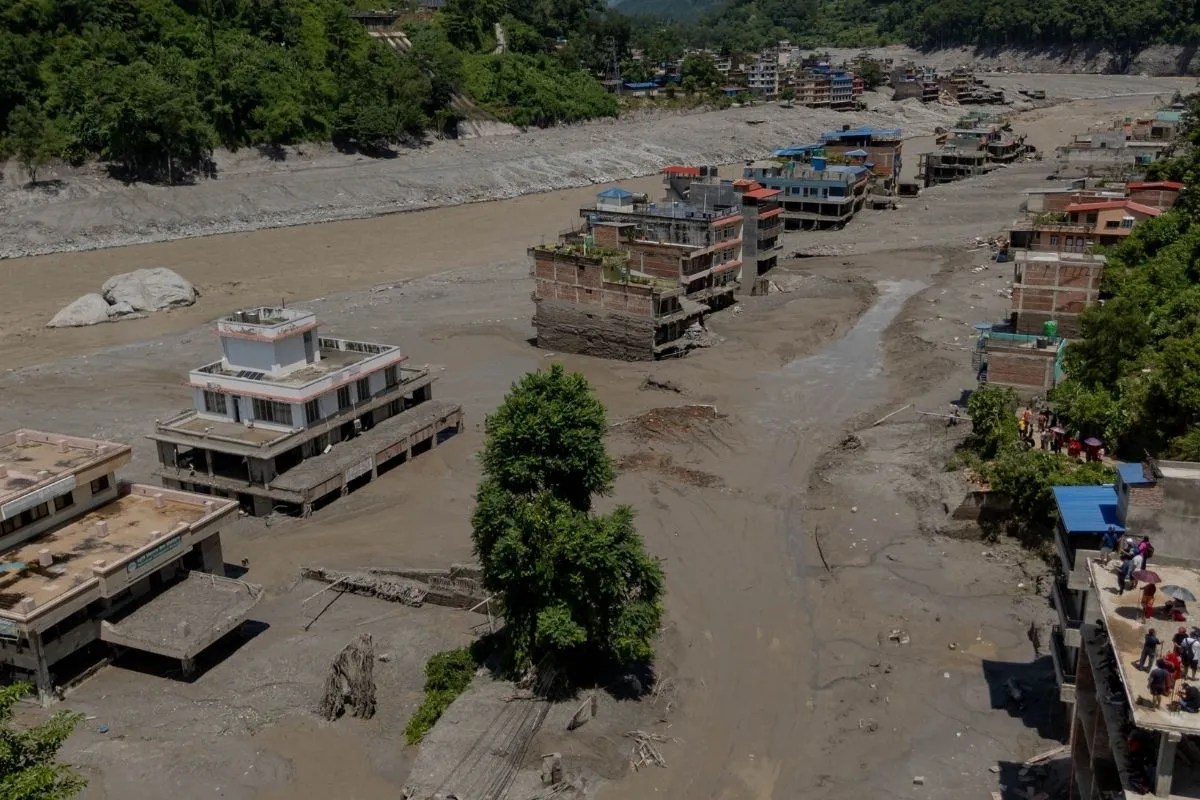
Let us walk through a quiet room in Mumbai. The fluorescent lights hum with a steady, low vibration. Desks are cluttered with shipping manifests, customs declarations, and digital ledgers tracking cargo across oceans. To an outsider, it looks like any ordinary logistics firm. Freight forwarding, supply chain coordination, the humdrum machinery that keeps modern civilization supplied with fuel and manufactured goods. Meanwhile, you can explore other stories here: The Nepal Flood Crisis Is Worse Than Anyone Is Reporting.
Except the cargo here has a shadow.
When the United States Department of the Treasury steps into a room, it does not always carry a weapon. Often, it carries a pen. And with a few strokes of that pen, ordinary commerce transforms into an outlawed enterprise. Recently, that pen dropped squarely onto four India-based companies and three individuals, targeting a pipeline that feeds the economic lifeblood of Iran. To see the bigger picture, we recommend the detailed analysis by TIME.
We forget how fragile the architecture of global trade really is. We pump gasoline into our cars, switch on our lights, and assume that every barrel of oil springs from a neutral earth. But energy has a passport. It carries a history. And when governments decide that a particular nation's financial engine must be starved of oxygen, they track every drop of fuel as though it were radioactive.
Consider what happens next when a small firm decides to bridge the gap.
Imagine a middle-manager named Rajesh, sitting at a mahogany desk that has seen better years. Rajesh is good at his job. He understands maritime logistics better than most people understand their own backyards. He knows which ports are congested, which captains accept digital paperwork without fuss, and how to navigate the labyrinth of international shipping registries. When a client approaches him with a lucrative proposition—handling petrochemical shipments tied to Iranian networks—Rajesh faces a classic dilemma. The margins are astronomical. The risk feels abstract. After all, it is just oil, right? Molecules do not carry flags.
Except they do.
The penalty for forgetting those flags is swift and absolute. Washington did not send gunboats to Mumbai. Instead, they used a far more terrifying weapon: isolation. When the Office of Foreign Assets Control designates a company, it does not just fine them. It turns them into ghosts. Bank accounts freeze instantly. Correspondent banks in New York sever connections. Cargo ships loaded with cargo suddenly find themselves unwelcome in every major port on earth. Insurance policies evaporate.
This is the hidden cost of the modern geopolitical chessboard. The penalties are designed to make commerce with targeted nations mathematically impossible. If you touch the forbidden asset, you lose access to the global financial system entirely. No dollar transactions. No swift codes. No future.
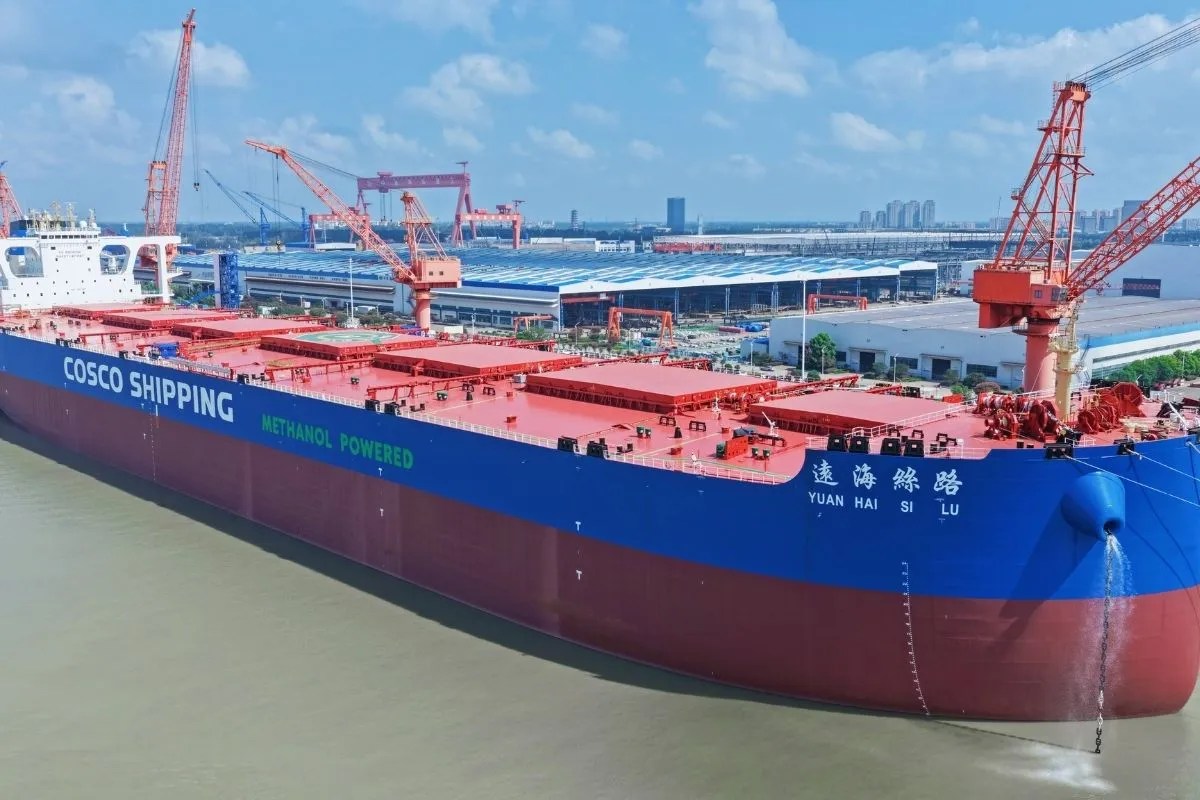
The four companies caught in this recent dragnet—Zenith Shipping, Affinity Gulf, and their sister entities—thought they could operate in the gray zones of the global economy. They thought the vastness of the oceans would blur their tracks. But the modern surveillance state is digital, relentless, and omnipresent. Satellite imagery tracks dark-vessel operations where transponders are switched off mid-ocean. Financial algorithms flag anomalies in shell company formations faster than a human clerk can stamp a manifest.
And what about the three individuals whose names now sit atop the sanctions list?
Their lives have changed irrevocably in a single afternoon. One moment they were successful executives, negotiating contracts over afternoon tea; the next, they are pariahs whose very names trigger automated alarms in compliance departments from Frankfurt to Singapore. Their personal assets are blocked. Traveling abroad becomes an exercise in anxiety. Even their local associates will quietly clear their desks and change their phone numbers, desperate to avoid catching the fallout of secondary sanctions.
This is why these stories matter. They are not merely dry updates about bureaucratic policy adjustments or diplomatic friction. They are human dramas played out on an international stage, where ordinary people make choices under the illusion that they are invisible.
The web of sanctions is expanding. It reaches deeper into neutral territories, demanding that every player in the supply chain choose a side. There is no middle ground left. If you dance with the sanctioned, you become the sanctioned.
As the sun sets over the Mumbai harbor, the ships continue to move, guided by radar and satellite. But the captains are watching their screens with a new intensity. Somewhere out there, a ledger has been updated. A line has been drawn in invisible ink. And crossing it is no longer just a business risk. It is a vanishing act.