The air inside the kitchen felt like wet wool. Outside, the grass had long since surrendered its green, baked into a pale, brittle straw by ten straight days of ninety-five-degree heat.
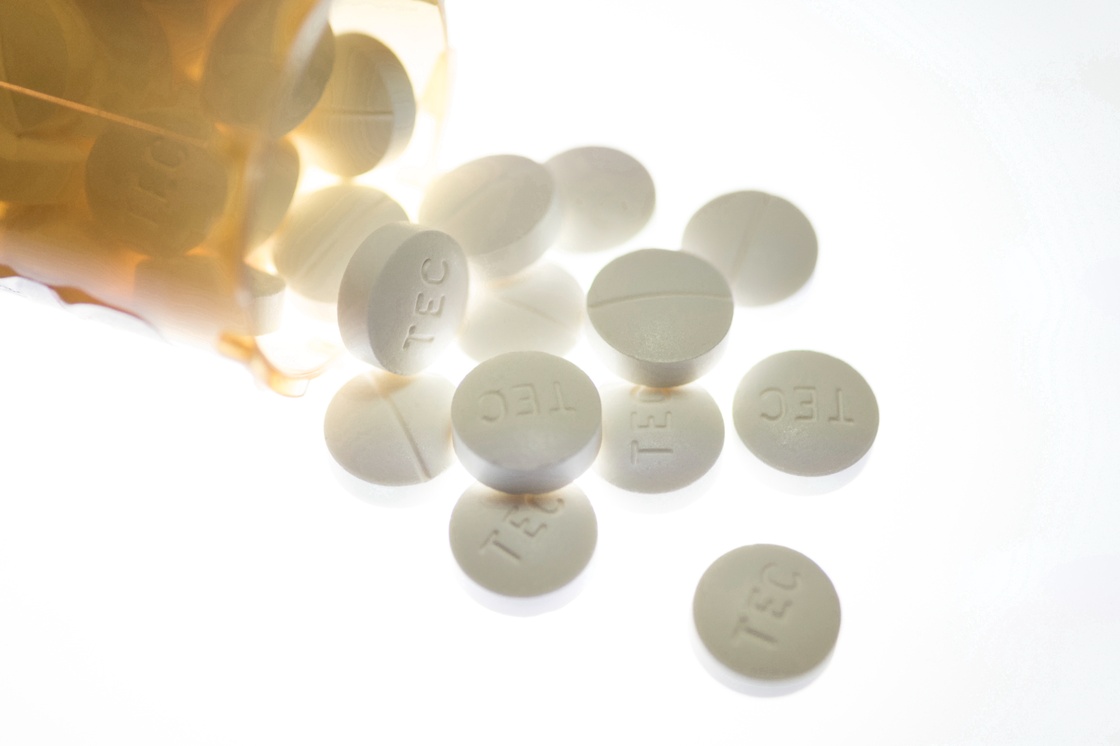
Arthur sat at his wooden dining table, staring at a small, orange plastic bottle. He was sixty-two, retired, and considered himself in decent shape. He still mowed his own lawn, still walked the dog three miles every morning, and still believed himself largely immune to the indignities of aging. Inside that orange bottle was a tiny pink pill—a daily dose of lisinopril for his mild high blood pressure. Next to it sat another bottle, a low-dose SSRI he had been taking for anxiety since his wife passed two years ago.
To Arthur, these pills were just background noise. They were the minor maintenance fees of a body that had run smoothly for six decades. He swallowed them with a splash of lukewarm tap water, wiped his brow, and looked out at his backyard. The lawn needed mowing. The sun was a white-hot coin in a bleached blue sky.
He grabbed his keys, stepped onto the back porch, and made a decision that nearly cost him his life.
The Illusion of the Thermostat
We treat our bodies like high-end apartments. We assume that if we turn the dial down, the air conditioning will kick on. If we get too hot, we sweat, the sweat evaporates, and we cool down. It is a beautiful, self-regulating loop of biology.
But that loop is fragile. It relies on a complex, rapid-fire conversation between your brain, your heart, your blood vessels, and your sweat glands.
When a heat wave strikes, your body initiates a massive, silent evacuation plan. To dump heat, your heart begins to pump furiously, pushing blood away from your core and toward your skin. At the same time, millions of tiny glands release water onto your skin’s surface, letting evaporation do the heavy lifting of cooling you down.
Now, introduce a tiny, chemical variable.
Many of the most common medications in the world do not just treat illness. They secretly hijack this evacuation plan. They cut the wires to the thermostat. They turn off the water mains. And they do it so quietly that you do not realize you are burning up until your core temperature is already climbing toward danger.
The Sweat Blockers and the Heart Slowers
Consider what happens to Arthur’s neighbor, Sarah. Sarah is thirty-four, an avid runner, and struggles with seasonal allergies. Every morning during high-pollen season, she takes a standard, over-the-counter antihistamine.
Antihistamines work by blocking histamine, the chemical that makes your nose run and your eyes itch. But histamines also play a role in signaling your sweat glands to open. When Sarah steps out for a lunchtime run in July, her allergy medication has effectively locked her sweat glands shut.
Her body tries to cool down. It signals the glands to release moisture. Nothing happens. Her skin remains dry, hot, and flush. The heat has nowhere to go. It traps itself inside her muscles and organs, rising degree by degree.
Then there are the heart medications.
Beta-blockers, prescribed to millions for high blood pressure and heart conditions, are designed to keep the heart rate low and steady. They prevent the heart from racing. In normal times, this is a lifesaver. But in a heat wave, your heart needs to race. It must pump blood to the skin at a frantic pace to dump heat. A beta-blocker puts a speed governor on the engine. The heart cannot pump fast enough to move the heat to the surface. The body suffocates under its own thermal load.
The Double-Edged Pint
By 2:00 PM, Arthur had been pushing his mower through the thick, dry grass for forty-five minutes. He was thirsty. His chest felt tight, a dull ache radiating behind his ribs, but he chalked it up to the humidity.
To reward himself, he walked into the shade of his garage, opened the small bar fridge in the corner, and pulled out a cold, sweating can of IPA.
The first sip was heaven. Cold, crisp, bitter.
This is the great deception of alcohol in the heat. It feels like a rescue. In reality, it is a Trojan horse.
Alcohol is a potent vasodilator. It temporarily dilates the blood vessels near your skin, which is why your face might flush after a drink. This feels like it might cool you down, but it actually pulls blood away from your vital organs when they need oxygenated blood the most.
Worse, alcohol is a diuretic. It forces your kidneys to flush out water, rapidly depleting your blood volume.
Think of your cardiovascular system during a heat wave as a car’s radiator. To cool the engine, you need a high volume of coolant moving quickly through the pipes. Alcohol drains the coolant. Now, Arthur's heart—already constrained by his blood pressure medication—was trying to pump a rapidly shrinking volume of thick, dehydrated blood through his system.
He cracked a second beer. He felt relaxed. He felt slightly dizzy, too, but he assumed he was just tired from the yard work.
He sat down in his plastic lawn chair. The air in the garage was ninety-eight degrees. He closed his eyes.
The Stealth of Heat Illness
Heat stroke does not announce itself with a trumpet flare. It is a thief in the night.
When your body temperature climbs past 103 degrees Fahrenheit, your brain begins to misfire. This is the most dangerous paradox of heat illness: the very organ you rely on to tell you that you are in danger is the first organ to lose its grip on reality.
Arthur’s SSRI—his antidepressant—was also playing a quiet role here. Many antidepressants affect the hypothalamus, the region of the brain that acts as the body's central thermostat. His brain was literally miscalculating how hot he actually was. It did not send the panic signals it should have.
When Arthur’s daughter, Claire, stopped by his house at 4:30 PM to drop off his mail, she found him still sitting in the garage chair.
The second beer can was spilled on the concrete. Arthur was awake, but his eyes were glassy.
"Dad?" she asked, stepping into the stifling heat of the garage. "Why aren't you inside with the AC on?"
Arthur looked at her. He blinked slowly. He tried to speak, but the words tangled in his throat. "Just... waiting for the train," he mumbled.
There were no train tracks within five miles of his house.
Claire touched his arm. His skin was dry, papery, and terrifyingly hot to the touch. He wasn't sweating at all.
She recognized the confusion. She didn't call a neighbor. She didn't try to give him water—he was too disoriented to swallow safely. She ran inside, grabbed ice packs from the freezer, pressed them to his groin and armpits, and dialed 911.
She saved his life by twenty minutes.
The Vulnerability Map
The danger is not limited to the elderly, though they are the most vulnerable. It spans across generations, tucked inside medicine cabinets we assume are completely safe.
| Medication Type | How It Secretly Sabotages Your Cooling System |
|---|---|
| Diuretics (Water Pills) | Drains the body of fluids, leaving less water for sweat and reducing blood volume. |
| Beta-Blockers | Limits heart rate, preventing the heart from pumping blood to the skin to release heat. |
| Antidepressants (SSRIs/Tricyclics) | Confuses the brain's thermostat and can dry up sweat production. |
| ADHD Stimulants | Increases internal heat production while blunting the body's awareness of rising temperatures. |
| Antihistamines | Shuts down sweat glands, trapping heat inside the body's core. |
If you take any of these, the rules of summer change. You cannot rely on your thirst to tell you when to drink. You cannot rely on your sweat to tell you when you are hot. You cannot rely on your brain to tell you when to go inside.
Rewriting the Summer Protocol
This is not a warning to stop taking your medication. Forgoing your blood pressure pills or your antidepressants during a heat wave can be just as dangerous as the heat itself.
Instead, it is a plea for radical awareness.
If you take daily medications, you must treat extreme heat as a medical variable. You have to actively manage your environment because your body has lost some of its ability to do so automatically.
Begin by shifting your timeline. If you must be outside, do it before the sun claims the sky or after it has dipped below the horizon.
Double your water intake, but do so systematically—not just when you feel parched. By the time you feel thirsty, your hydration levels are already flagging. If you are on diuretics, talk to your doctor before drastically increasing your water intake, as they may need to adjust your dosage during extreme weather.
Most importantly, watch the people around you.
We are terrible judges of our own thermal limits. If you have an elderly neighbor, a friend on daily prescriptions, or a family member who loves their afternoon beers in the yard, check on them. Do not just ask if they are okay. Look at their skin. Listen to the speed of their speech. Look for the subtle, terrifying onset of confusion.
Arthur survived his afternoon in the garage. He spent two days in the intensive care unit receiving intravenous fluids and cooling therapies.
He still mows his lawn. But now, he does it at 7:00 AM, with a massive bottle of water resting on the porch, and his orange pill bottles sitting on the counter inside, respected for what they are: lifesavers that require a little extra caution when the world begins to burn.