The White House insists the gears of diplomacy are turning, but in Tehran, the official line is a wall of stone. This disconnect is not a simple case of "he-said, she-said" diplomacy; it is a calculated survival strategy for a regime facing its most existential threat since 1979. While Washington broadcasts confidence that talks are "going well," the Iranian Foreign Ministry has spent the last 72 hours aggressively dismantling that narrative, dismissing claims of direct contact as "unrealistic" psychological operations.
This gap in reality reveals the brutal truth of the 2026 crisis: we are not witnessing a negotiation, but a high-stakes auction where the currency is regional stability and the bidders are barely on speaking terms. Read more on a connected issue: this related article.
The Ghost at the Table
At the heart of the confusion is the definition of a "talk." For the White House, the term encompasses the flurry of messages zigzagging through Muscat, Doha, and Islamabad. To the American administration, these indirect channels are a bridge. To the Iranian leadership, they are a buffer—a way to listen without the domestic humiliation of being seen shaking hands with the "Great Satan" while U.S. Marines sit off their coast.
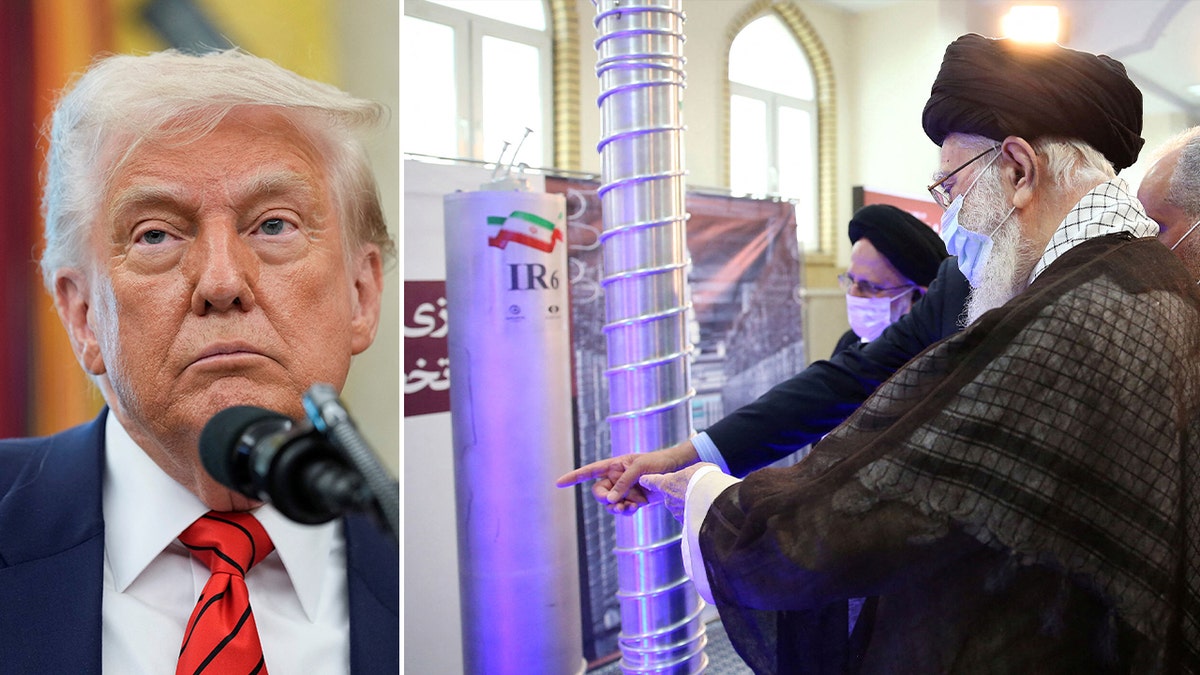
The Iranian denial is mandatory. Supreme Leader Ali Khamenei has spent decades anchoring his legitimacy on resistance. To admit to direct negotiations now, after weeks of U.S. and Israeli strikes on Iranian soil, would be interpreted by his hardline base as a total surrender. Tehran’s strategy is to "extend the process," using the optics of potential diplomacy to delay further kinetic strikes while refusing to grant the U.S. the symbolic win of a formal meeting. Additional journalism by The New York Times delves into similar perspectives on the subject.
Oil Gas and the Art of the Desperate Deal
While the public-facing diplomats trade insults, the real movement is happening in the shadows of the energy sector. Reports have surfaced that Tehran is dangling a "significant prize"—access to Iranian oil and gas reserves and mining rights—in an attempt to tempt President Trump into a lighter sanctions regime.
This is a stark departure from the ideological purity of the past. It suggests that the "maximum pressure" of 2026, compounded by domestic protests and a failing power grid, has finally forced the clerical establishment to put its crown jewels on the chopping block.
- The American Demand: Total dismantlement of Fordow and Natanz, the export of all enriched uranium, and a permanent ban on enrichment.
- The Iranian Counter: A pause in enrichment and a regional consortium to manage fuel, offered in exchange for the total lifting of sanctions.
- The Commercial Hook: Offering U.S. companies exclusive rights to Iranian mineral wealth to bypass traditional diplomatic roadblocks.
This isn't a peace treaty. It is a liquidation sale.
The Pakistan Pivot and the New Mediators
The shift of the diplomatic theater to Islamabad marks a new chapter in the conflict. Pakistan’s emergence as a mediator—boasting "confidence" from both sides—is a logistical necessity. With traditional channels in Oman becoming crowded and public, the Pakistani venue offers a fresh start under the shadow of a month-long war that has already seen the Strait of Hormuz turned into a graveyard for tankers.
However, even as Pakistan prepares the table, the Iranian Parliament Speaker, Mohammad Bagher Qalibaf, has called the entire initiative a "cover" for the arrival of 2,500 U.S. Marines. This internal friction within Iran—between the diplomats seeking a way out and the military commanders "waiting to set American troops on fire"—makes any White House claim of things "going well" look dangerously optimistic.
The Illusion of Progress
Washington’s optimism likely serves a domestic purpose. By signaling that a deal is "fairly quick" to reach, the administration manages global oil markets and keeps the American public from panicking over a potential ground war. But the metrics on the ground tell a different story.
The U.S. has reportedly only destroyed a third of Iran’s missile inventory. Meanwhile, Iran has deployed Chinese anti-stealth radar systems and mobilized its "Axis of Resistance" to open new fronts in Iraq and Yemen. These are not the actions of a state ready to sign a peace accord; they are the actions of a state preparing for a protracted war of attrition.
The White House is betting that economic desperation will eventually force Tehran’s hand. They are operating on the assumption that every regime has a price. Tehran, however, is betting that it can survive the siege by selling its future piece by piece to whichever bidder keeps the lights on for one more month.
In this climate, "going well" is a relative term. If it means the two sides are exchanging papers through third parties rather than firing missiles at each other's capital cities, then the White House is technically correct. But if "going well" implies a sustainable path to peace, the silence from Tehran suggests we are further from a resolution than the briefing room admits.
The disconnect will continue until one side either runs out of targets or runs out of money. Until then, the negotiations remain a mirage, shimmering with the promise of a deal that neither side is actually ready to sign.
The next five days will determine if the deadline extension leads to a breakthrough or if the silence from Tehran is merely the quiet before a much larger storm.