The maritime blockade of Iran was supposed to be a wall of steel. Instead, it’s looking a bit more like a sieve. Just hours after the U.S. Central Command (CENTCOM) claimed it had successfully locked down Iranian sea trade, Tehran threw a wrench in that narrative. They didn't do it with a missile or a drone. They did it with a supertanker that didn't even bother to hide.
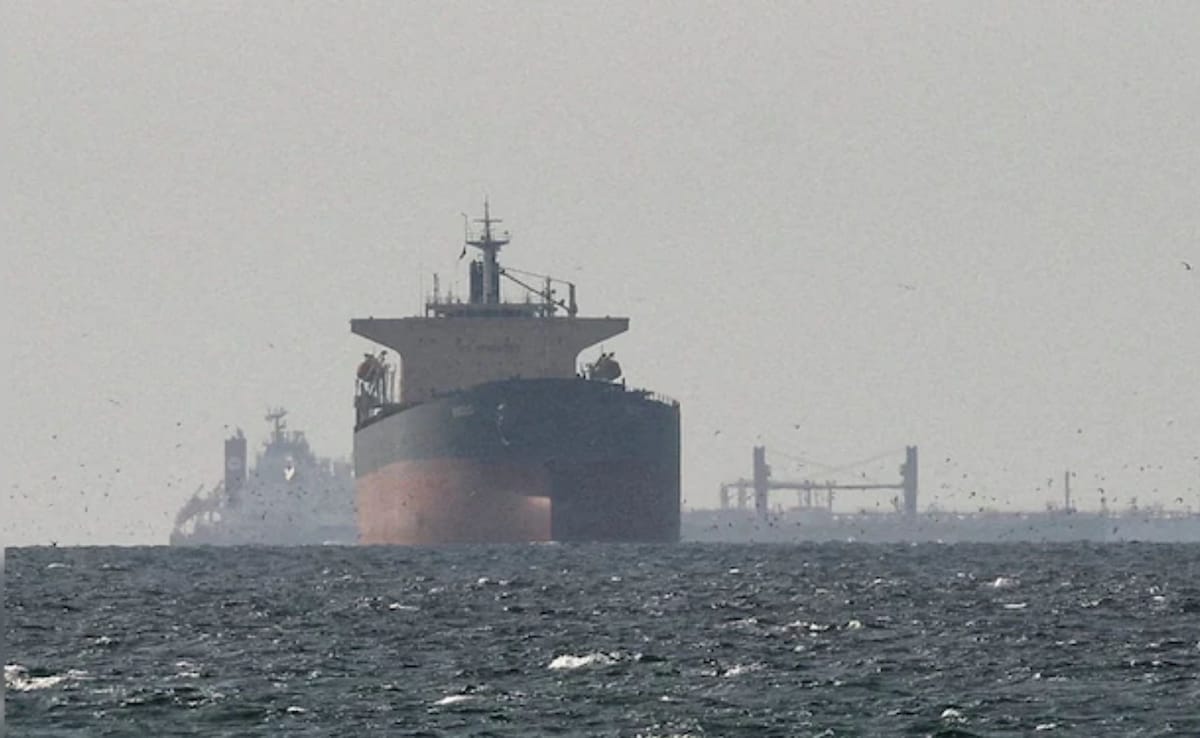
On Wednesday, April 15, 2026, an Iranian VLCC (Very Large Crude Carrier) sailed right through the Strait of Hormuz. It didn't sneak through with its lights off. It didn't "go dark" by cutting its transponder. It kept its Automatic Identification System (AIS) active the entire time, basically waving at the U.S. Navy as it passed. This wasn't just a delivery; it was a loud, deliberate message to Washington. Meanwhile, you can read other events here: Why School Safety Headlines Ignore the Real Crisis in Turkey.
The Blockade vs Reality
The U.S. stance has been clear since President Trump announced the blockade following the collapse of peace talks in Islamabad. The goal is to choke off 90% of Iran’s economy by stopping every drop of oil from leaving its ports. Admiral Brad Cooper even went on record saying that within 36 hours, economic trade in and out of Iran had been "completely halted."
Clearly, someone forgot to tell the captain of that VLCC. To understand the complete picture, check out the excellent article by USA Today.
Iran's Consulate in Mumbai was quick to gloat on social media, pointing out that the vessel reached Iranian shores "without concealment." This supertanker is on the U.S. Treasury’s blacklist. It’s a vessel that isn't supposed to be moving, yet it navigated the world's most sensitive chokepoint while being tracked by every satellite and radar in the region.
Who is actually getting through
It isn't just one ship. While CENTCOM claims six merchant vessels were turned back on the first day, several high-interest tankers have managed to slip the noose.
- The Rich Starry: A Chinese-owned tanker blacklisted since 2023. It tried to exit the Gulf, turned back briefly near Qeshm Island, then simply tried again and made it through. It’s carrying 250,000 barrels of methanol and flying the flag of Malawi—even though Malawi says it doesn't even have a ship registry.
- The Elpis: A shadow fleet vessel that reportedly called at an Iranian port before transiting the strait into the Gulf of Oman.
- The Peace Gulf: A Panama-flagged vessel moving naphtha to the UAE.
The U.S. says it’s supporting "freedom of navigation" for ships going to non-Iranian ports like those in Iraq or the UAE. But the line between a "legal" transit and a "sanction-busting" run is getting incredibly blurry. When a blacklisted ship like the Rich Starry passes through, it makes the blockade look more like a suggestion than a rule.
Why the US is hesitant to pull the trigger
You might wonder why the U.S. Navy, with over a dozen warships and 10,000 personnel in the area, didn't just seize the tanker. Honestly, it’s a game of chicken that nobody wants to lose.
If the U.S. starts boarding every blacklisted ship, they risk a direct shooting war with Iran or a massive diplomatic fallout with China. The Rich Starry is manned by a Chinese crew. Beijing has already called the blockade "dangerous and irresponsible." Seizing that ship could turn a regional trade dispute into a global conflict between superpowers.
Iran knows this. By keeping the trackers on, they aren't just being transparent; they're daring the U.S. to stop them. It’s a classic "gray zone" tactic. If the U.S. does nothing, the blockade loses its teeth. If they act, the price of oil probably hits $150 a barrel by Friday.
The shadow fleet problem
We’ve seen this before, but never with this much at stake. The so-called "shadow fleet" consists of older tankers with murky ownership and questionable insurance. They use "flag of convenience" registries—like the fake Malawi registration—to stay mobile.
The real issue for you and me isn't just the geopolitics; it’s the risk of a massive oil spill. These ships aren't exactly maintained to top-tier standards. If one of these tankers gets into trouble while trying to dodge a blockade, we're looking at an environmental disaster in a waterway that provides a fifth of the world's energy.
What happens next
The "total blockade" narrative is currently under fire. If you're tracking this, keep your eyes on the following:
- The Insurance Trap: Watch if the U.S. starts pressuring the maritime insurers rather than just the ships. Without P&I (Protection and Indemnity) insurance, these ships technically shouldn't be allowed in any major port.
- The China Factor: If more Chinese-crewed vessels ignore the blockade, the U.S. will have to decide if it’s willing to sanction Shanghai-based shipping companies even harder.
- Escalation on the Water: Iran has threatened to retaliate against neighboring Gulf ports. If a tanker from the UAE or Saudi Arabia gets harassed, the U.S. will be forced to move from "blockade" to "active escort."
Don't expect this to settle down quietly. Iran has shown it can still move the big boats when it wants to, and the U.S. is finding out that "total" is a hard word to back up in international waters. Check the live AIS maps on sites like MarineTraffic or Kpler; the next "ghost" ship is probably already on the move.