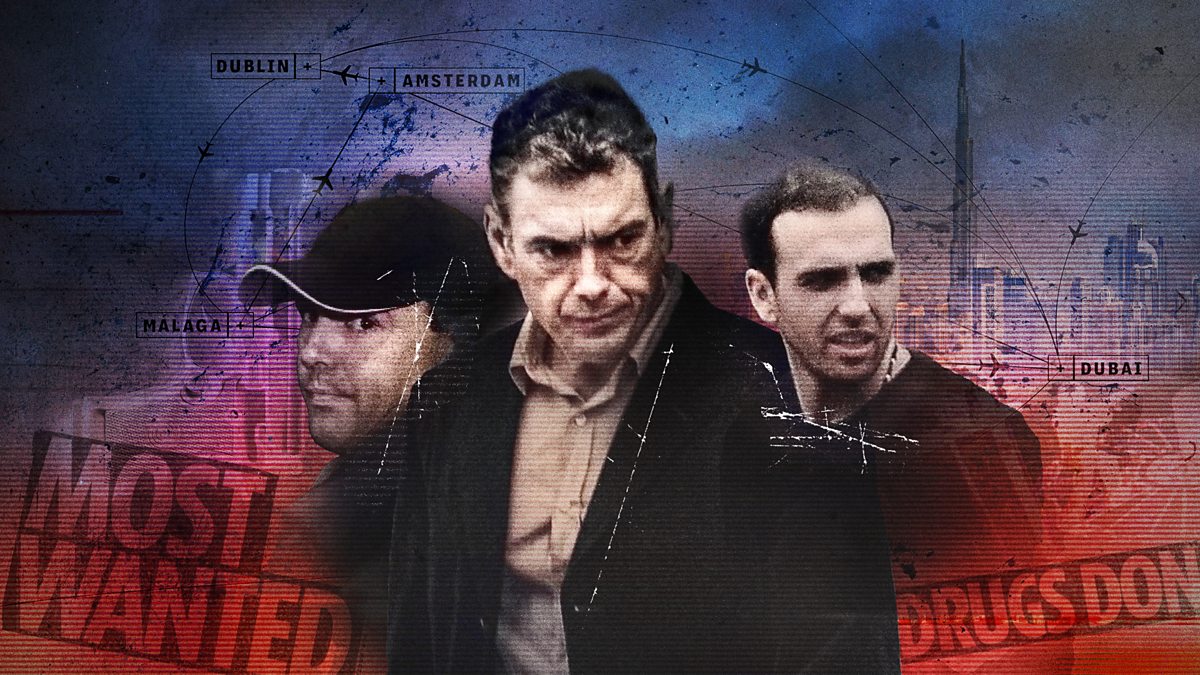
The hand-wringing over Gerry "The Monk" Hutch running for the Dáil is the purest form of political theater Ireland has staged in decades. The media is currently vibrating with a manufactured moral panic. They want you to believe that a man with a "reputed" criminal past entering the halls of power is a unique stain on the sanctity of Leinster House.
It isn't. It’s just honest branding.
Mainstream commentary suggests that a Hutch candidacy threatens the "integrity" of Irish democracy. This is a hilarious delusion. To suggest that the Dáil is a pristine cathedral of ethics being breached by a barbarian at the gate ignores the last fifty years of Irish political history. From the brown envelopes of the Planning Tribunals to the systemic failure of the HSE, the Irish state has long operated with the efficiency—and the accountability—of a protection racket. The only difference is that Hutch doesn't wear a tailored suit from a Kildare Street boutique. Yet.
The Myth of the Clean Candidate
Let’s dismantle the "lazy consensus" that Hutch is an outlier. The prevailing argument is that someone with his background shouldn't be allowed to represent the people because he lacks "moral fitness."
Moral fitness is a luxury of the comfortably insulated. If you live in a disenfranchised Dublin North-Inner City neighborhood, your definition of "representation" is vastly different from a tech executive in South County Dublin. To the marginalized, the state is an entity that collects taxes, fails to provide housing, and ignores street-level chaos until an election year.
In these communities, someone who has actually survived the system, fought the state, and—crucially—invested back into the local ecosystem is seen as more "legitimate" than a career politician who only visits for a photo-op at a boxing club. We call it "organized crime" when it’s done by men in tracksuits. We call it "lobbying" or "statecraft" when it’s done by the legacy parties.
Shadow Governance Is Already Here
If you think the threat to Ireland is one man with a ponytail and a legal history, you aren't paying attention to the real cartels. The real cartels aren't hiding in the shadows; they are listed on the ISEQ.
- The Vulture Fund Cartel: Groups that move through the Irish housing market with the predatory precision of a mob hit, pricing out an entire generation while the government facilitates their tax-free exits.
- The Insurance Cartel: An industry that has systematically gouged Irish SMEs for years, backed by a legal framework that prioritizes corporate profit over public utility.
- The Planning Cartel: Decades of evidence show that if you want to build in Ireland, you don't just need a permit; you need "friends."
The outrage directed at Hutch is a redirection tactic. It is easier to point at a boogeyman than to address the fact that the Irish state has outsourced its moral responsibility to international capital. Hutch is a distraction from the reality that our "respectable" leaders have presided over a housing crisis so profound it has become a human rights failure.
The Sovereignty of the Ballot Box
The most dangerous sentiment currently being floated is the idea that the law should be changed to prevent people like Hutch from running. This is the "Democratic Paradox" at its finest: we must save democracy by removing the people's right to choose.
If the residents of Dublin Central decide that a man the state labels a criminal is their best hope for representation, that is a damning indictment of the state, not the voters. You don't "fix" democracy by narrowing the field of candidates to those pre-approved by the status quo. That’s how you get the stagnant, interchangeable cabinet of mediocrity we currently endure.
The Irish Constitution, Bunreacht na hÉireann, is quite clear on eligibility. If the state hasn't convicted a person of a crime that disqualifies them, the state has no right to intervene in their candidacy. To do so would be to admit that the legal system is secondary to the "vibe" of the political class.
Why the Establishment is Terrified
They aren't scared of Hutch’s past. They are scared of his effectiveness.
Hutch represents a "disruptor" in the truest, most uncomfortable sense. He understands the mechanics of power, leverage, and loyalty better than any junior minister. He is a man who knows how to operate outside of bureaucratic sludge. In a Dáil where "taking it under advisement" is the standard response to every crisis, a candidate who speaks the language of direct action is a terrifying prospect for those who profit from inertia.
Imagine a scenario where Hutch wins a seat and holds the balance of power in a hung parliament. The political establishment would have to negotiate with him. That is the nightmare scenario for Fine Gael and Fianna Fáil—not because he’s a "criminal," but because he’s a mirror. He shows them exactly what they are: power brokers who have lost the dressing room.
The Real Crime is the Policy
The media will spend the next few months digging through old police files. They will talk about the Regency, the feud, and the North-Inner City. They will ignore the fact that under the current administration, hospitals are overflowing, the average rent is a ransom, and the "Social Contract" has been shredded and used as confetti at a developer’s wedding.
If you are more offended by Gerry Hutch’s name on a ballot than you are by 14,000 people being homeless in one of the wealthiest countries in Europe, your moral compass is broken. You aren't worried about crime; you’re worried about aesthetics.
We are told that a Hutch candidacy is a "circus." If that’s true, he’s just joining the existing troupe. The tent is already up, the clowns are already in the ring, and the audience is getting tired of the same old jokes.
Stop pretending this is a crisis of democracy. It is a crisis of competition. The legacy parties have had a monopoly on Irish life for a century, and they are terrified that the public might finally vote for a different kind of "boss."
Go ahead. Vote for the man in the suit who oversaw the destruction of the housing market. Vote for the party that let the banks collapse and handed the bill to your children. But don't you dare look down your nose at a voter who decides that, after a lifetime of being screwed by the "good guys," they might as well try their luck with the "bad" one.
The truth is, the Monk isn't bringing the underworld to the Dáil. He’s just coming home to where the real deals are made.