The headlines are making it sound like a scandal. You might see reports screaming about Japan breaking ranks with the G7 or ignoring sanctions because they just accepted a shipment of Russian crude. Let’s be clear about what is actually happening. This isn't some dramatic political betrayal. It is the cold, hard, unvarnished arithmetic of energy survival.
When you live in a country that imports nearly every drop of oil it consumes, you don't have the luxury of ideology. You have the luxury of keeping the lights on. Right now, Japan is facing a crisis that makes international posturing feel like a distraction. With the Strait of Hormuz effectively locked down after the recent Middle East conflict, the primary artery for Japan’s energy supply is effectively cauterized.
The reality is that Japan hasn't "returned" to Russian oil because of a desire to fuel the Russian war machine. They returned because the alternative is a systemic energy blackout that would cripple their economy in a matter of weeks.
The Hormuz bottleneck changed everything
To understand why a Japanese refiner like Taiyo Oil is suddenly accepting a tanker from Sakhalin-2, you have to look at the map. Historically, Japan has been dangerously dependent on the Middle East for about 94 percent of its crude oil. That is a staggering level of vulnerability. For years, Tokyo has talked about diversification, but talk is cheap when the oil is cheap.
When the Strait of Hormuz became a war zone in February 2026, that 94 percent dependence became a death trap. Ships weren't getting through. Insurance premiums spiked into the stratosphere. Refiners weren't just struggling with costs; they were struggling with physical availability.
When supply chains snap, you don't wait for a diplomatic solution to save you. You look for the closest, most reliable barrel of oil you can find. That oil happened to be sitting right there in the Russian Far East, coming out of the Sakhalin-2 project.
The Sakhalin-2 loophole is not a secret
There is a misconception that Japan is "breaking sanctions" by taking this oil. That is factually incorrect. The Sakhalin-2 project is a unique beast. It is an oil and gas development that Japan has been heavily invested in for years. Japanese trading giants Mitsui and Mitsubishi hold equity stakes in this project, and Tokyo has fought tooth and nail—often alongside U.S. diplomats—to maintain an exemption from G7 price caps and sanctions for this specific asset.
Why? Because it is energy security. It is the definition of a strategic asset.
The Russian government knows this. They know that this project is a lifeline for Japan. When Russia issued decrees effectively seizing operating rights of such projects, they didn't push Japan out. They kept them in because they needed the Japanese expertise and the Japanese market.
This latest shipment isn't a secret deal happening in the shadows of international law. It is a government-sanctioned procurement. The Japanese Agency for Natural Resources and Energy requested this purchase. It was coordinated. It was vetted. It is, by every legal metric, a sanctioned exception to the rule.
Energy security trumps political optics
If you talk to anyone who has actually managed an energy trading desk, they will tell you that politics usually ends the moment a refinery runs dry. Ideology is a great luxury for nations with domestic oil production. It is a luxury for nations with massive strategic reserves that can weather a six-month storm. Japan has neither.
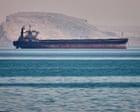
When the tanker Voyager—the ship currently in the news—departed from Sakhalin, it wasn't a sign of Japan’s political shift. It was a sign of Japanese pragmatism.
Consider the alternative. If Japan refused this oil, what happens? They would have to scramble for expensive, scarce cargoes from further away, driving up inflation for their consumers and putting their manufacturers at a competitive disadvantage. They would be essentially punishing their own citizens to maintain the appearance of a clean break with Russia—a break that was never fully physically possible to begin with.
This move is a calculated hedge. It is an acknowledgment that the world has shifted. The era of "just-in-time" global supply chains is dying. We are entering an era where energy autarky or regionalized supply clusters are the only way to avoid paralysis.
Why this is not a return to normalcy
Don't mistake this for a total return to the old status quo. Japan is not ramping up to become a major customer for Russian crude again. This is a stop-gap. It is a "spot measure."
The goal is still diversification. You can see it in the data. Japan is aggressively trying to secure U.S. crude, even when shipping it across the Pacific is more expensive than hauling it from Russia. They are paying the premium for American oil because it is safer politically, even if the logistics are a nightmare.
The shipment from Sakhalin is an emergency pressure valve. If the situation in the Middle East stabilizes, you can bet that these imports will drop back toward zero. But until those lanes open up, Japan will keep buying whatever it needs to keep the country running.
The cost of moral posturing
There is a lesson here for everyone watching the energy sector. We live in a world where governments will gladly sign treaties condemning an adversary in the morning and quietly sign purchase orders for that same adversary's resources by the evening.
The mistake most observers make is assuming this is hypocrisy. It isn't hypocrisy; it is the fundamental duty of a state. A government's first obligation is to provide the basics for its population. If that means swallowing hard and buying oil from a sanctioned neighbor to prevent a winter power outage, they will do it every single time.
If you are following the energy markets, stop looking at the press releases and start looking at the logistics. The real story isn't about Tokyo’s political loyalty. It is about how close we are to a global energy breakdown. When a G7 nation feels forced to tap into a Russian supply line to keep its refineries running, it means the global energy system is not just strained—it is fractured.
How to track this going forward
If you want to understand where this is heading, watch three indicators. Do not watch the news cycles, as they will only give you the sensationalist take. Watch the ship-tracking data. Look for tankers moving from the Russian Far East to Japan. If those numbers stay low and intermittent, this remains an emergency measure. If they start to tick up consistently, it means Japan has given up on its diversification strategy and is pivoting back to regional energy dependency.
Second, keep an eye on the U.S. stance. Washington is currently tolerating this because they know that an economic collapse in Japan is not in their interest. If the U.S. stops granting these exemptions or starts pressuring Japanese refiners, that is when you will know the diplomatic heat is rising.
Finally, look at the energy prices in the Japanese domestic market. If the government starts trying to subsidize fuel costs, they are signaling that they are desperate to avoid passing on the cost of these energy supply shocks to the public.
Energy security is a brutal game. It requires making choices that nobody likes, in a theater where there are no perfect outcomes. Japan is playing this game with the cards they were dealt. You don't have to agree with the politics, but you have to respect the survival instinct.